Japanese Plum Harvesting
Every June, the quiet hills surrounding Wakasa in Fukui Prefecture come alive with the annual ume harvest. Beneath the early summer sun, generations of farmers gather fruit from orchards that have shaped both the landscape and the identity of the region for centuries.
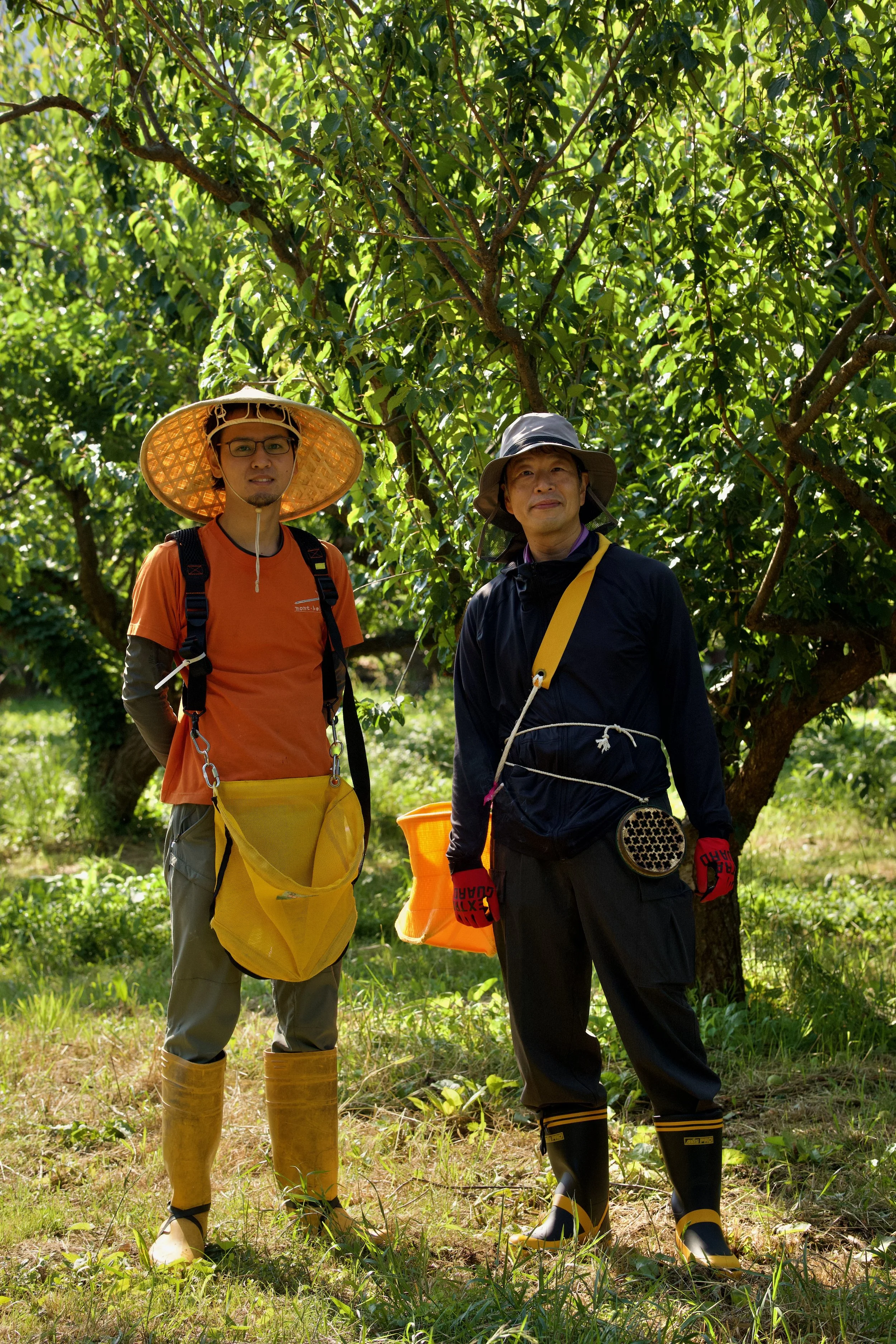
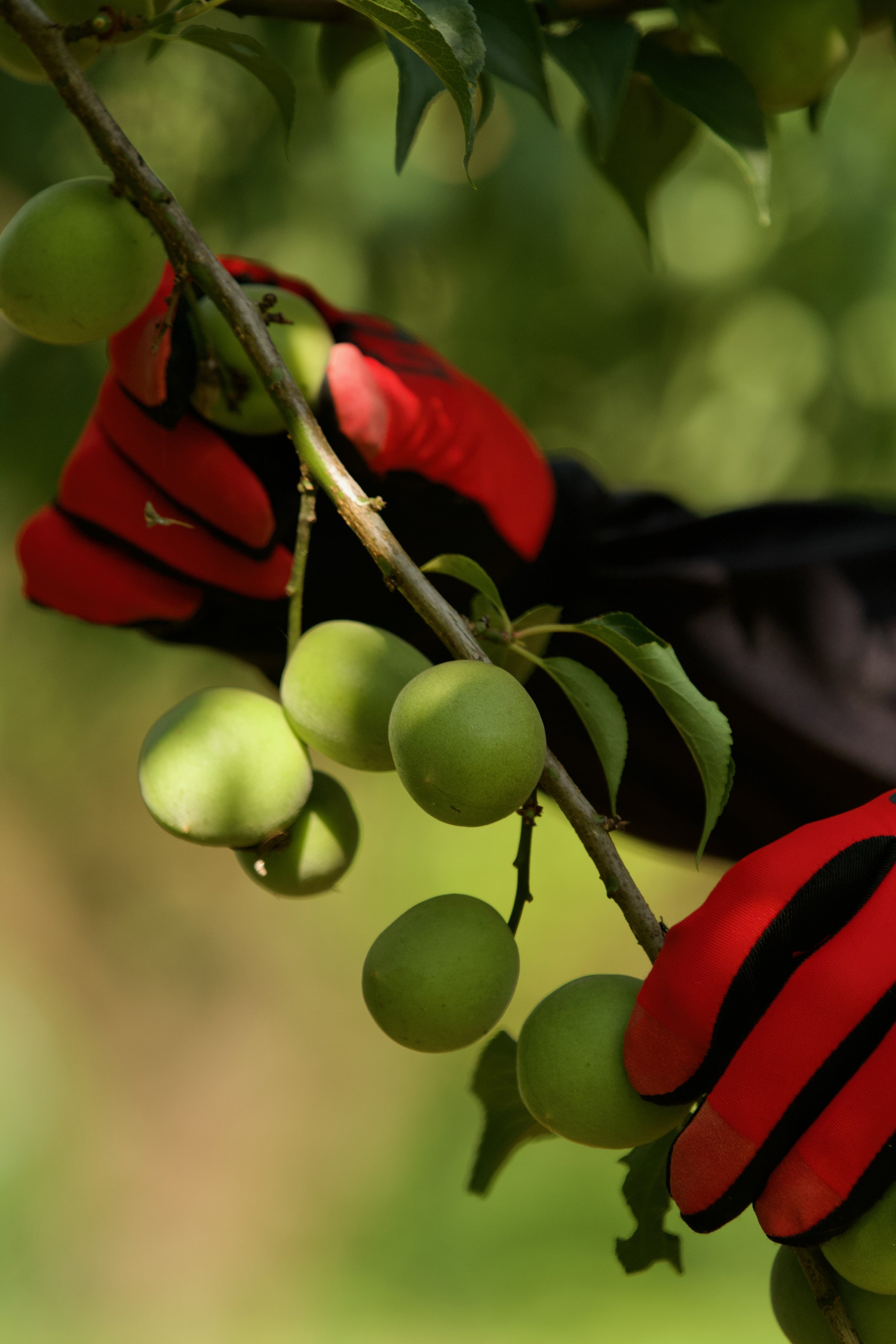
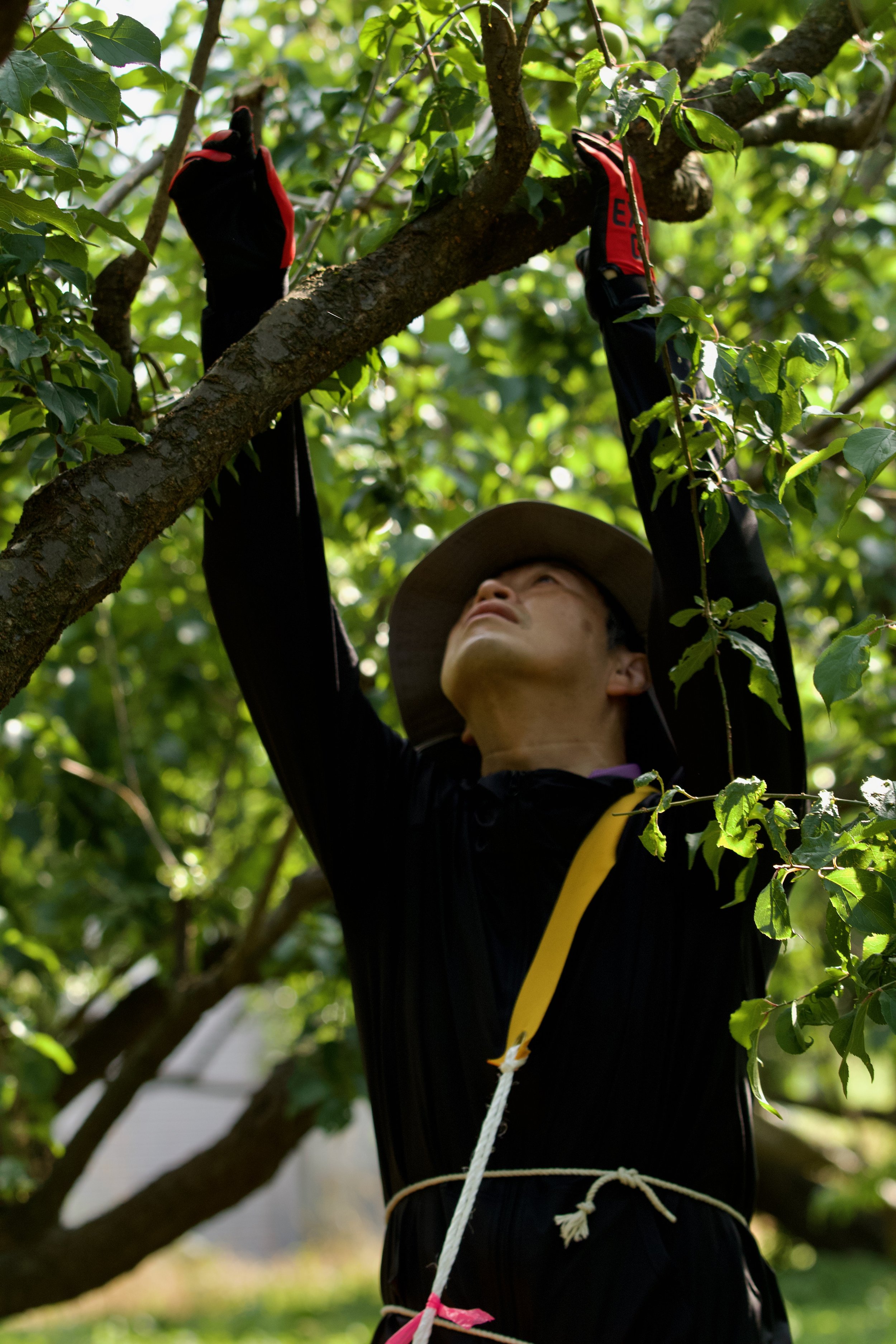
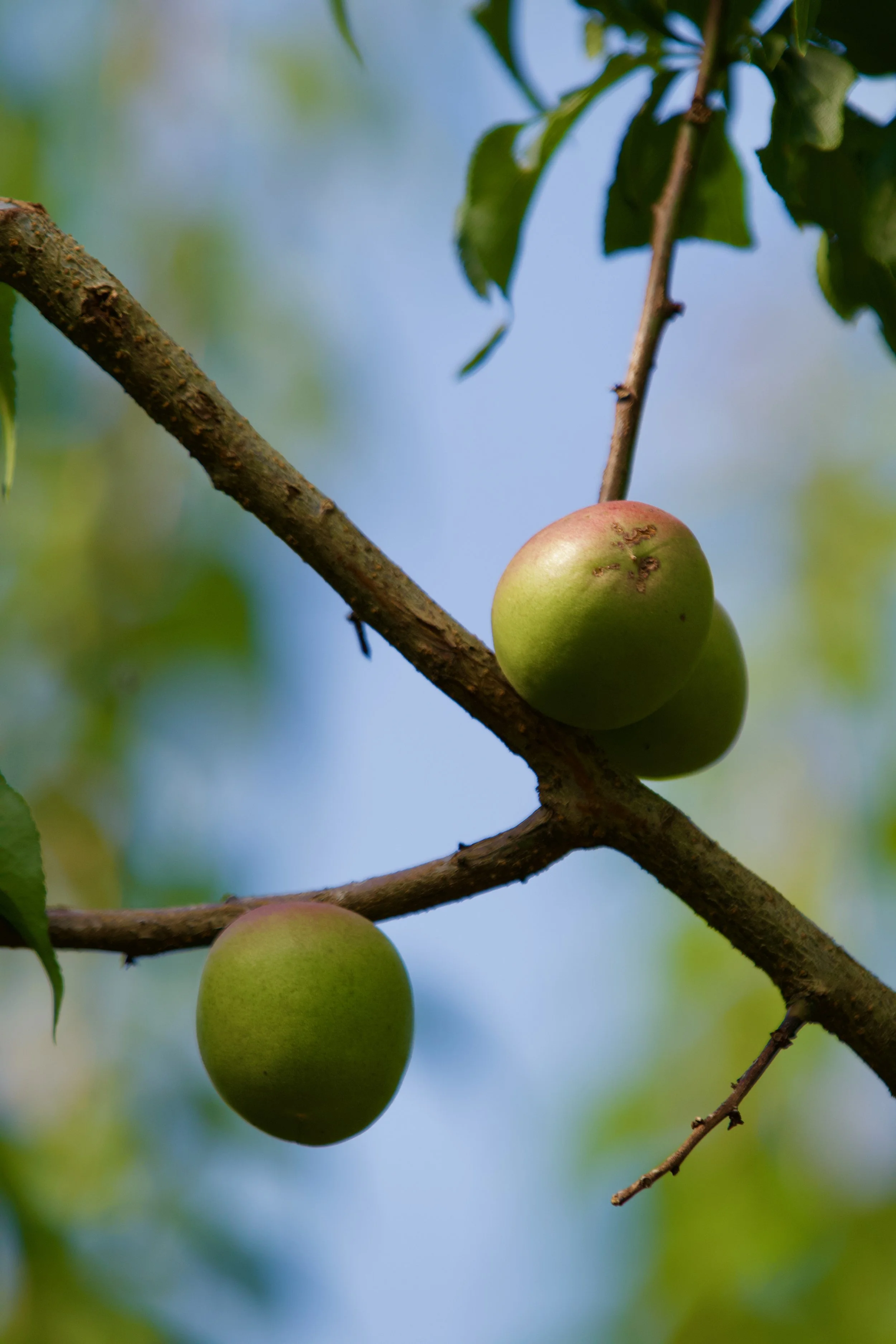
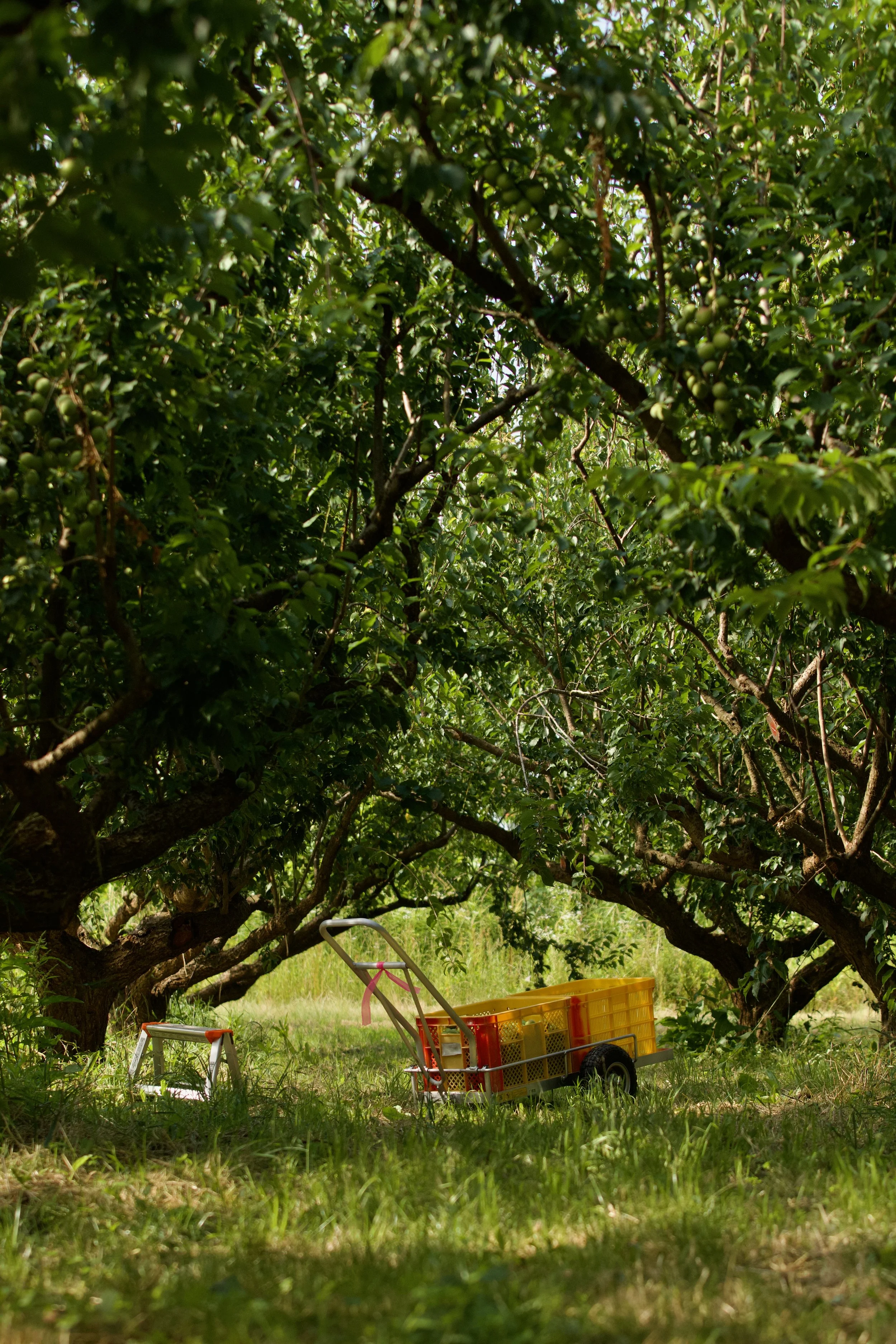
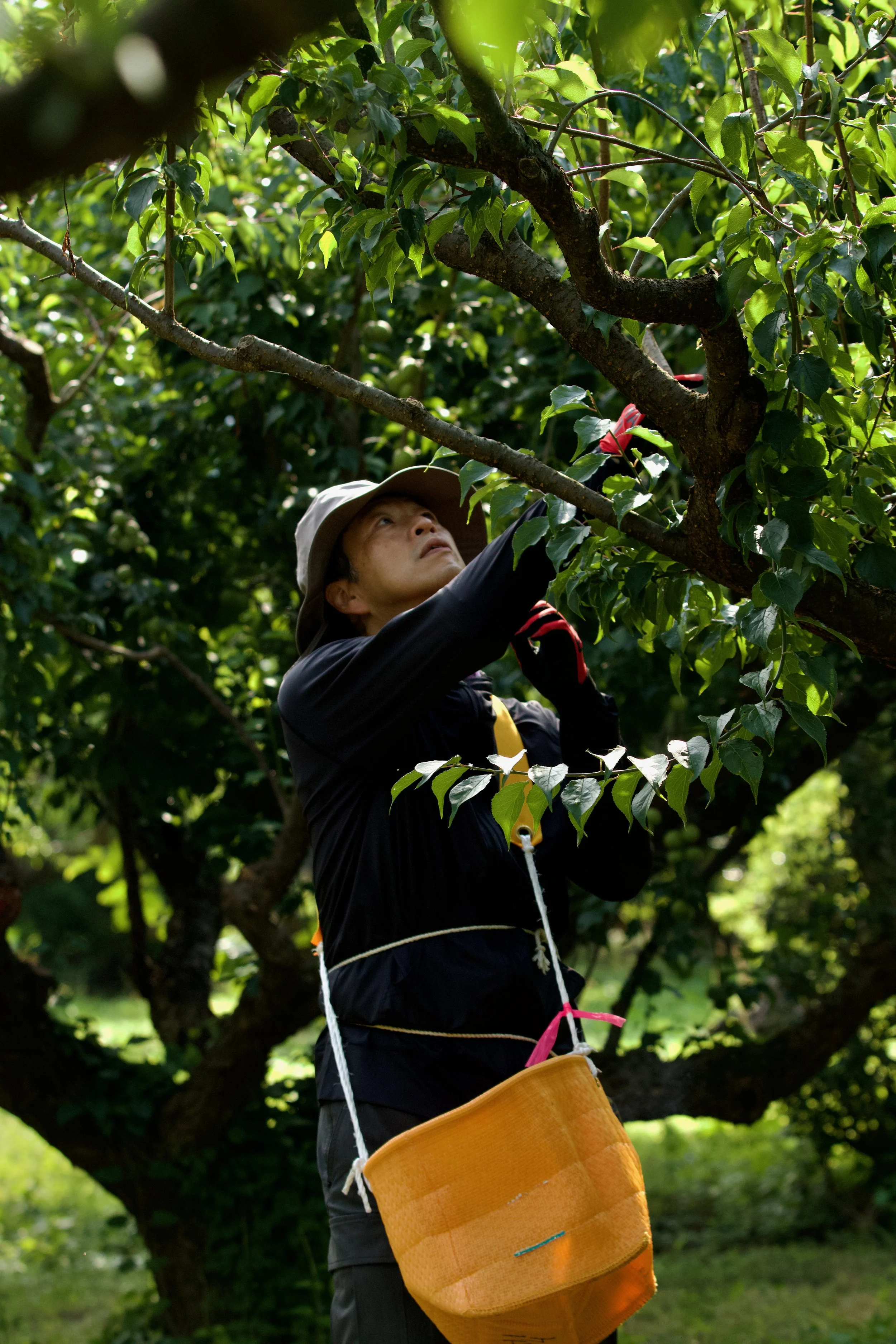
Wakasa is the birthplace of Fukui Ume (福井梅), one of Japan's most distinctive regional plum varieties. Nestled between the Mikata Five Lakes and the Sea of Japan, the region possesses a rare combination of mild winters, abundant rainfall, and fertile soils that have long provided ideal conditions for cultivation. Yet the significance of Fukui Ume extends beyond geography alone.
For nearly two hundred years, families in Wakasa have tended these orchards, passing down knowledge, techniques, and traditions from one generation to the next. The trees themselves seem to embody a quiet continuity, standing as living witnesses to the passage of time. Long before modern roads, smartphones, or even electricity reached the area, people were harvesting ume from these same hillsides.
Perhaps that is what strikes me most about the harvest. It is not merely the gathering of fruit, but the continuation of a relationship—between people and place, past and present. Each basket of ume represents countless acts of care: winters endured, branches pruned, blossoms protected, seasons patiently observed.
In a world increasingly defined by speed and constant change, the Fukui Ume harvest offers a different perspective. It reminds us that some of the most meaningful things in life cannot be rushed. They are cultivated slowly, over years and generations.
And so, every June, the harvest becomes more than an agricultural tradition. It becomes a quiet affirmation that what is nurtured with patience, dedication, and care can continue to bear fruit long after those who first planted the seeds are gone.