Discover hidden adventures around Japan
-
We're a team of passionate thinkers and doers, dedicated to building with purpose and clarity. Collaboration and curiosity drive everything we do.
-
We believe in keeping things simple, smart, and human. Every project starts with listening and ends with something we're proud to share.
-
From startups to seasoned brands, we partner with people who care about doing things right—and doing them well.
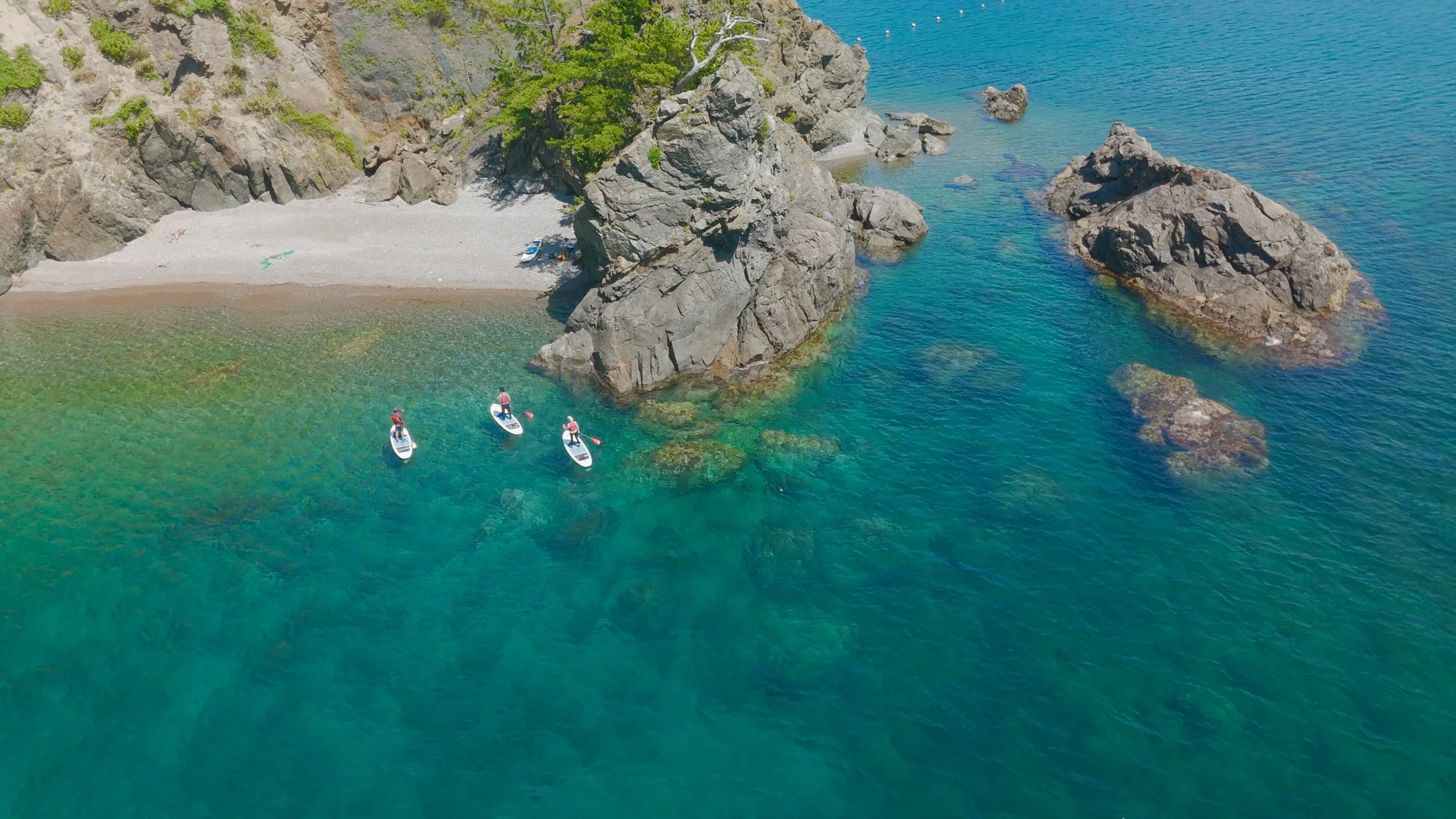
A Whole New Ancient World
I am a big fan of coastal erosion.
I must say, I’m quite the fan of coastal erosion. Probably not something you’ll hear people saying very often.
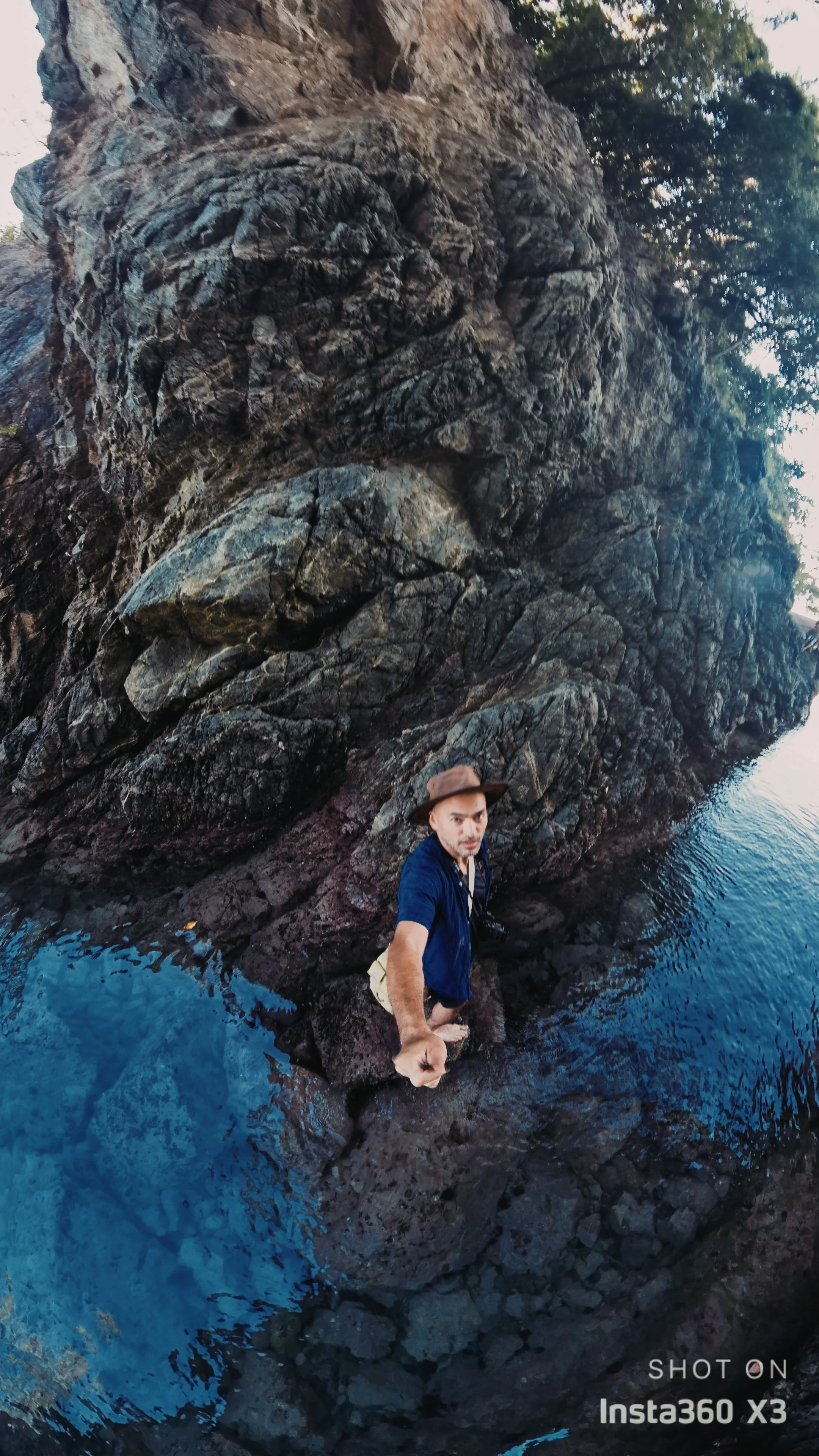
Standing inside Meikyōdō Cave in Takahama, Fukui.
Unlike the history of a temple or shrine, which can be measured in centuries, coastal geological formations are shaped over immense spans of time.
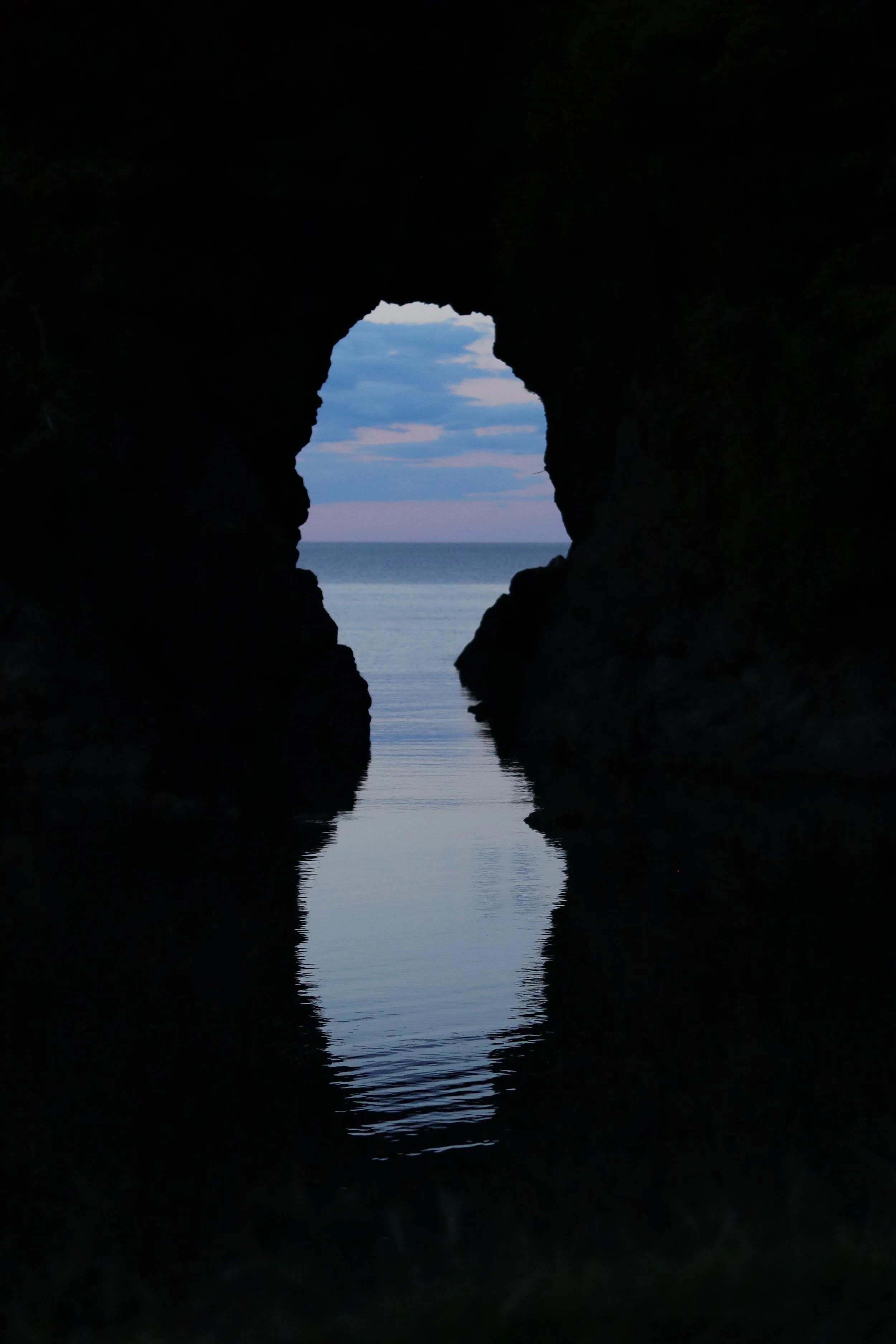
A window with an ocean view - Meikyōdō Cave. Thousands of years of coastal erosion have given rise to a majestic natural arch.
Paddling into a cave on a sea kayak and exploring an ancient coastline reminds me that the world is vastly older, slower and larger than the small slice of it we experience in our daily lives — a perspective easily lost when we become absorbed in the immediacy of mundane everyday concerns.
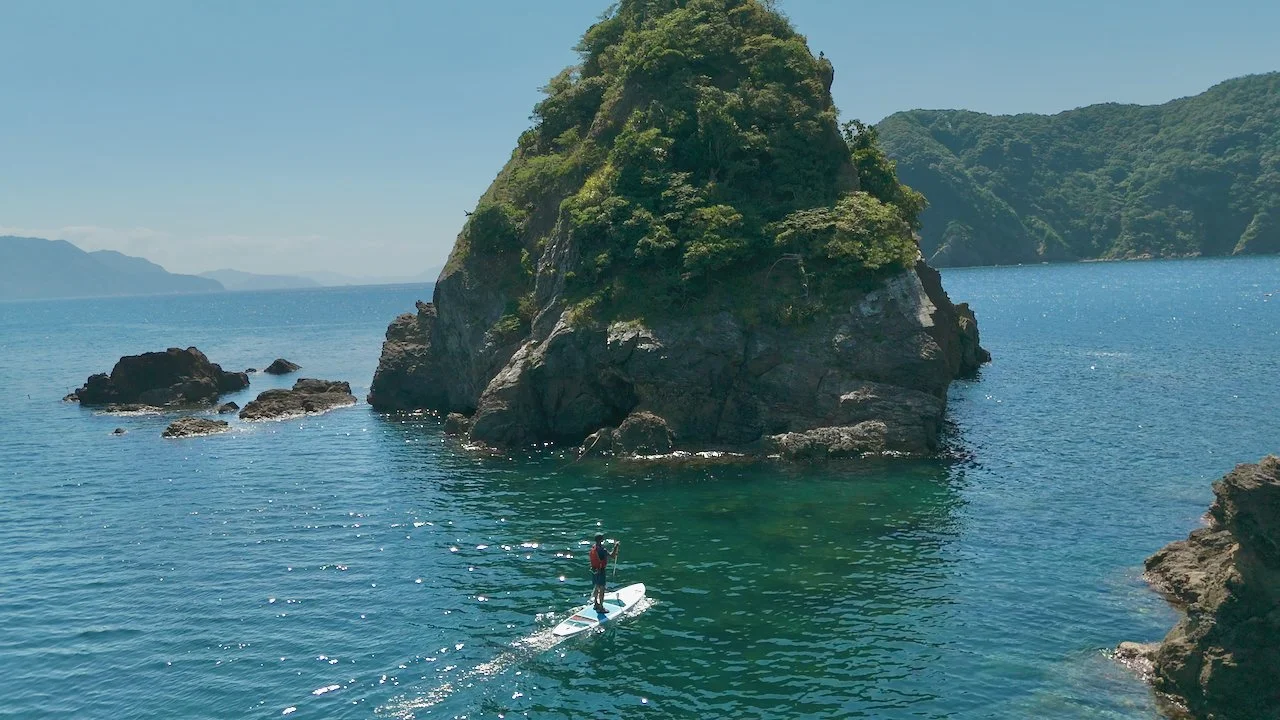
Paddleboard experience around the Tsunekami Pennisula, Wakasa, Fukui
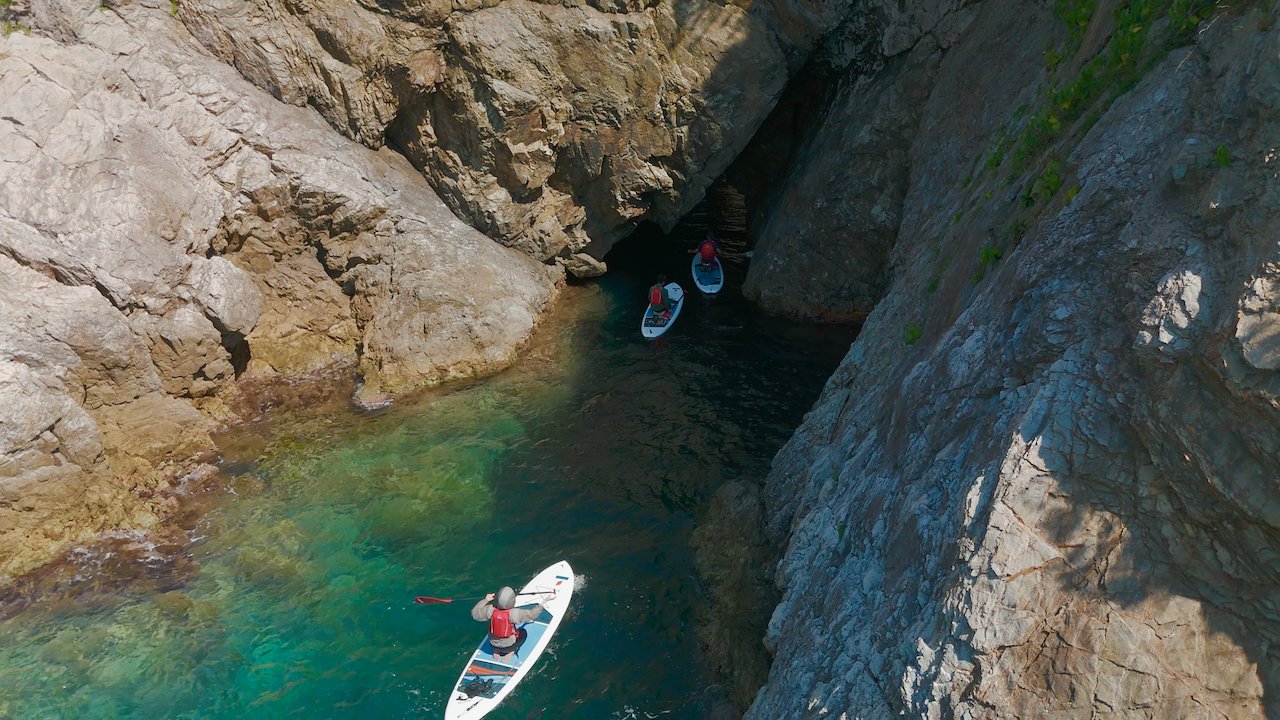
Entering the majestic Blue Cave
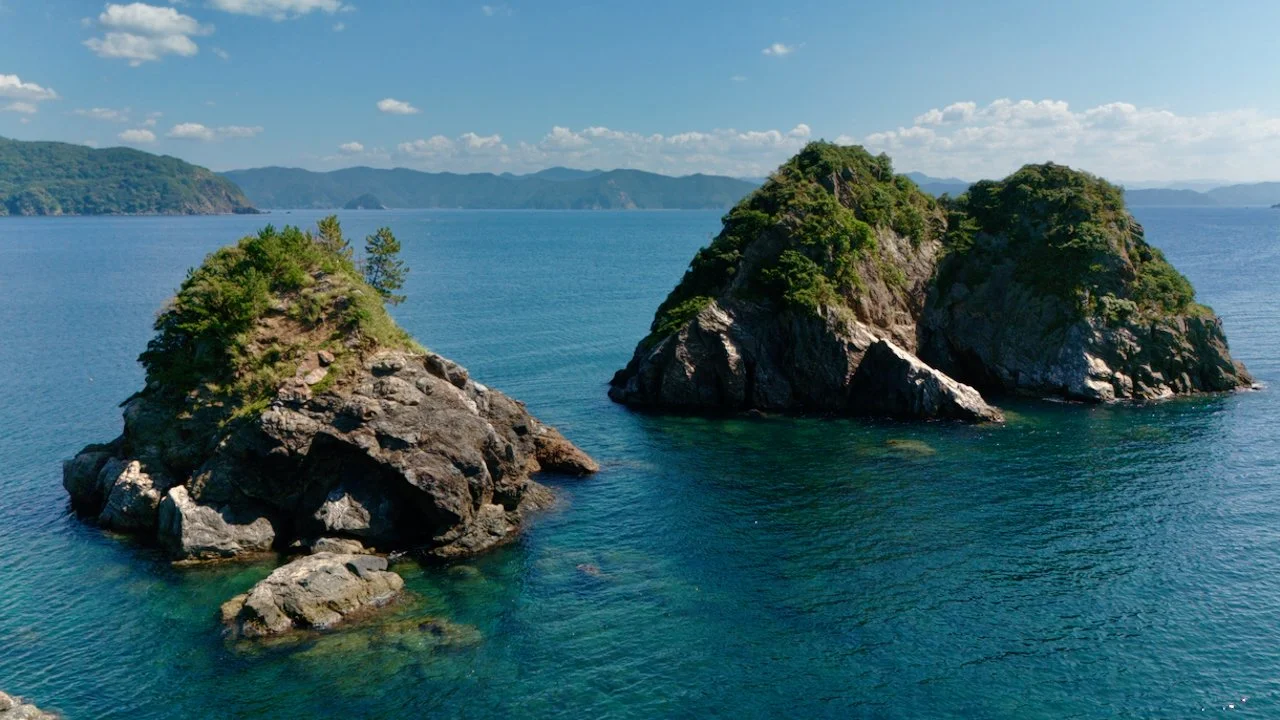
Few places make this feeling more tangible than the Fukui coastline. Around Wakasa Bay, where I live, mountains and valleys have been partly submerged by rising sea levels, creating what geologists call a ria coast.
The result is a deeply indented shoreline of peninsulas, bays, islands and narrow inlets. Exploring them, you are essentially travelling through an ancient landscape that has been partially drowned by the sea.
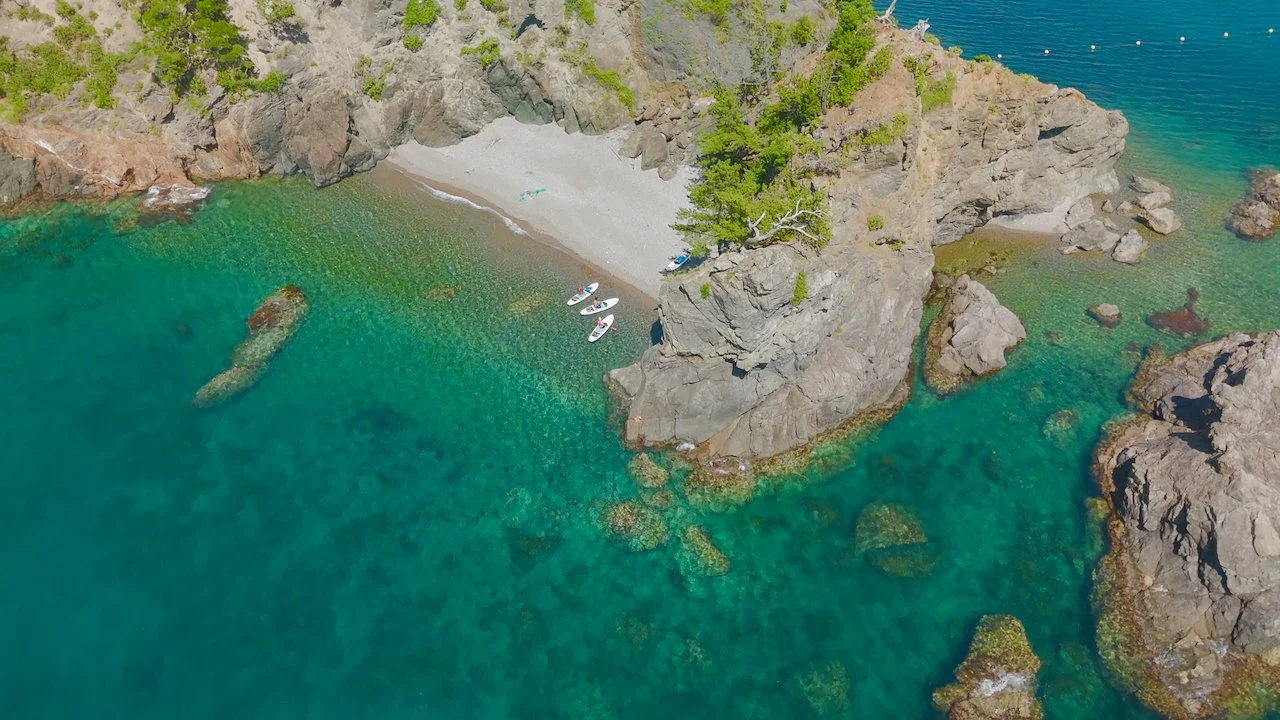
Stopping off at a secluded beach for snorkeling
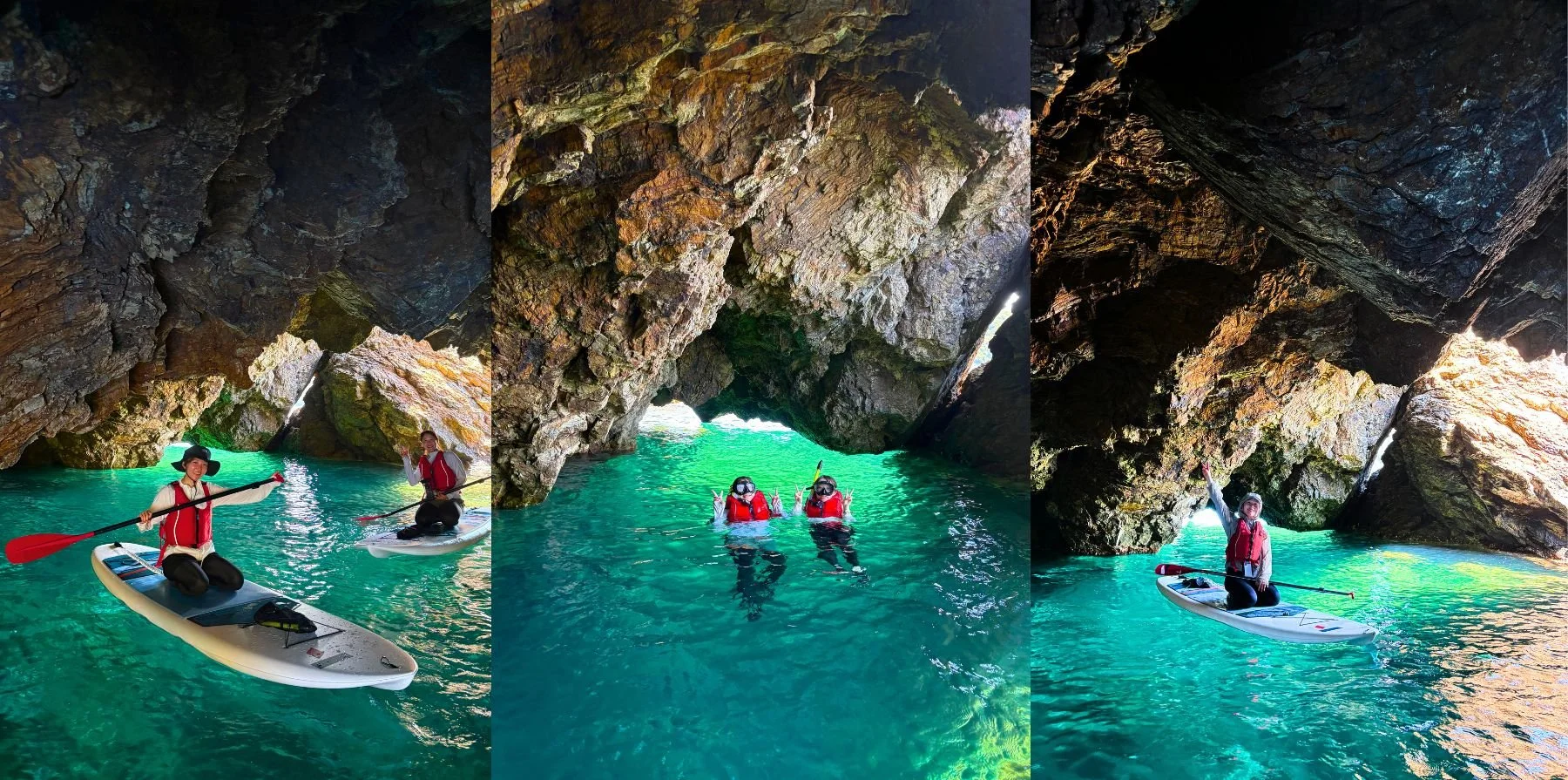
Inside the Blue Cave
For those looking to step beyond Japan’s more familiar itineraries, and experience something similar, I recommend reaching out to PLUS WILD, a company I’ve had the pleasure of collaborating with that offers a wide range of outdoor experiences across Fukui.
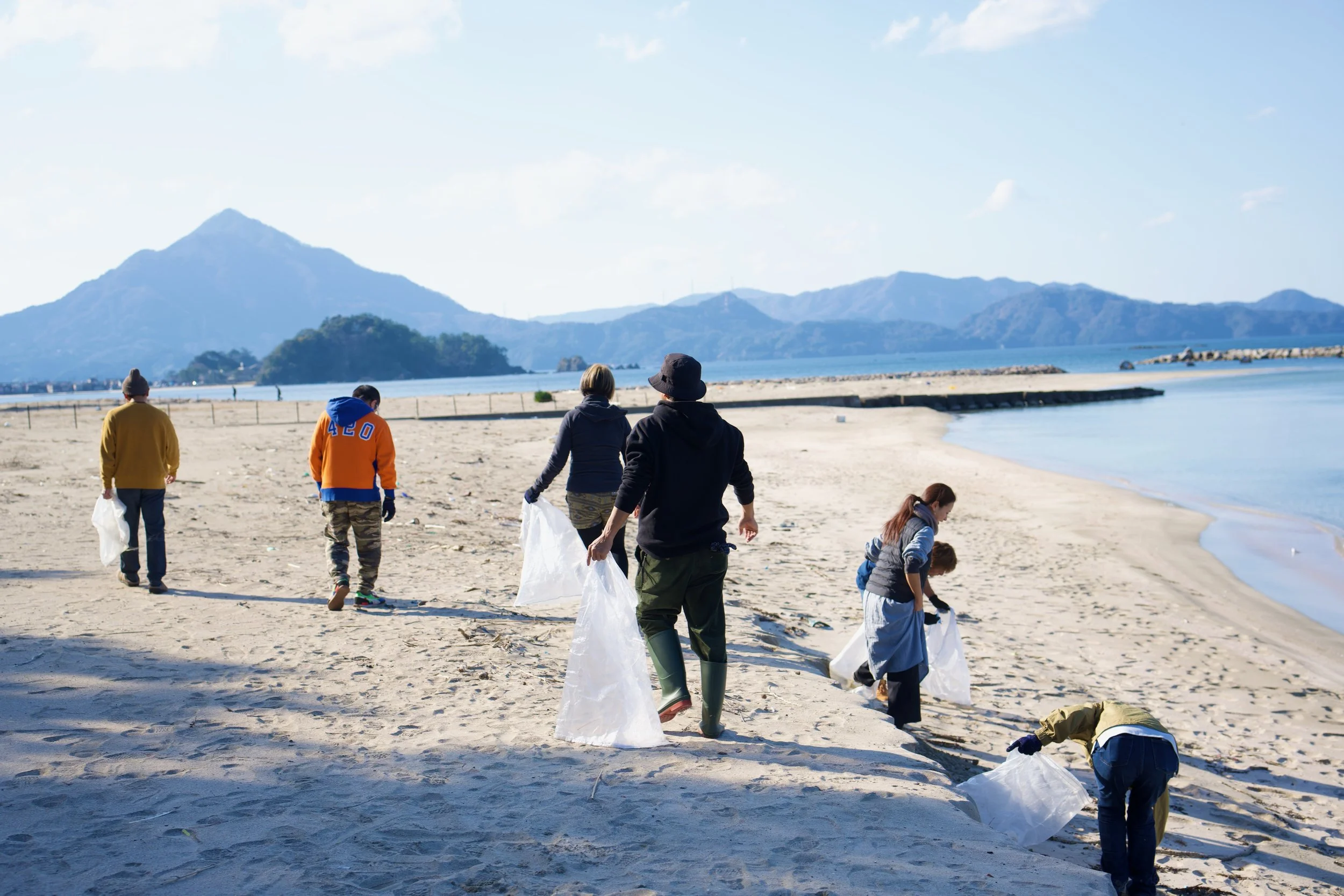
Takahama’s Monthly Beach Clean
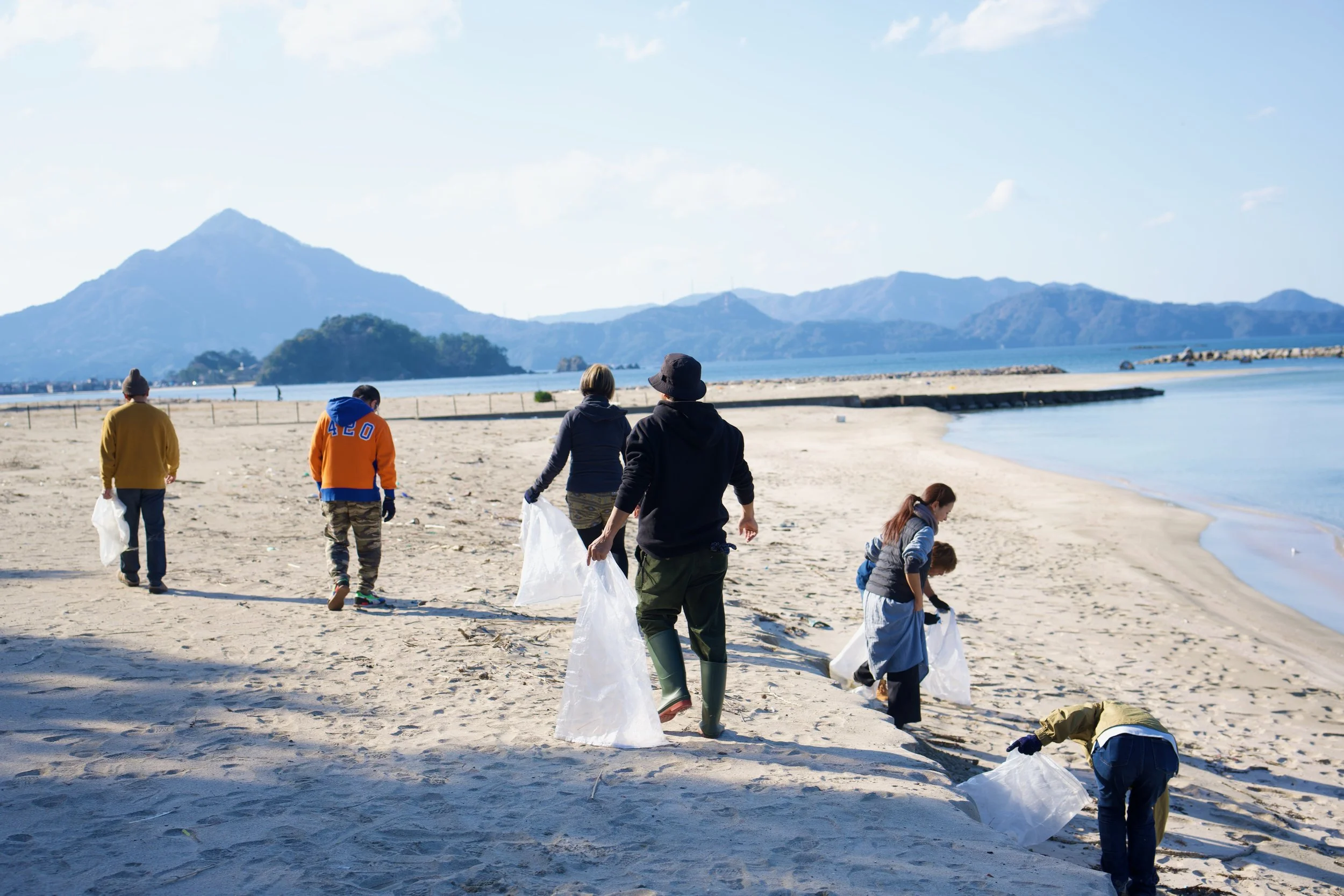
Collecting ocean debris at the monthly beach clean up, Takahama, Fukui
Along the shores of Wakasa Wada Beach, the rhythm of daily life is deeply connected to the sea. Known for its crystal-clear water and relaxed coastal atmosphere, Wakasa Wada Beach was the first beach in Asia to receive the international Blue Flag certification — a globally recognized eco-label awarded to beaches that meet strict standards for water quality, environmental management, safety, and accessibility.
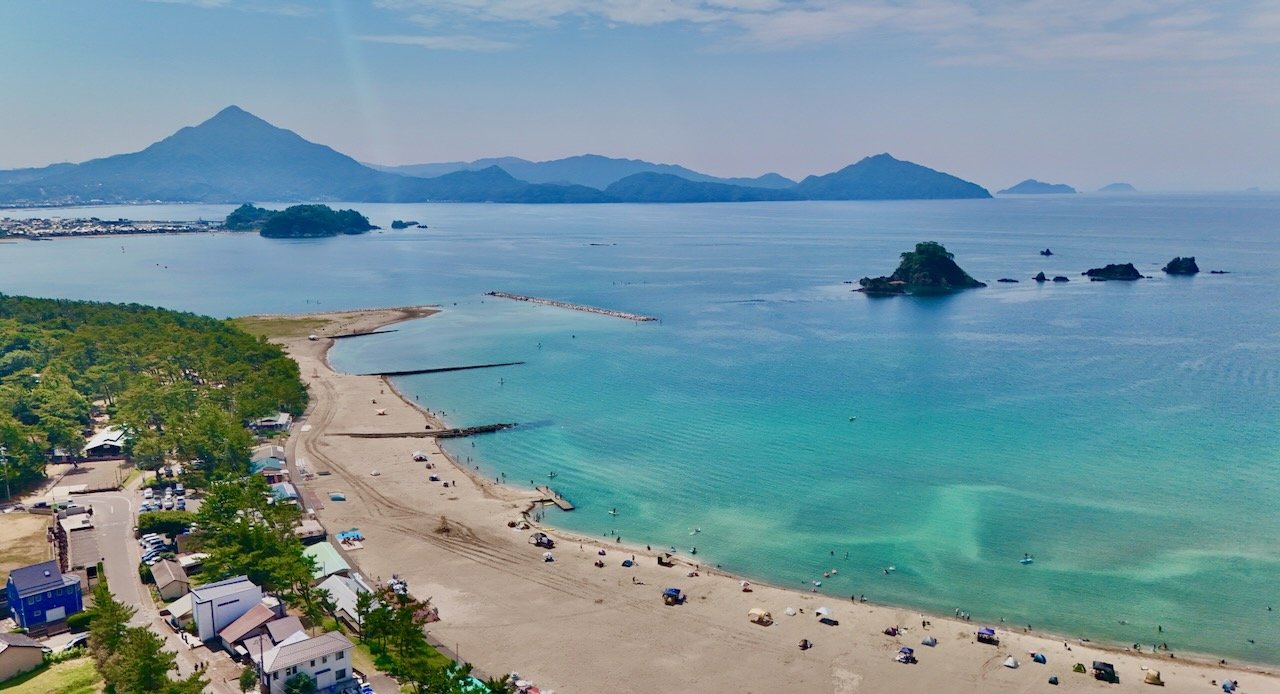
The beautiful turquoise waters of Wada Beach, Takahama
The certification reflects not only the beauty of the coastline itself, but also the strong environmental awareness and community involvement that help protect it throughout the year. To help preserve its natural beauty and maintain the clean, safe environment that the Blue Flag represents, the beach becomes something more than just a scenic destination on the fourth Sunday of every month.
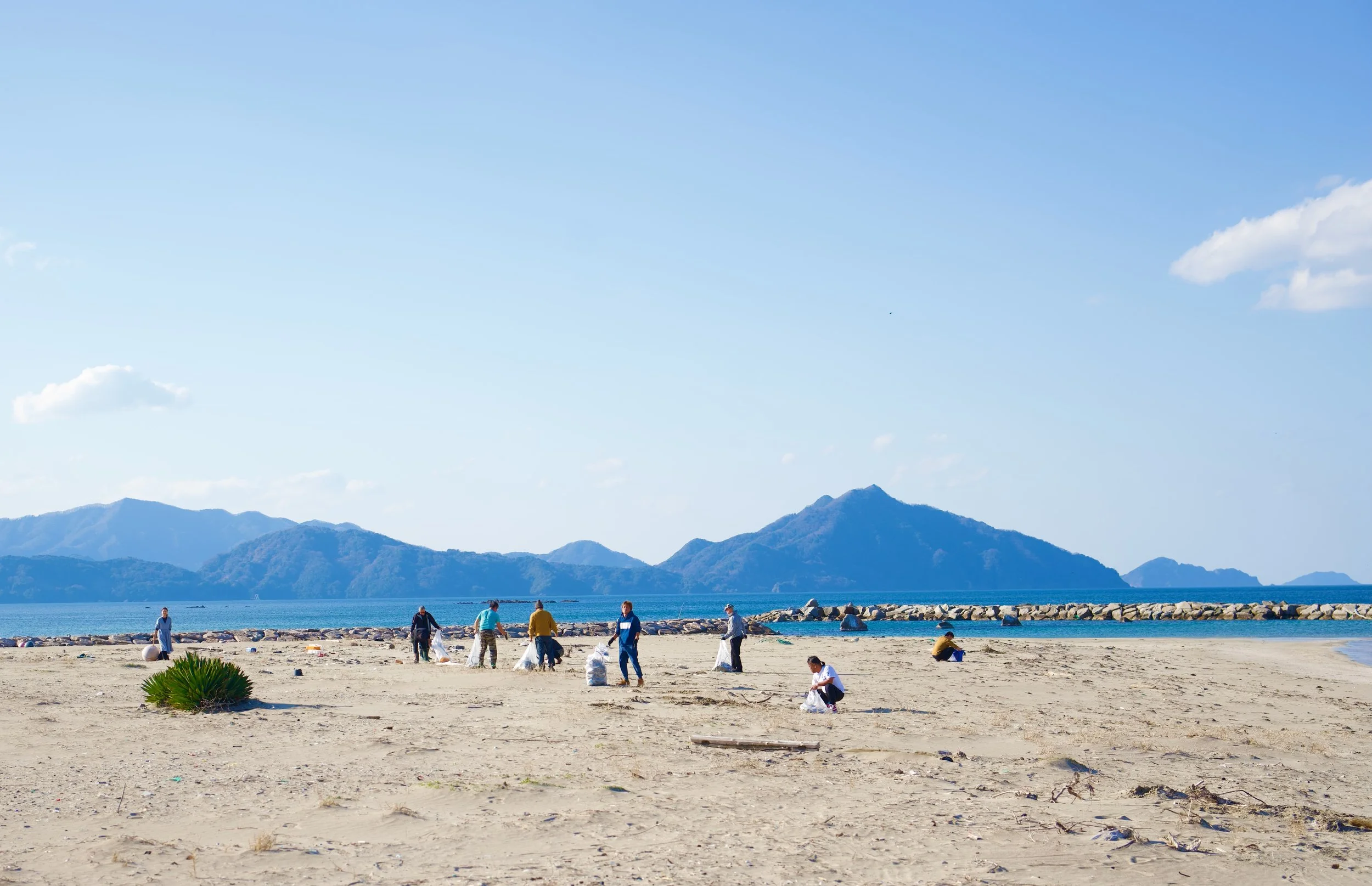
A large turnout of volunteers
Participation in the beach clean is free and open to anyone. There is no formal application process for most monthly cleanups — participants can simply gather at the Wakasa Wada Campsite reception area shortly before 3:00 p.m. on the fourth Sunday of the month. Gloves and garbage bags are usually provided, making it easy for both locals and visitors to join casually.
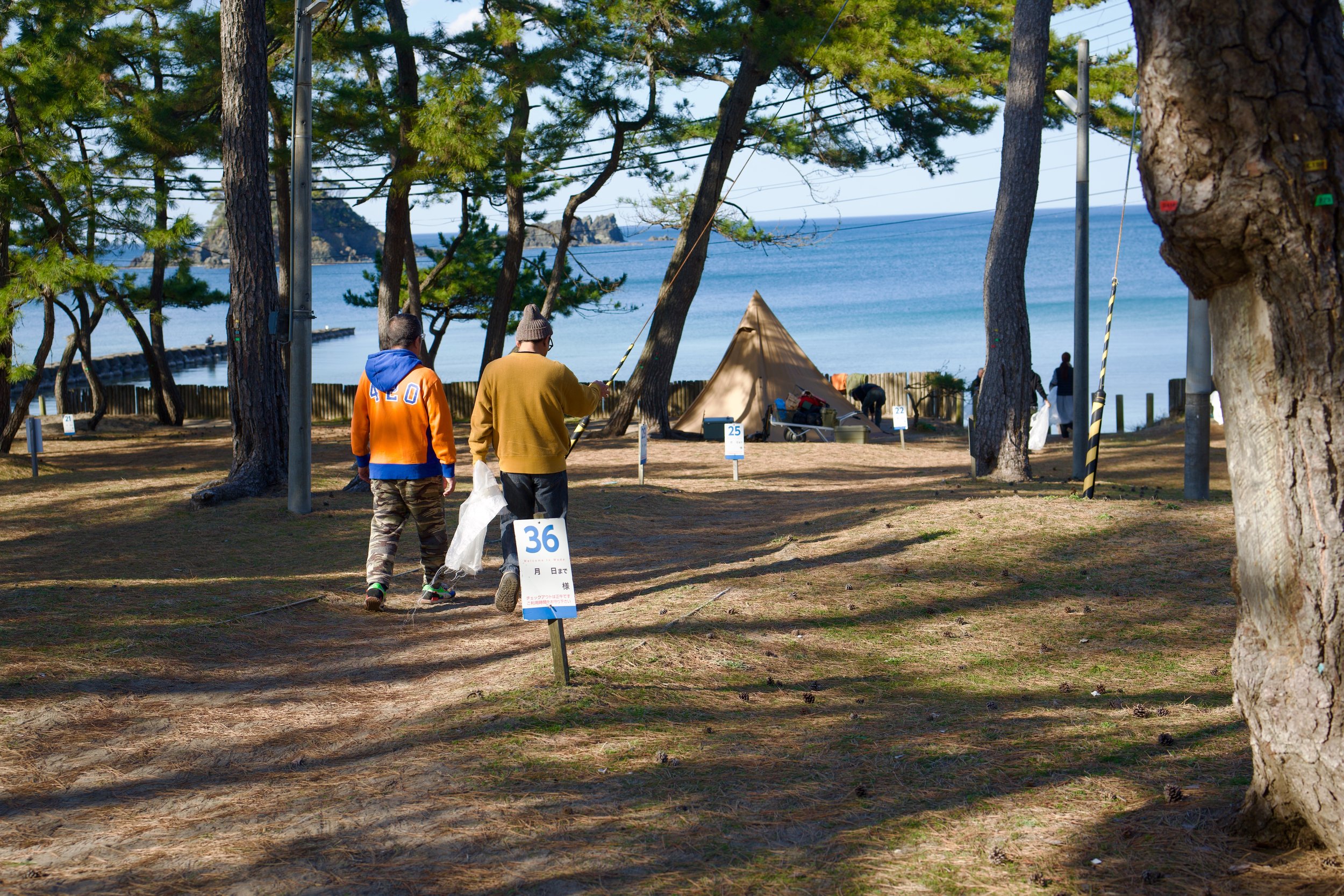
Starting at the Wada Camp Ground
Residents, volunteers, and sometimes visitors gather together for a community beach clean — a simple but meaningful event that reflects Takahama’s close relationship with the sea and the natural environment.
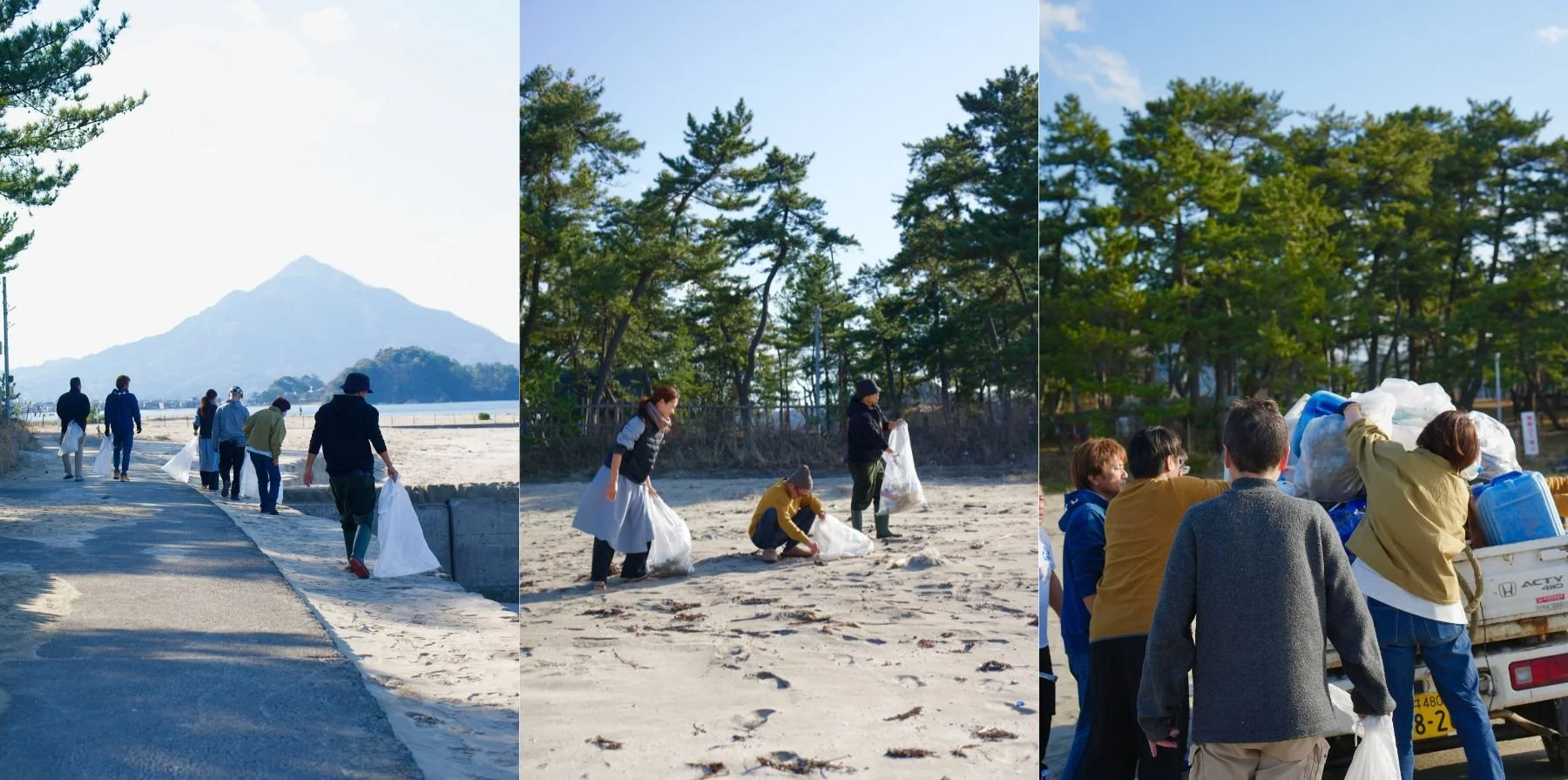
Beginning at 3:00 p.m. just outside the Wakasa Wada Campsite reception area, participants receive gloves and garbage bags and then here is a brief information about what parts of the beach will be cleaned.
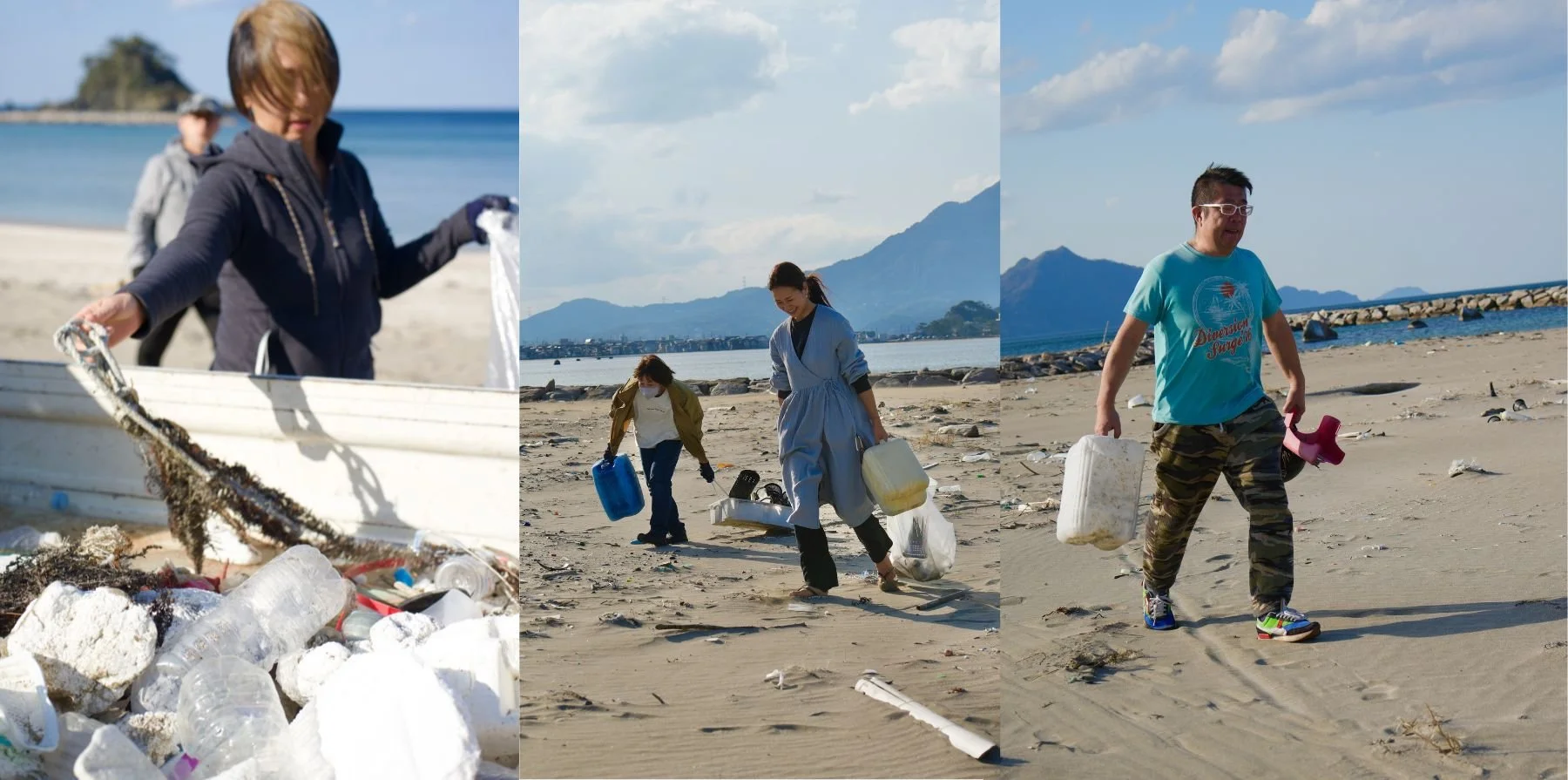
The atmosphere is relaxed and welcoming, even for first-time participants. After a short briefing at the campsite reception area, organizers explain which sections of the beach will be the main focus for the day, along with the types and amount of debris recently washing ashore — whether that means an increase in microplastics, PET bottles, fishing waste, or driftwood. Participants are then free to walk the shoreline and collect debris at their own pace, creating a calm and informal atmosphere that feels more like a shared community activity than an organized campaign.
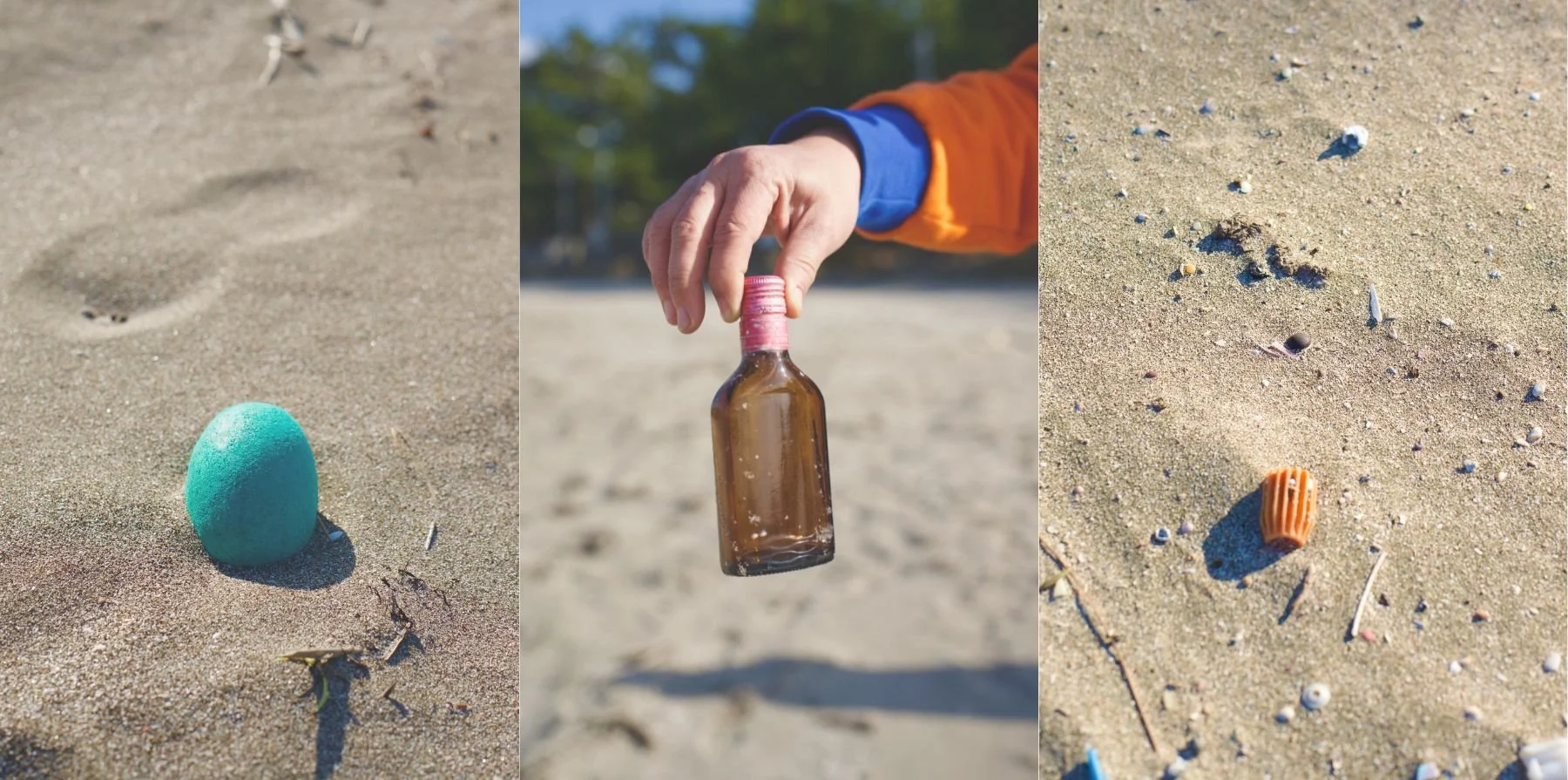
Examples of the types of ocean debris you will encounter
It is important to note that many visitors to Takahama assume the debris washing ashore comes mainly from local businesses or tourists visiting the area. In reality, much of the ocean debris arrives via ocean currents from across Japan and even overseas. While participating in the cleanup, it is not uncommon to find product labels and packaging written in a variety of languages, offering a visible reminder of how connected the Sea of Japan is to the wider region and how marine pollution is a shared international issue.
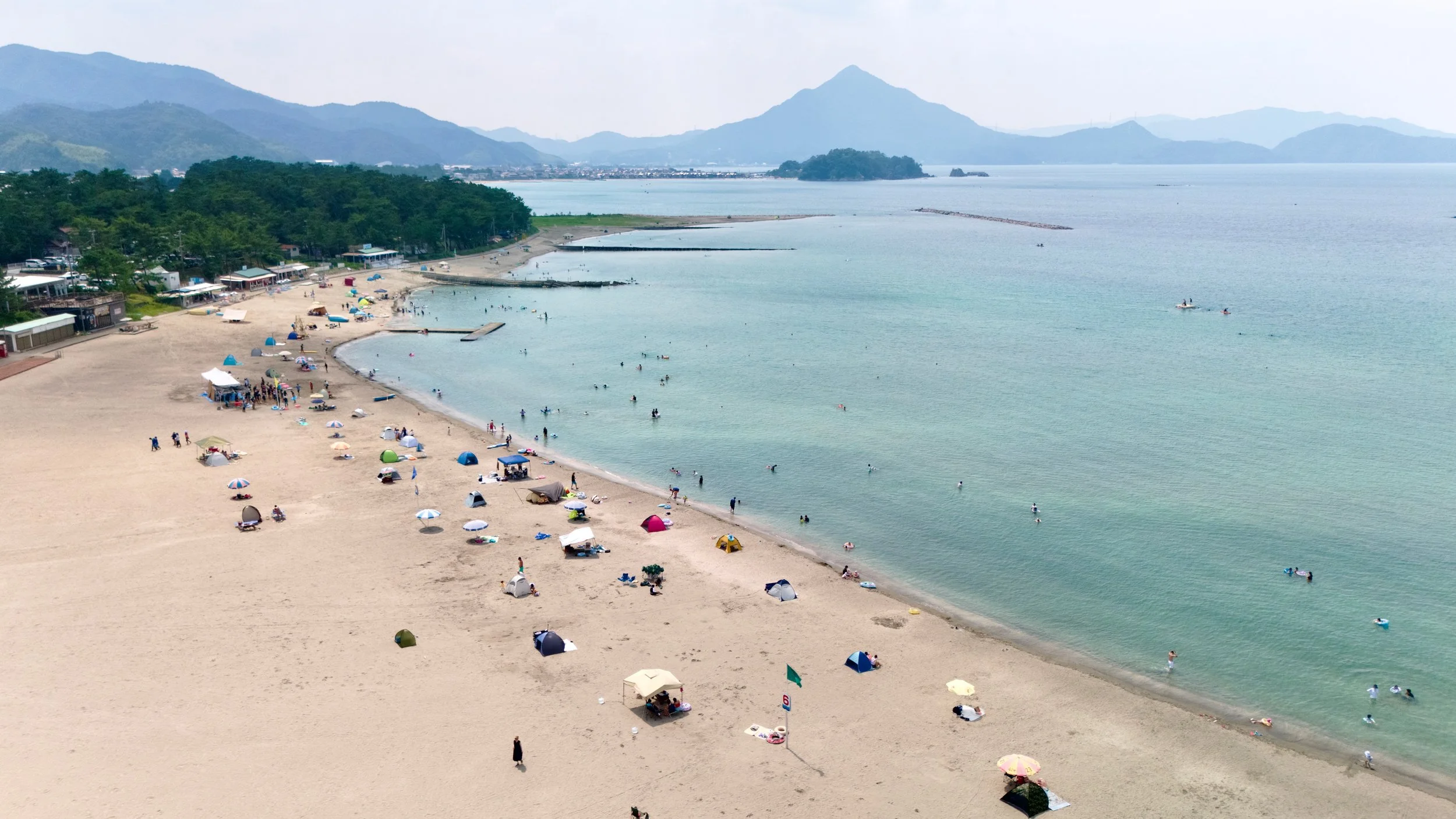
Participating in a beach clean-up offers visitors a unique opportunity to experience rural Japan on a deeper level. Rather than simply sightseeing, participants become part of the local effort to preserve the area's natural beauty, sharing in a quiet tradition of caring for the coastline alongside local residents. Through this experience, visitors discover a side of Takahama that many travelers never see. It is a place defined not only by its beautiful scenery, but also by a deep respect for nature and a strong community commitment to protecting the sea for future generations.
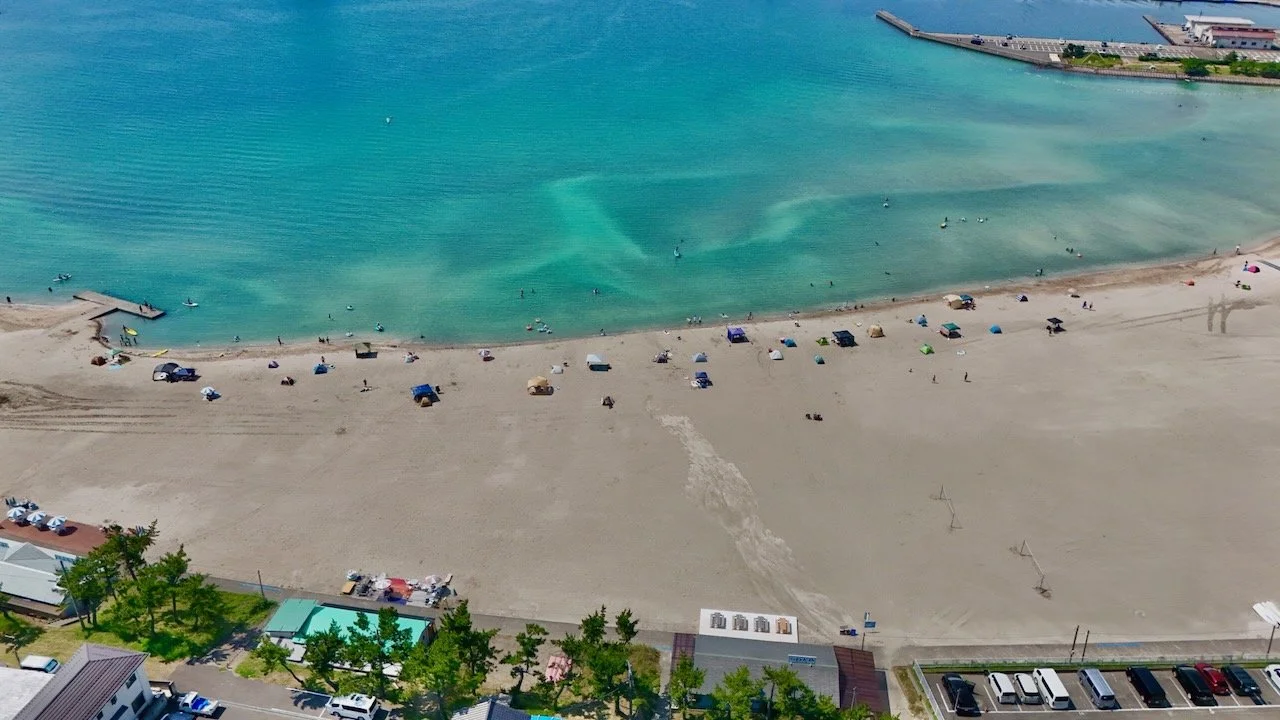
Beach Season and the beauty of the ocean
The official swimming season at Wakasa Wada Beach is typically from mid-July to late August. In 2025, the swimming season is scheduled to run from July 12 to August 24.
During this period, lifeguards and first-aid staff are on duty, beach houses and other seasonal facilities are open, and sea conditions are monitored to help ensure visitors can enjoy the beach safely.
Please note that the opening and closing dates of the swimming season may vary slightly each year depending on weather and sea conditions. For the latest information regarding the swimming season and available facilities, please contact the Wakasa Takahama Tourism Association using the details below.
Wakasa Wada Campground
104 Wada, Takahama Town, Oi District, Fukui Prefecture 919-2201
TEL: 0770-62-1777
Opening Hours: 8:00 AM – 5:00 PM
Wakasa Takahama Tourism Association
77-1-8 Miyazaki, Takahama Town, Oi District, Fukui Prefecture 919-2225
(Inside JR Wakasa Takahama Station)
TEL: 0770-72-0338
FAX: 0770-72-0774
Opening Hours: 8:30 AM – 5:15 PM
Website: Wakasa Takahama Tourism Association
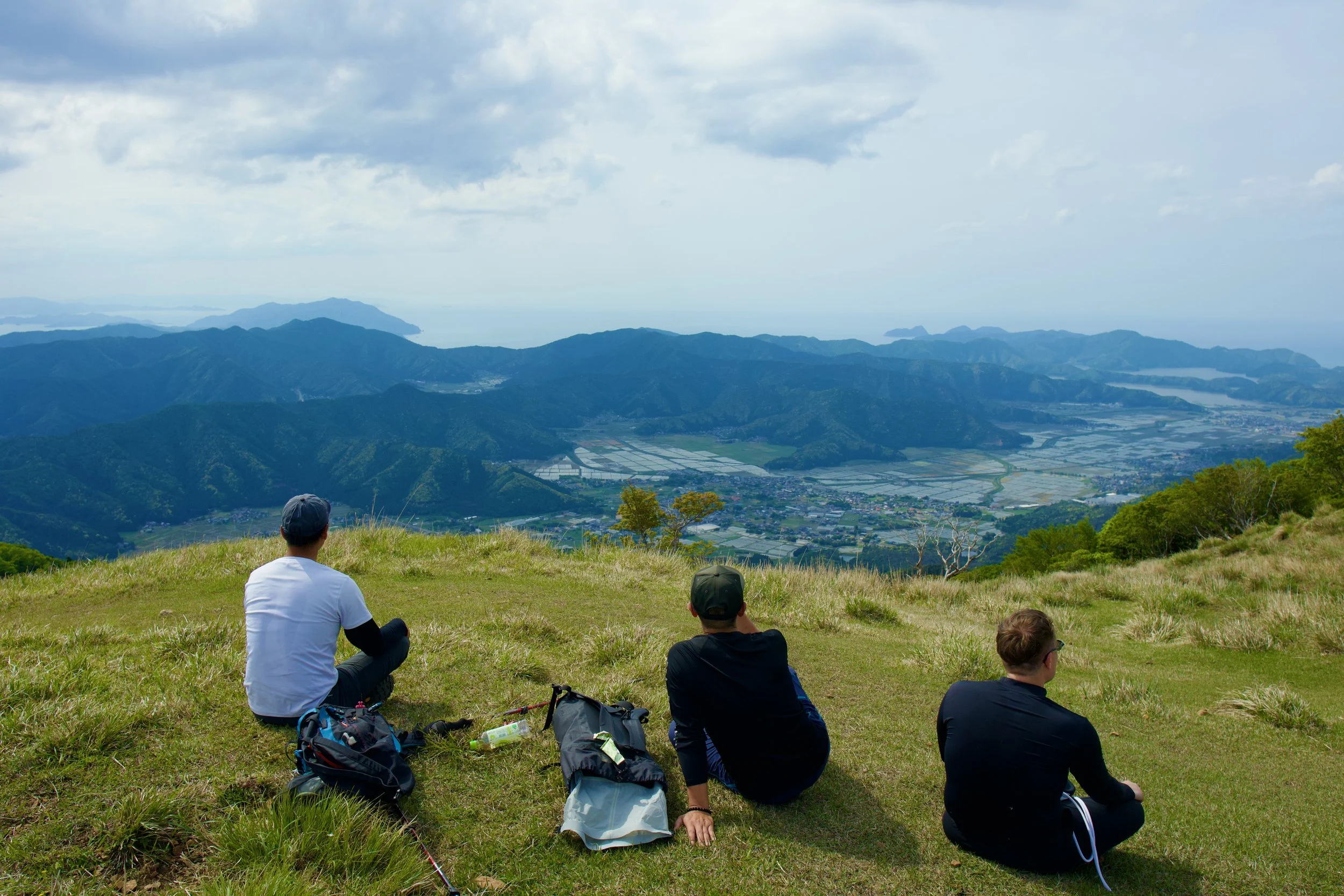
Walking Mount Sanjusangen
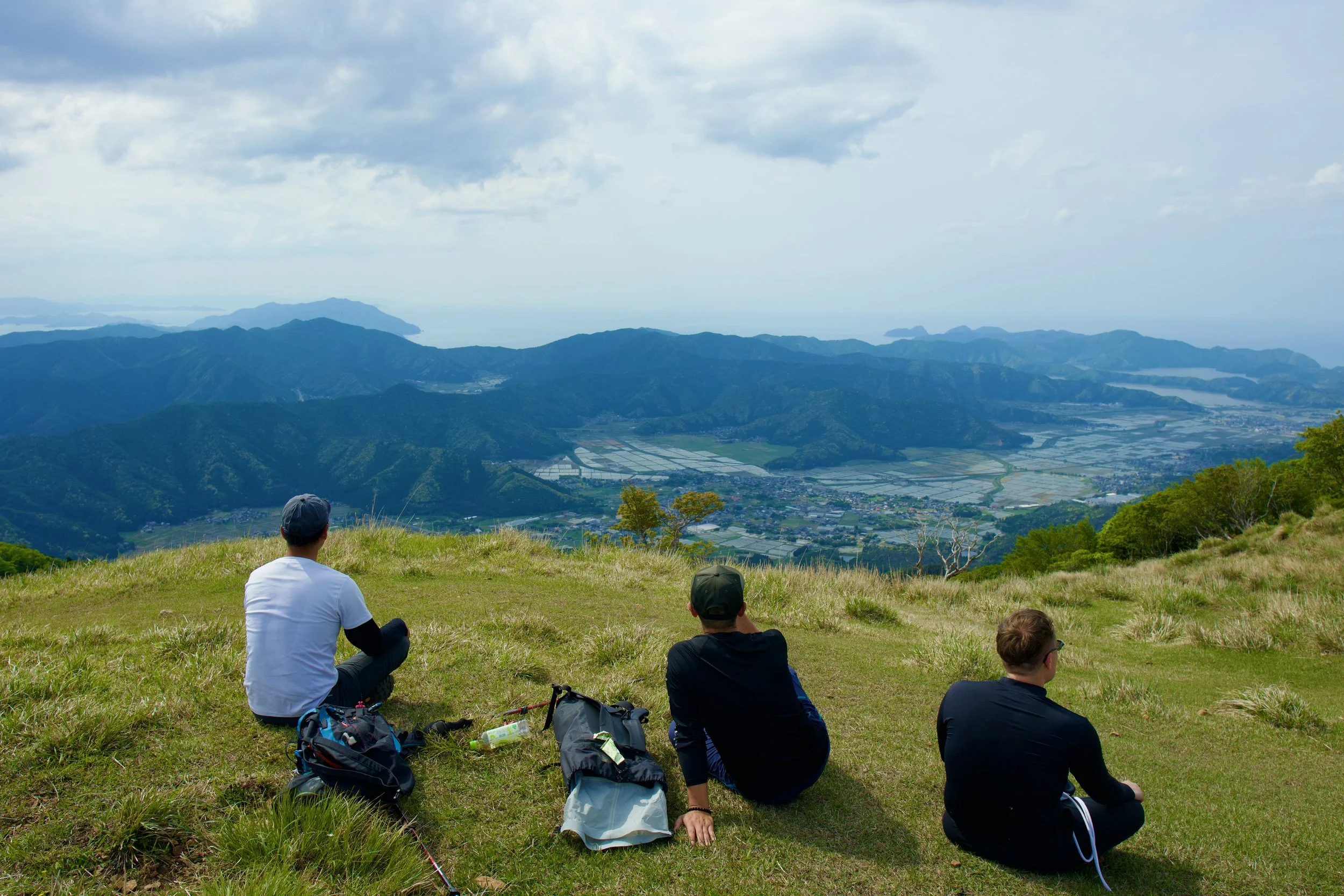
The summit overlooking Mikata Five Lakes
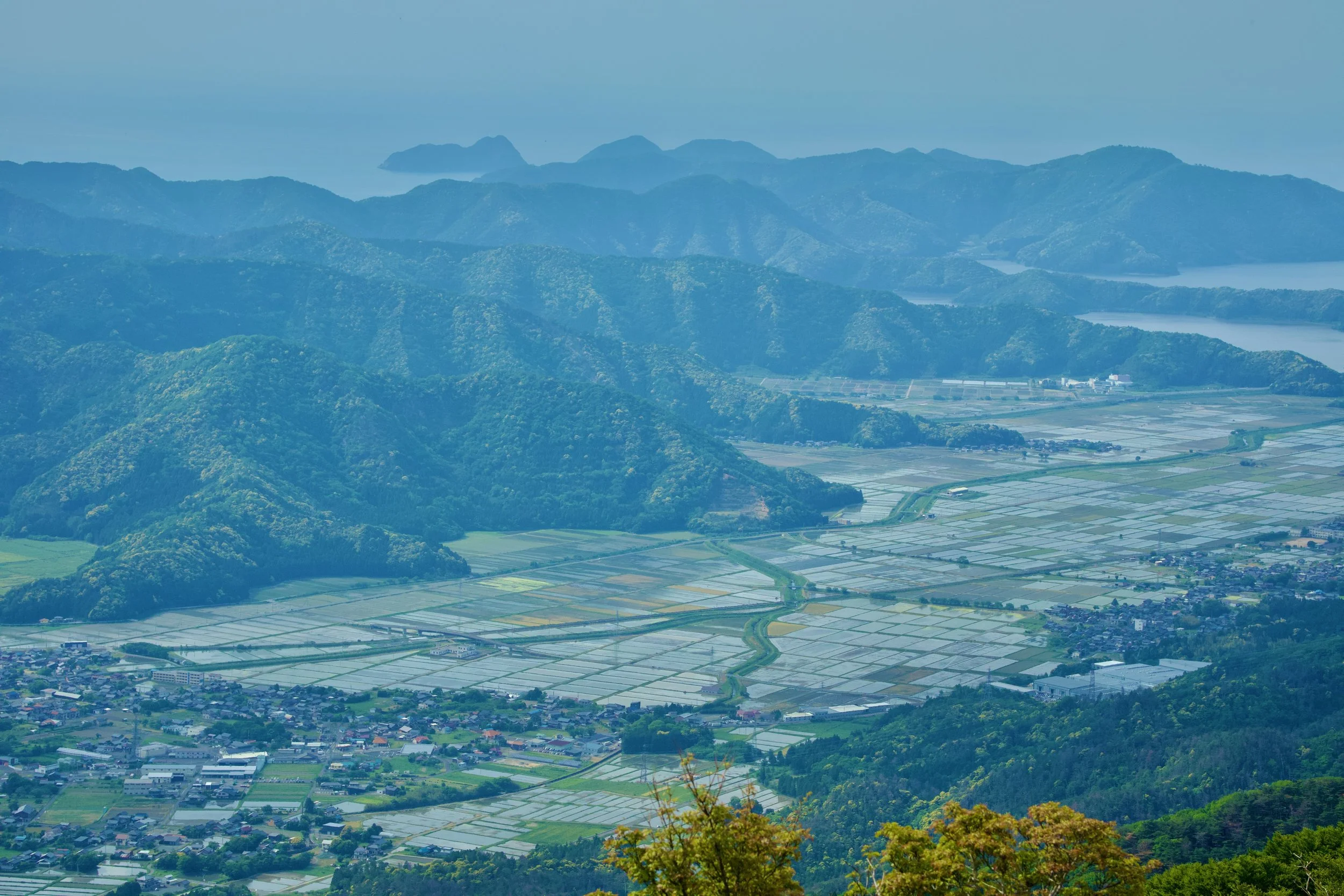
Nestled on the border between Fukui and Shiga Prefectures, Mount Sanjūsangen offers a glimpse into a quieter side of Japan. The trail winds through ancient beech forests and across broad ridgelines covered in swaying bamboo grass, before opening onto sweeping views of the Mikata Five Lakes and the surrounding mountains. For those seeking to step away from the noise of modern life, it is a place where silence, wind, and distant horizons become part of the journey.
Hiking Information
Round-trip time: Approximately 5–6 hours
Difficulty: Moderate
Best seasons: Late spring for fresh greenery, autumn for colorful foliage
Access: Approximately 20 minutes by car from JR Kaminaka Station
Recommended gear: Hiking boots, drinking water, warm layers, and rain gear
A Mountain Connected to Kyoto's History
Although Mount Sanjūsangen is still little known outside the region, it has deep ties to the historical and cultural connections between Wakasa and Kyoto. Local tradition holds that timber from this mountain was used in the construction of Kyoto's famous Buddhist temple hall, Sanjūsangendō. This story links the quiet forests of Wakasa with one of the cultural and spiritual centers of medieval Japan.
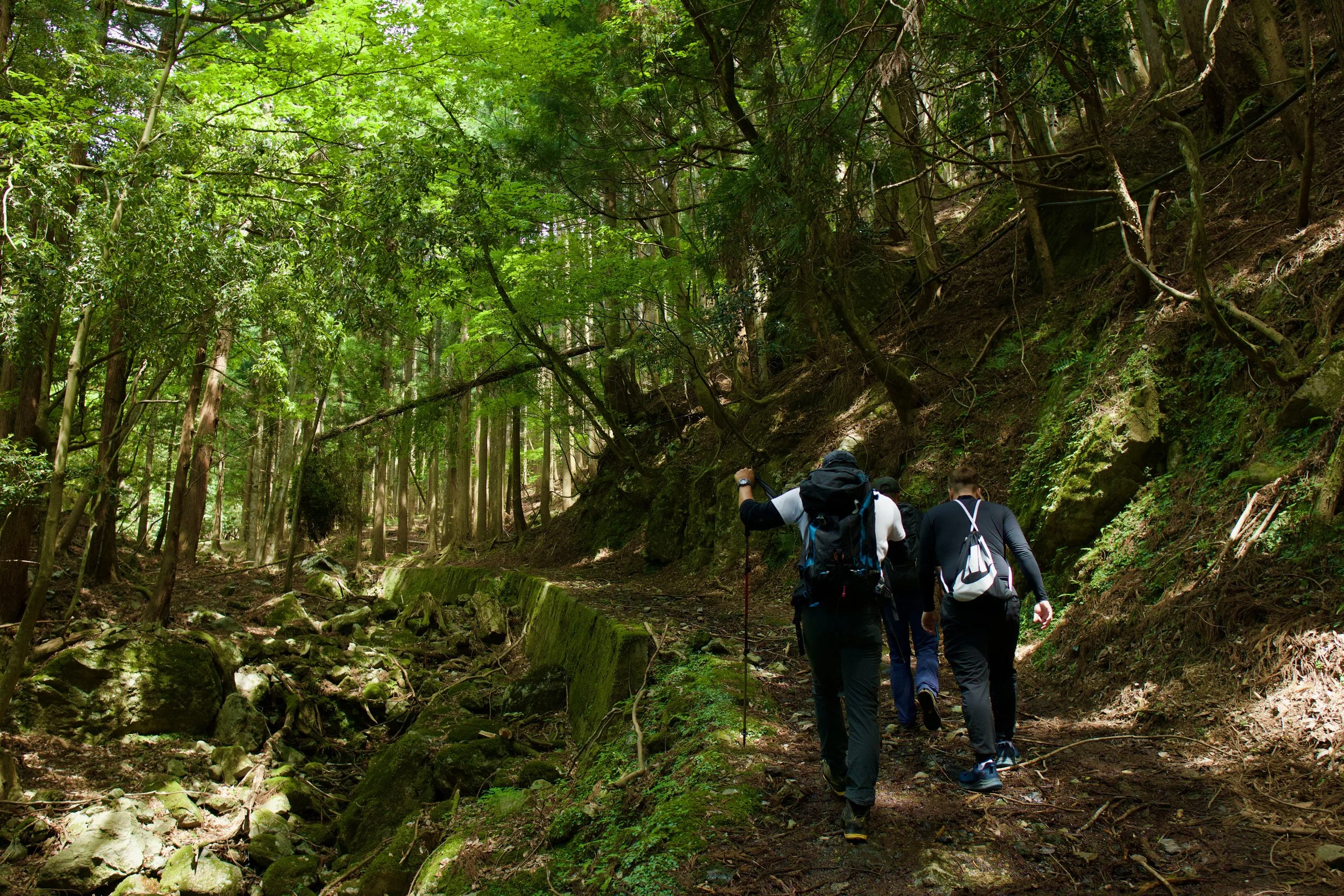
Even today, as you walk along the mountain's gentle ridges, traces of that history seem ever-present. Surrounded by ancient beech forests and expansive mountain views, hikers are not simply enjoying beautiful scenery—they are stepping into a landscape that once formed part of the historical connection between the Sea of Japan coast and the ancient capital of Kyoto.
Through Forests and Along Open Ridges
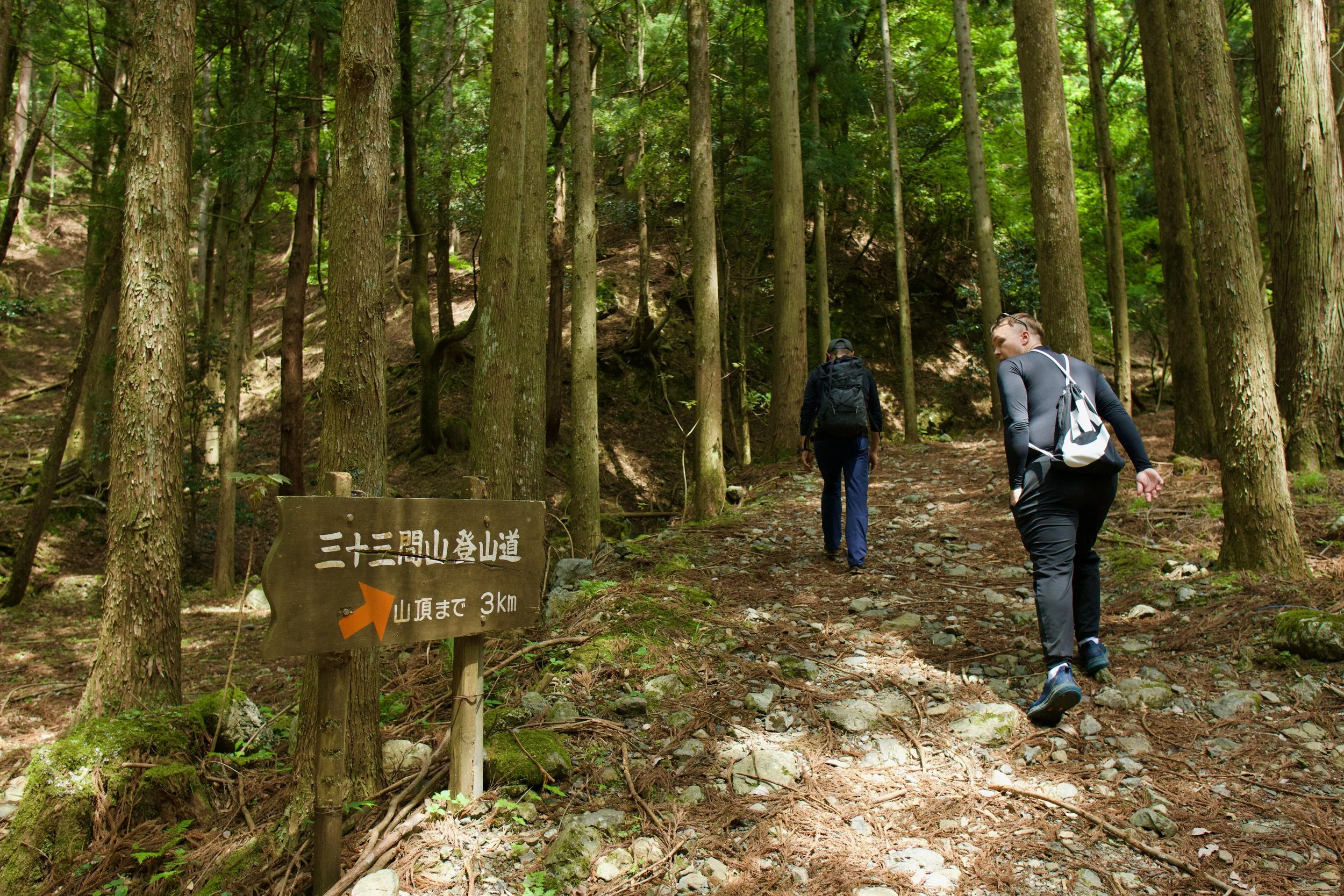
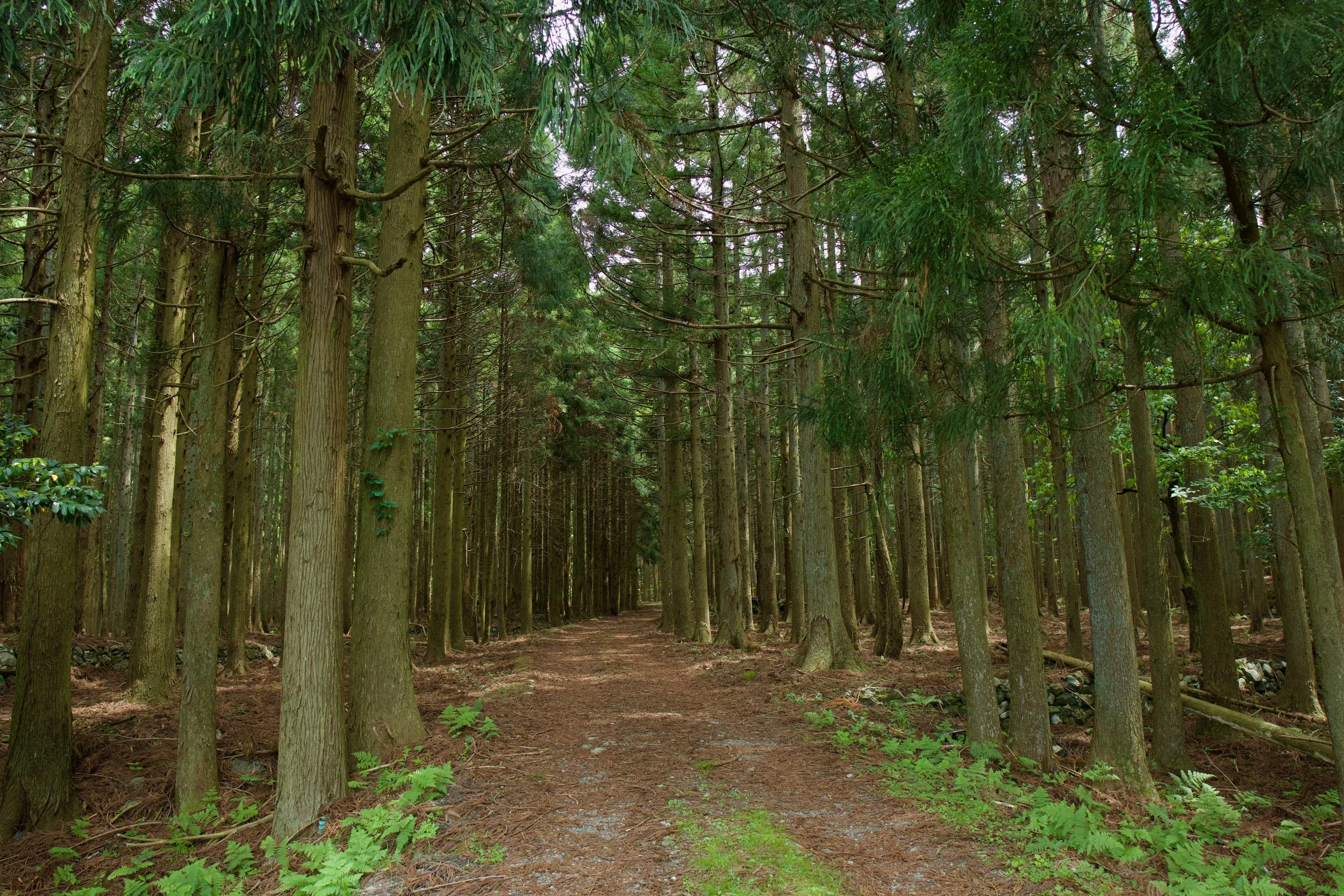
Beginning at the Nyū Trailhead on the Fukui side of the mountain, the route climbs gradually through peaceful cedar and beech forests before emerging onto Mount Sanjūsangen's broad ridgeline. The lower section of the trail is shaded by trees, where birdsong and the gentle sound of flowing streams create an atmosphere of calm and quiet.
As the elevation increases, the dense forest gradually gives way to open grasslands of bamboo grass. Here, sweeping views unfold across Wakasa Bay, the Mikata Five Lakes, and the mountain ranges stretching across Fukui and Shiga Prefectures. In autumn, the beech forests transform into brilliant shades of gold, orange, and crimson, adding even greater beauty to the landscape.
One of the mountain's greatest attractions is the long ridgeline walk near the summit. Open and expansive, yet somehow remote and peaceful, it offers a special sense of freedom rarely found on more crowded hiking routes.
Exploring the Wakasa Region
After descending the mountain, visitors can continue exploring the charms of the Wakasa region. Stroll through the historic post town of Kumagawa-juku, admire the scenic beauty of the Mikata Five Lakes, or enjoy fresh seafood along the shores of Wakasa Bay.
With its relaxed pace of life and rich cultural heritage, the region provides the perfect complement to a day in the mountains, and Mount Sanjūsangen stands out as one of Fukui's most rewarding satoyama (rural mountain landscape) experiences.
Discovering Japan's Quiet Landscapes
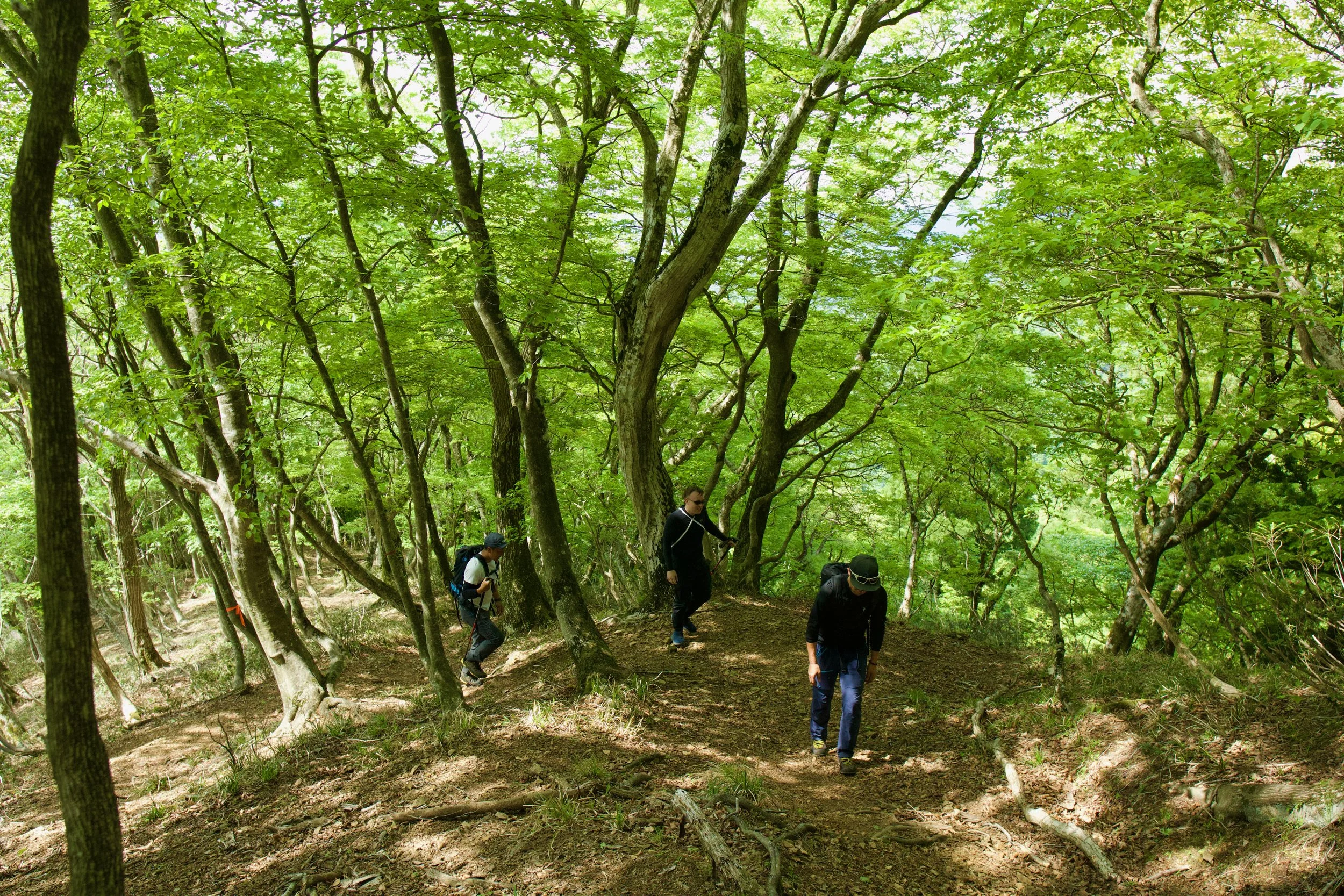
In a country where many tourist destinations and hiking trails attract large crowds, Mount Sanjūsangen preserves something increasingly rare: space, silence, and a sense of discovery.
There is a feeling here of uncovering a landscape that continues to exist quietly within the daily lives of local people. For travelers wishing to venture beyond Japan's well-known destinations, Mount Sanjūsangen offers one of the most memorable mountain walks in the Wakasa region.
Highlights of the Route
1. An Authentic Mountain Experience Without Extreme Difficulty
At 842 meters above sea level, Mount Sanjūsangen is not a high mountain, but the trail provides enough elevation gain to offer a satisfying hiking experience. The route contains relatively few dangerous sections, making it suitable for reasonably fit hikers as a day trip. Near the summit, the forest opens into broad ridges covered in bamboo grass, creating a wonderfully open atmosphere.
2. Panoramic Views from the Summit
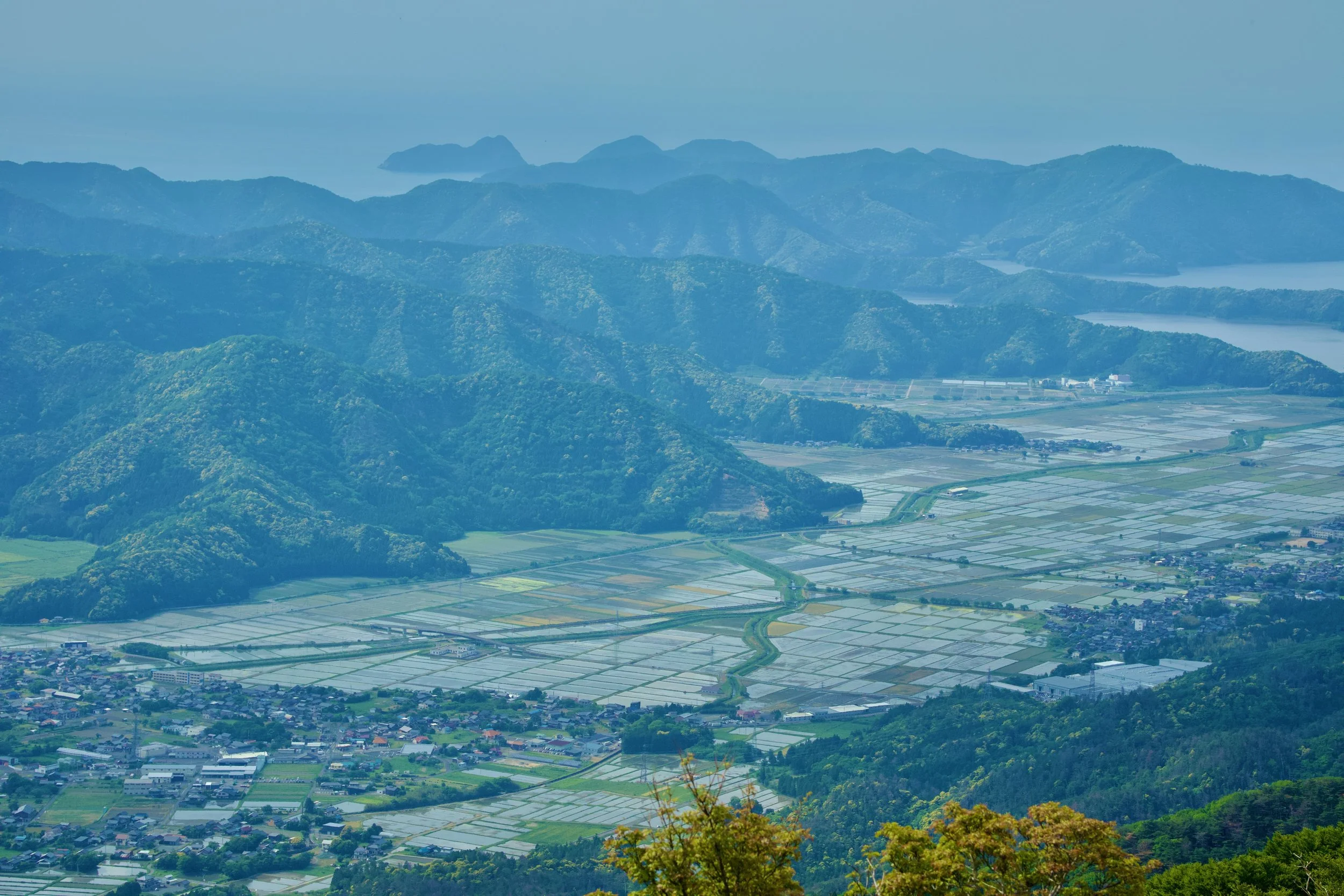
The summit area is an open landscape covered with low bamboo grass. On clear days, hikers can enjoy magnificent views of the blue waters of Wakasa Bay, the surrounding mountain ranges, and, in favorable conditions, even the distant peaks of the Hakusan Range. Spring and autumn are particularly rewarding, with crisp air and excellent visibility for photography and sightseeing.
3. Beech Forests and Seasonal Wildflowers
The mountain's middle slopes are home to beautiful natural beech and oak forests. In late spring, vibrant fresh greenery covers the landscape, while autumn brings brilliant displays of golden foliage. Early spring hikers may encounter wildflowers such as katakuri (dogtooth violets) and iwakagami, while early summer brings elegant lilies and other delicate mountain flowers that brighten the trail.
Final Thoughts
Unlike Japan's more famous mountain destinations, Mount Sanjūsangen remains relatively undiscovered and retains a peaceful ambience. Even during the autumn foliage season, it is not unusual to hike for long stretches without encountering other people. For those seeking solitude, quiet reflection, and a deeper connection with nature, it offers an ideal mountain experience.
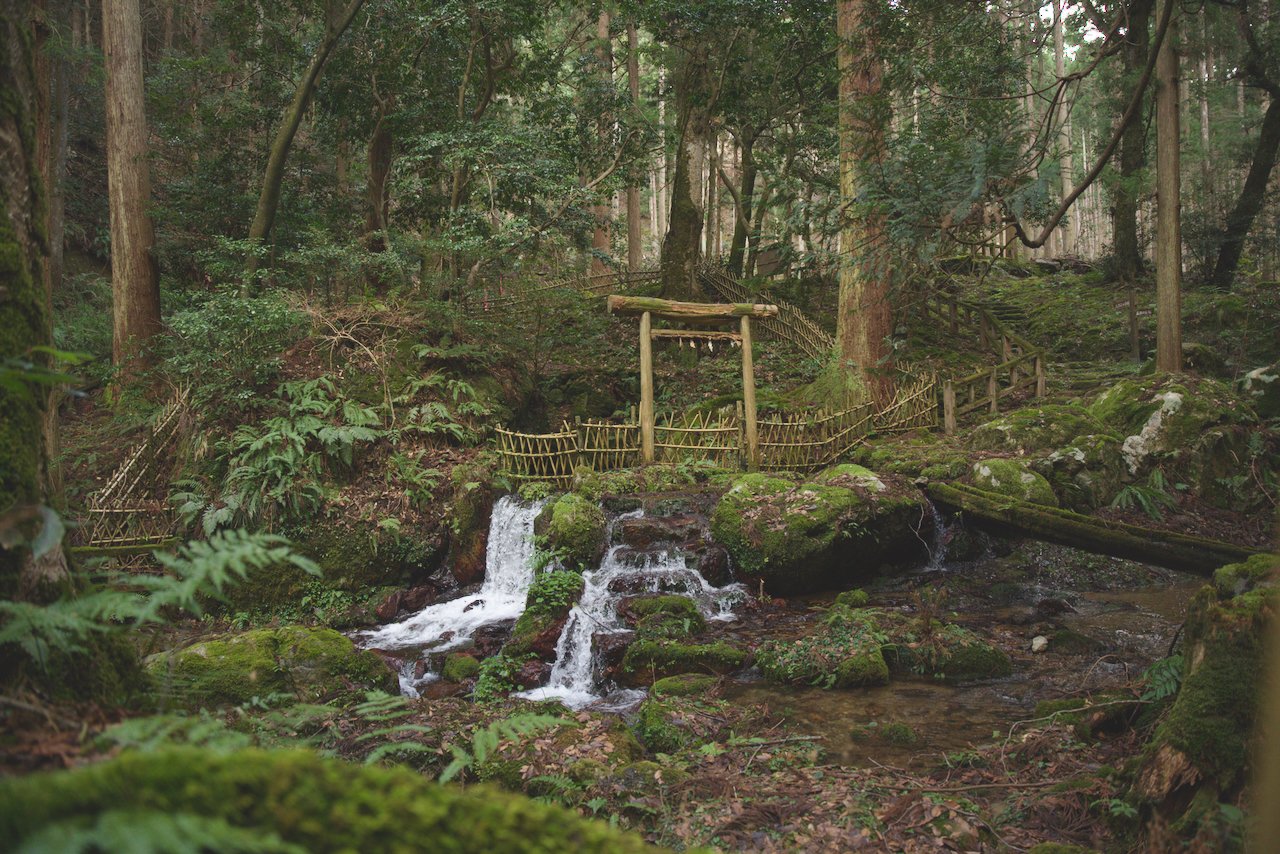
Uriwari Falls: Pure Water, Shared for Over a Thousand Years
It All Begins Here
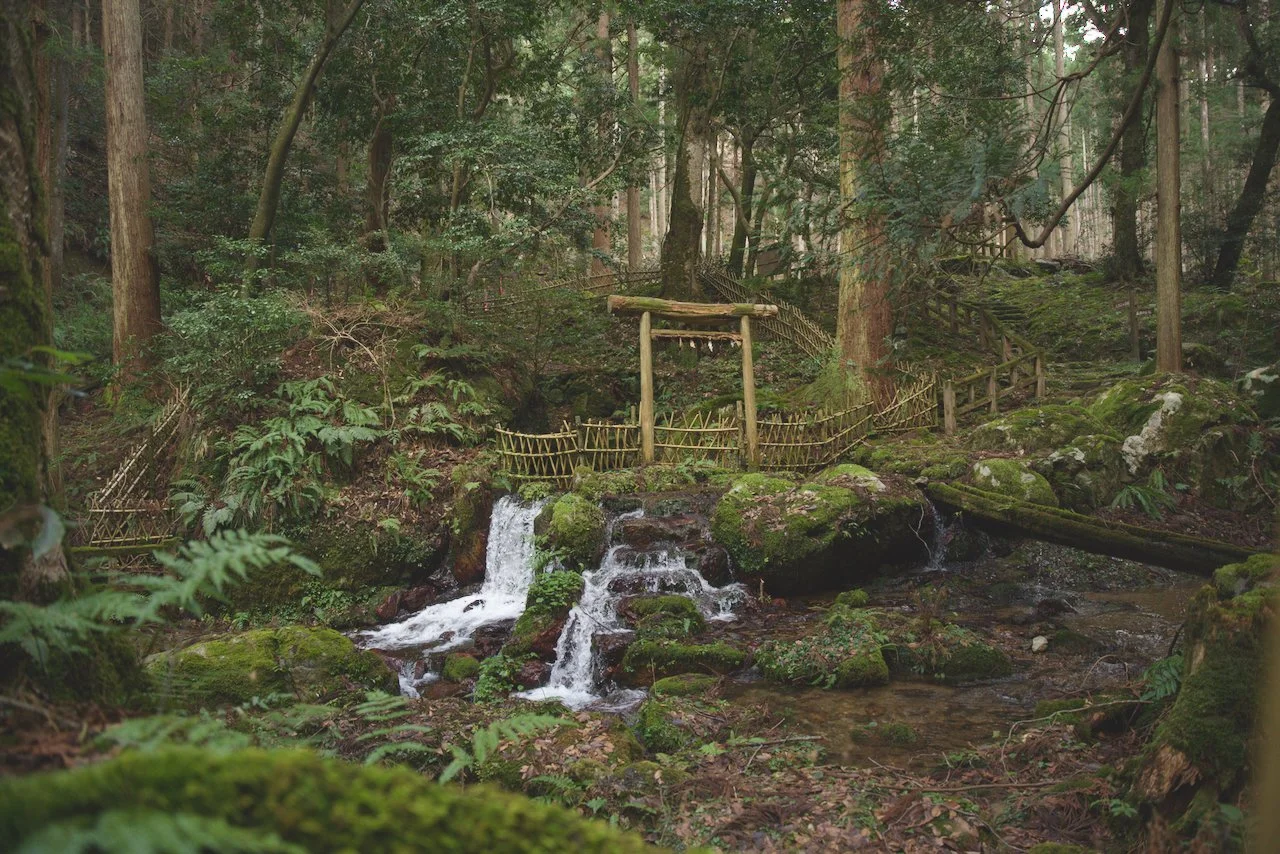
Uriwari Falls flows quietly in Wakasa
Hidden deep within a cedar forest, along moss-covered paths dotted with small temples, shrines, and weathered stone, Uriwari Falls flows quietly in Wakasa—a rural town in southern Fukui whose landscape reveals a history far older than it first appears.
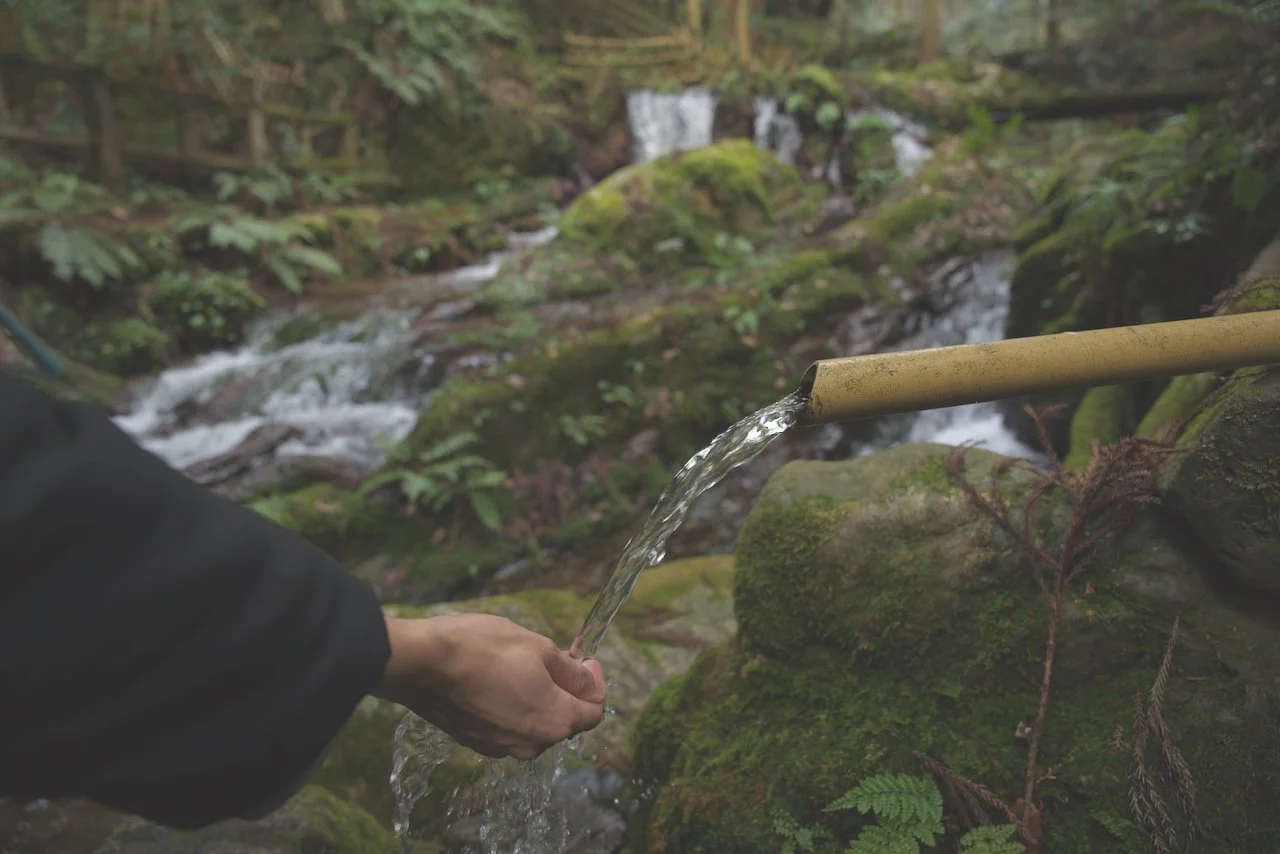
For more than 1,300 years, people have come to Uriwari Falls for one essential reason: water. Long before it became a place to visit, this spring was already an ancient source of clean drinking water for surrounding villages. Historical records suggest that water from Uriwari was carried home daily for drinking, cooking, tea preparation, and ritual use. Its stable flow and exceptional clarity made it especially valued, turning the act of collecting water into a quiet rhythm of everyday life rather than a special event. Even today, locals arrive with large containers, repeating gestures that have changed little over generations.
Why the Water Is So Pure?
Here, rainwater seeps deep into ancient limestone beneath the forest floor, slowly filtered over decades before returning to the surface as crystal-clear spring water. Even in the height of summer, it remains startlingly cold—so cold, in fact, that local legend says it could once split a melon, giving the falls their poetic name: Uriwari, or “melon-splitting.”