Walking Mount Sanjusangen
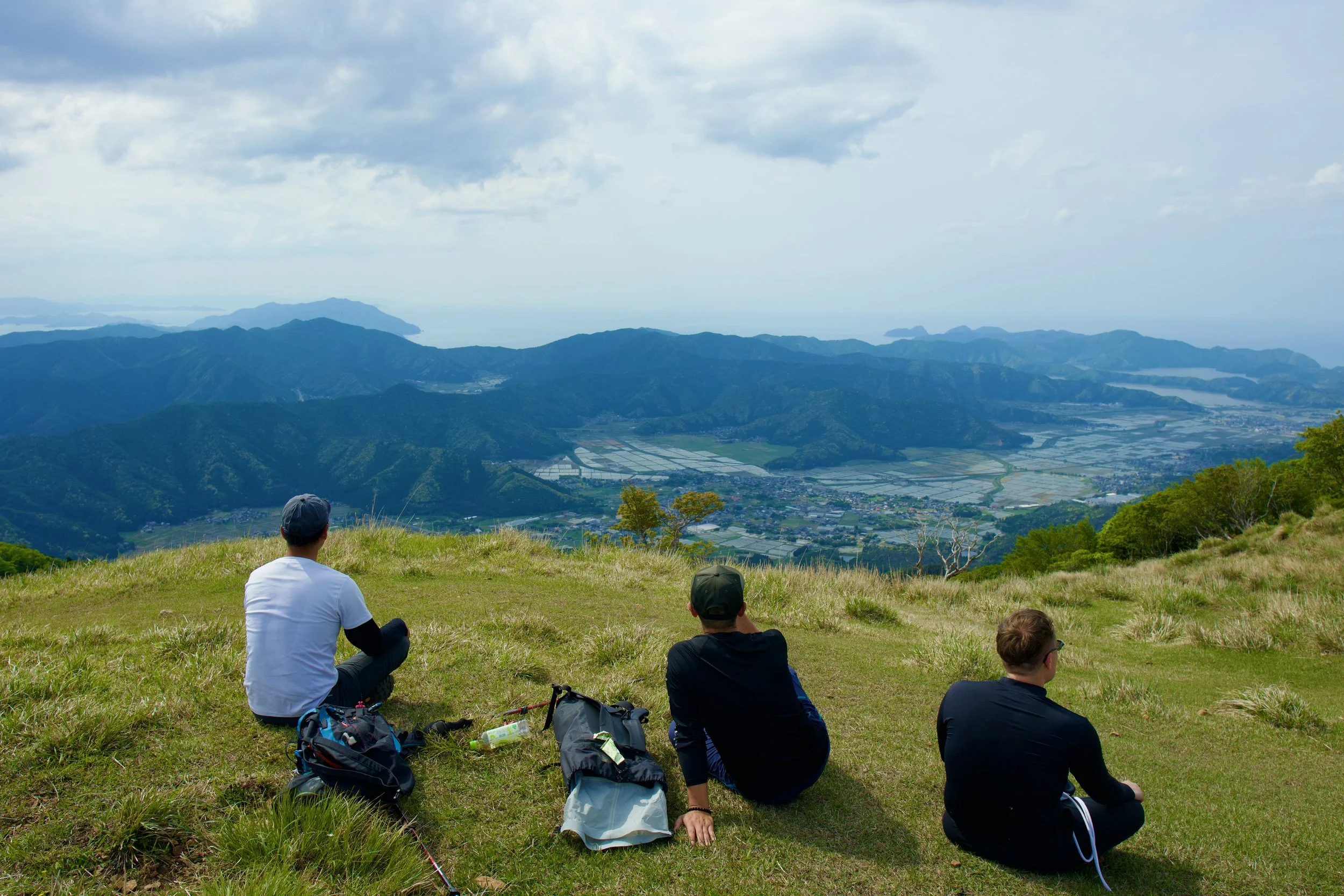
The summit overlooking Mikata Five Lakes
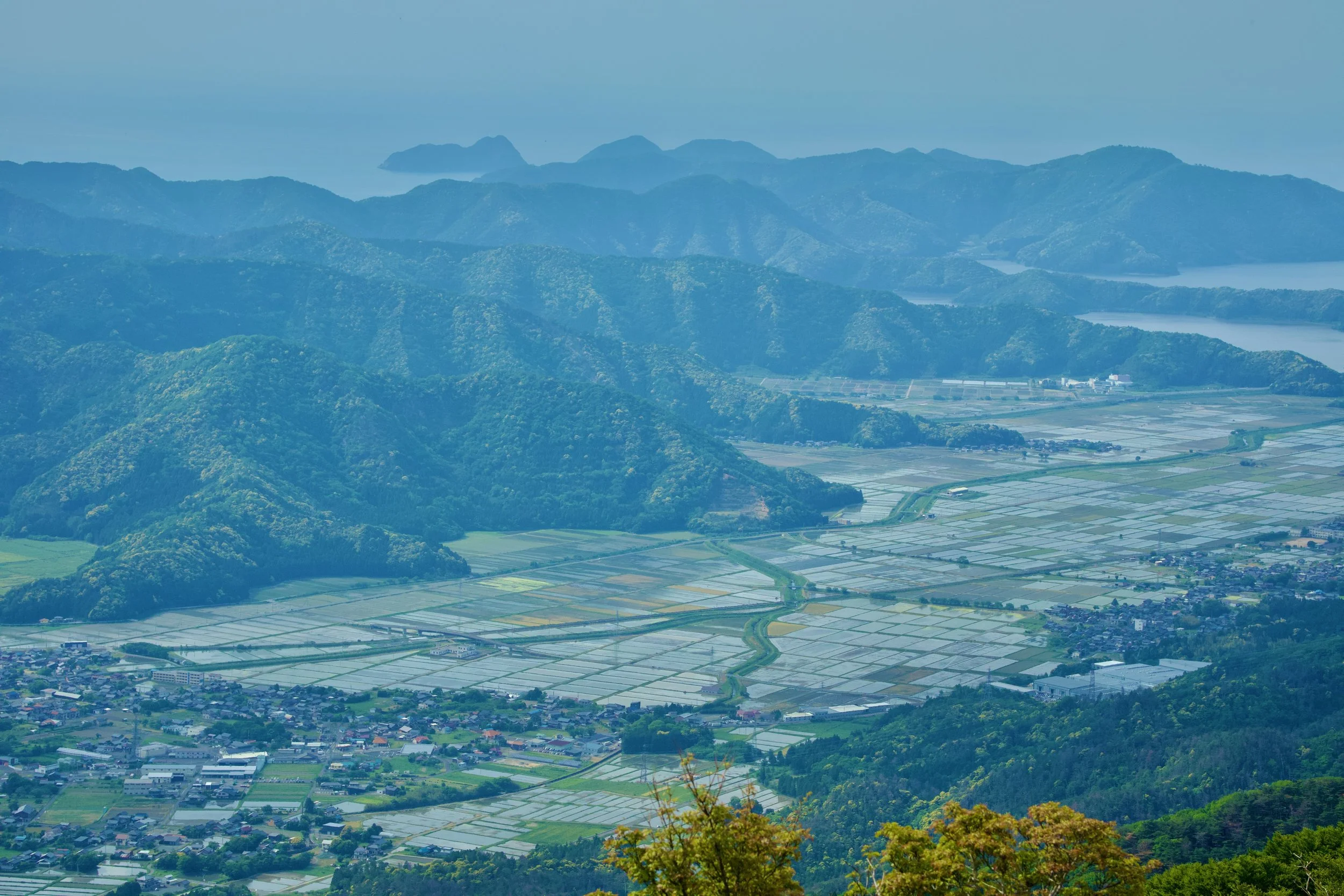
Nestled on the border between Fukui and Shiga Prefectures, Mount Sanjūsangen offers a glimpse into a quieter side of Japan. The trail winds through ancient beech forests and across broad ridgelines covered in swaying bamboo grass, before opening onto sweeping views of the Mikata Five Lakes and the surrounding mountains. For those seeking to step away from the noise of modern life, it is a place where silence, wind, and distant horizons become part of the journey.
Hiking Information
Round-trip time: Approximately 5–6 hours
Difficulty: Moderate
Best seasons: Late spring for fresh greenery, autumn for colorful foliage
Access: Approximately 20 minutes by car from JR Kaminaka Station
Recommended gear: Hiking boots, drinking water, warm layers, and rain gear
A Mountain Connected to Kyoto's History
Although Mount Sanjūsangen is still little known outside the region, it has deep ties to the historical and cultural connections between Wakasa and Kyoto. Local tradition holds that timber from this mountain was used in the construction of Kyoto's famous Buddhist temple hall, Sanjūsangendō. This story links the quiet forests of Wakasa with one of the cultural and spiritual centers of medieval Japan.
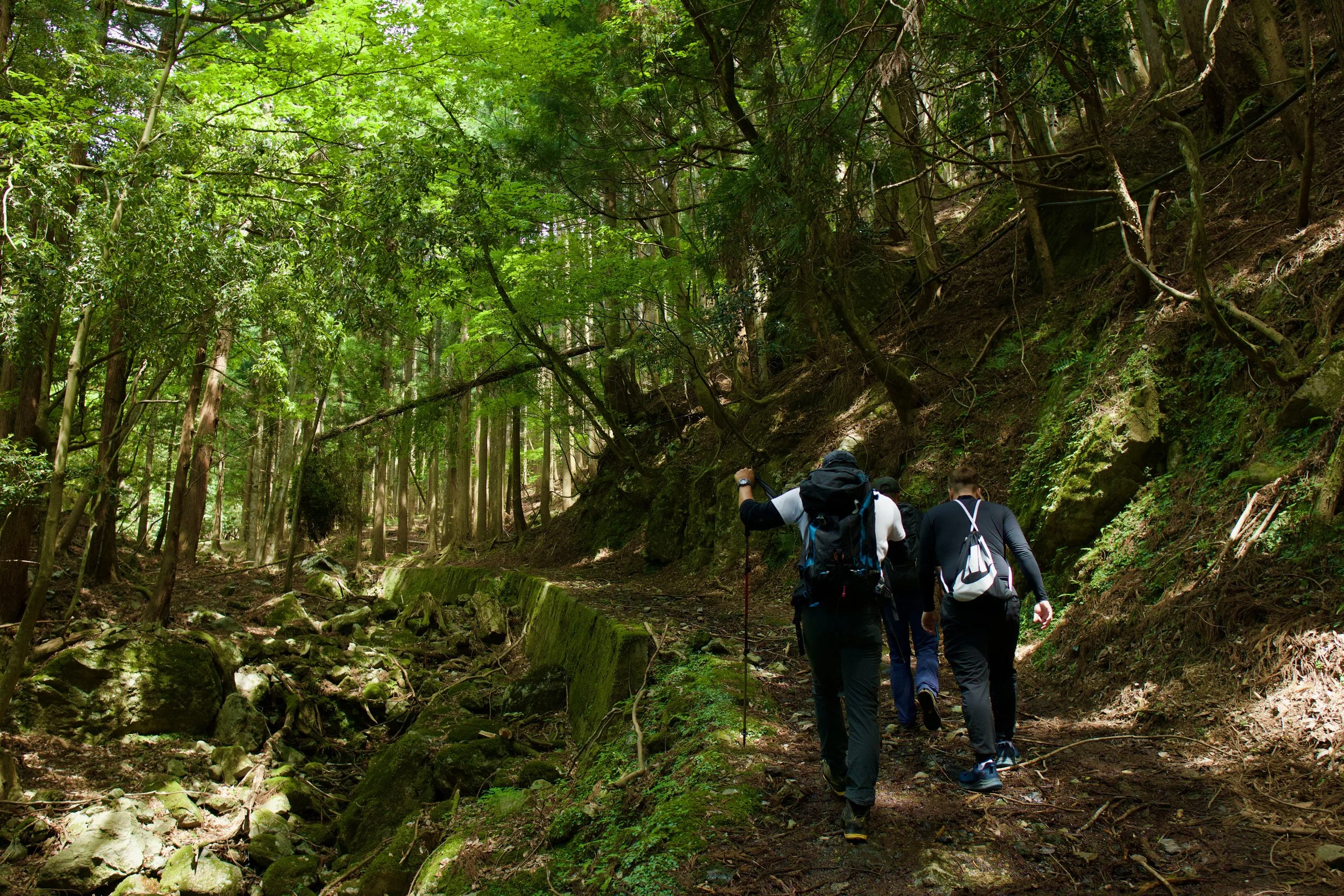
Even today, as you walk along the mountain's gentle ridges, traces of that history seem ever-present. Surrounded by ancient beech forests and expansive mountain views, hikers are not simply enjoying beautiful scenery—they are stepping into a landscape that once formed part of the historical connection between the Sea of Japan coast and the ancient capital of Kyoto.
Through Forests and Along Open Ridges
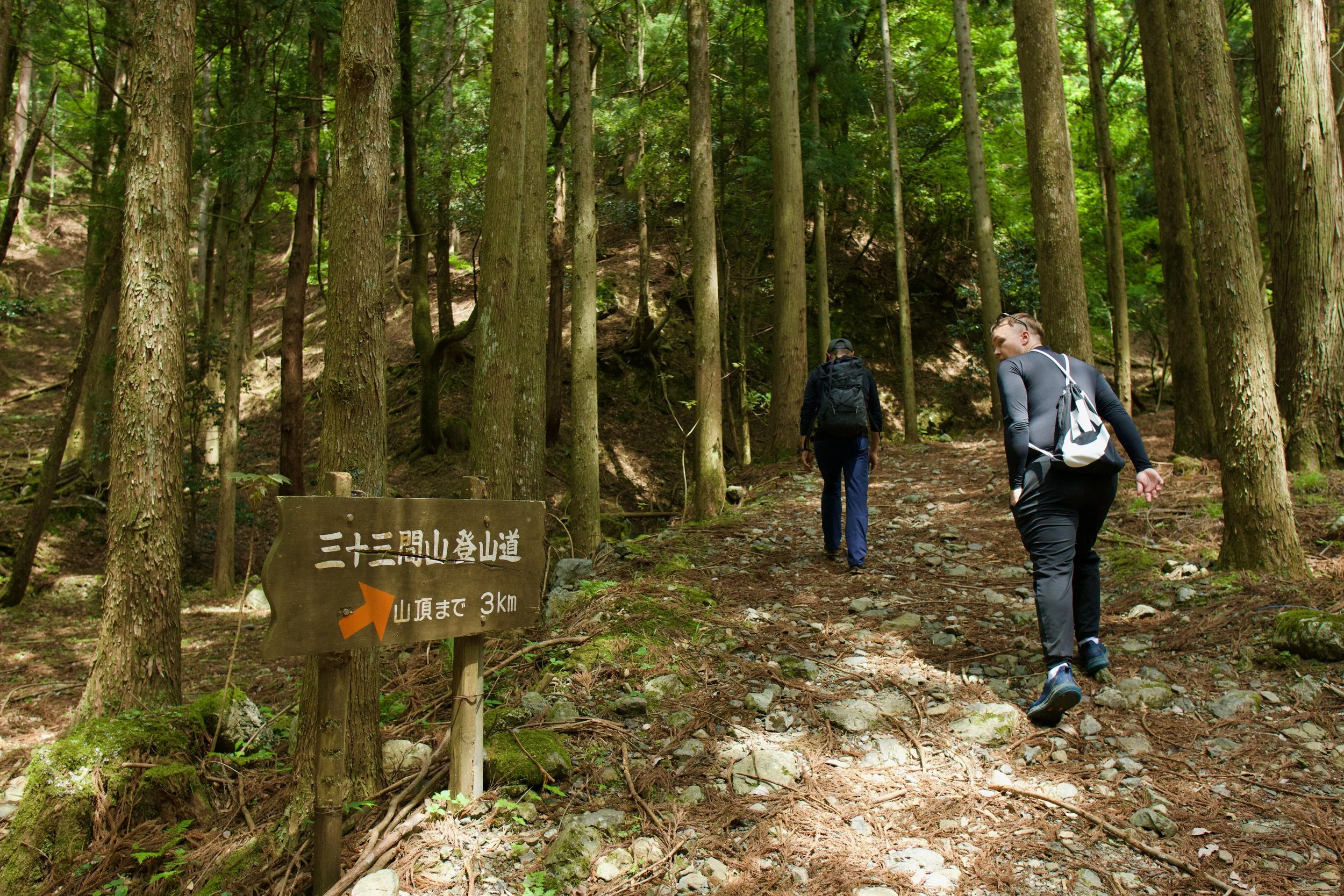
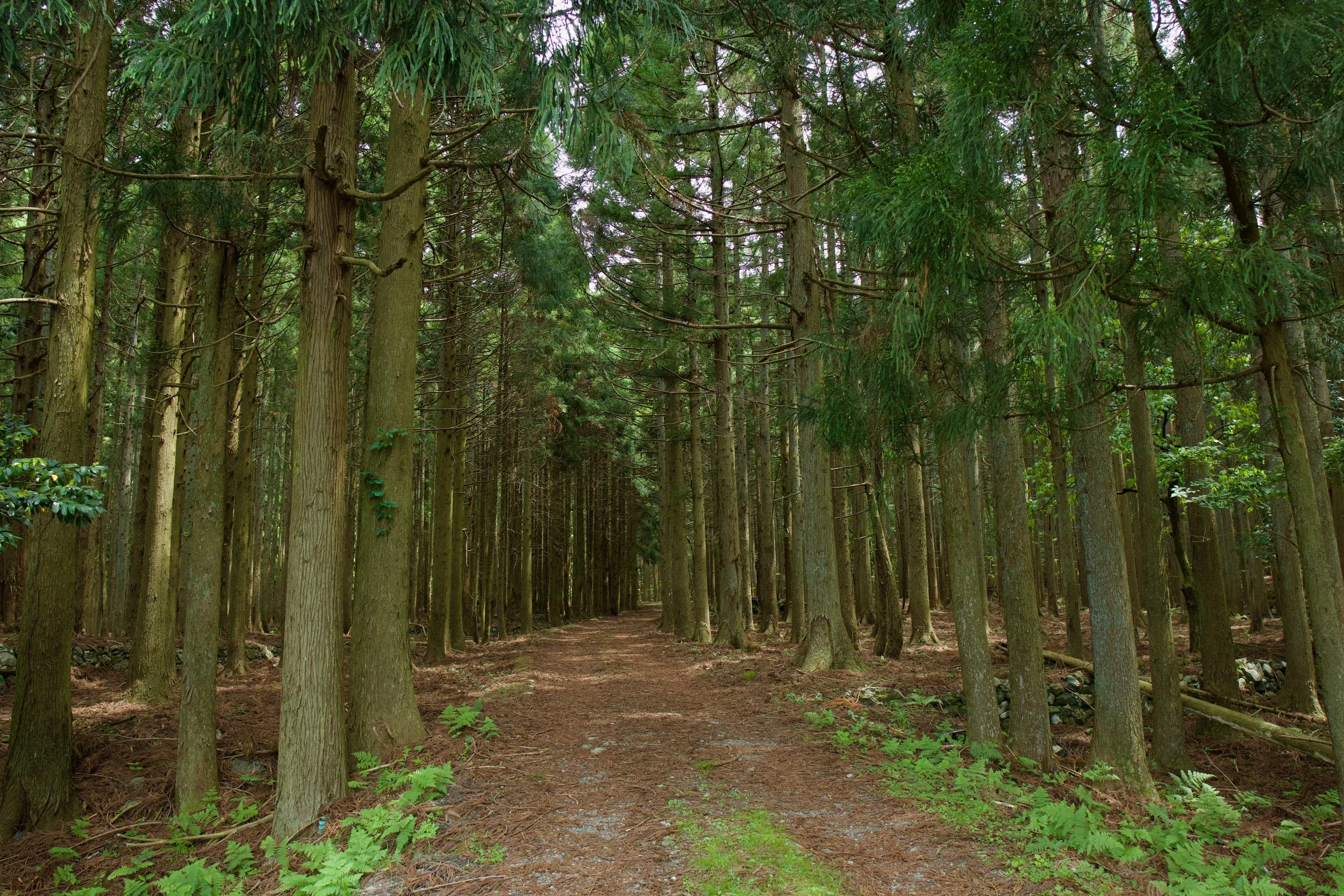
Beginning at the Nyū Trailhead on the Fukui side of the mountain, the route climbs gradually through peaceful cedar and beech forests before emerging onto Mount Sanjūsangen's broad ridgeline. The lower section of the trail is shaded by trees, where birdsong and the gentle sound of flowing streams create an atmosphere of calm and quiet.
As the elevation increases, the dense forest gradually gives way to open grasslands of bamboo grass. Here, sweeping views unfold across Wakasa Bay, the Mikata Five Lakes, and the mountain ranges stretching across Fukui and Shiga Prefectures. In autumn, the beech forests transform into brilliant shades of gold, orange, and crimson, adding even greater beauty to the landscape.
One of the mountain's greatest attractions is the long ridgeline walk near the summit. Open and expansive, yet somehow remote and peaceful, it offers a special sense of freedom rarely found on more crowded hiking routes.
Exploring the Wakasa Region
After descending the mountain, visitors can continue exploring the charms of the Wakasa region. Stroll through the historic post town of Kumagawa-juku, admire the scenic beauty of the Mikata Five Lakes, or enjoy fresh seafood along the shores of Wakasa Bay.
With its relaxed pace of life and rich cultural heritage, the region provides the perfect complement to a day in the mountains, and Mount Sanjūsangen stands out as one of Fukui's most rewarding satoyama (rural mountain landscape) experiences.
Discovering Japan's Quiet Landscapes
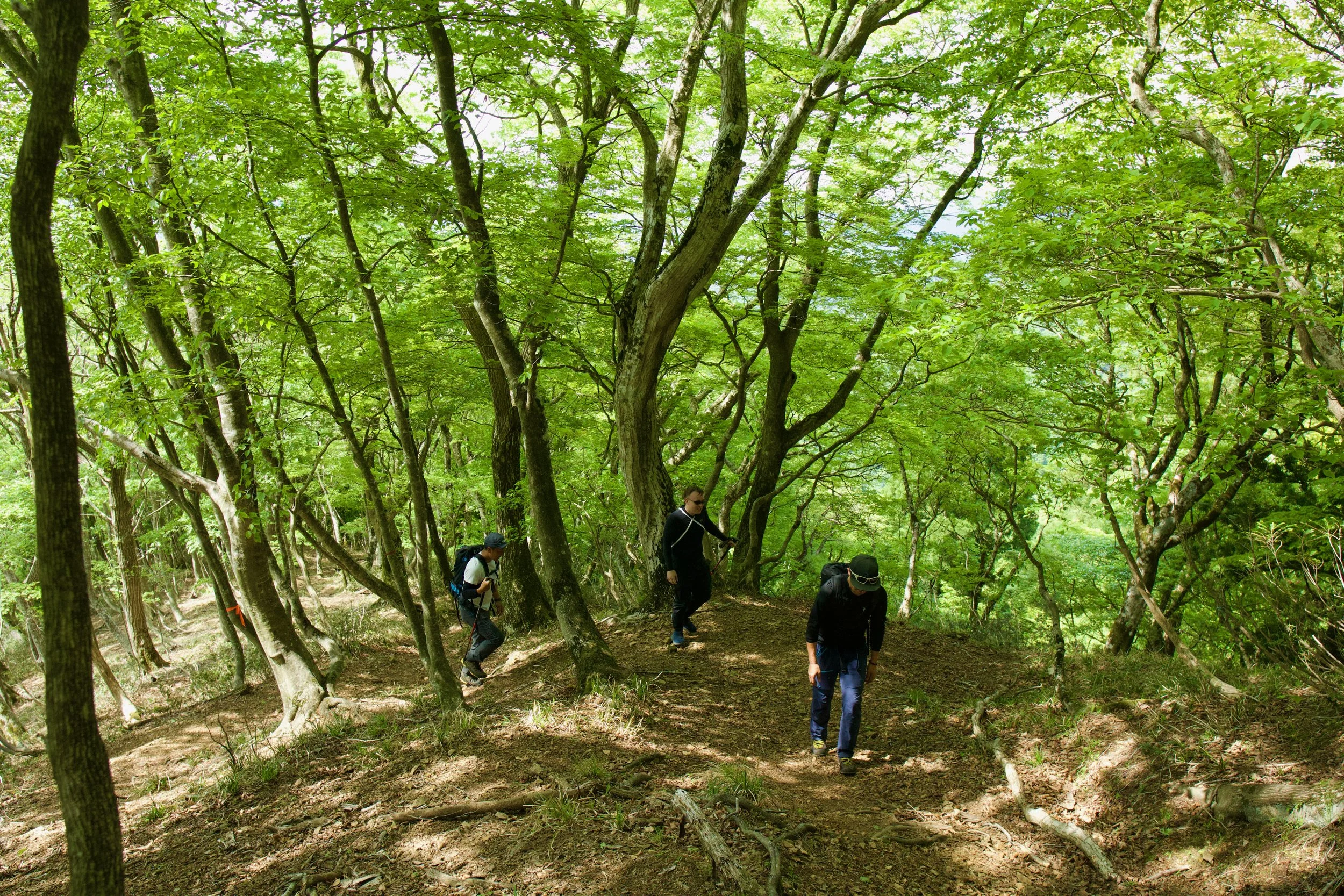
In a country where many tourist destinations and hiking trails attract large crowds, Mount Sanjūsangen preserves something increasingly rare: space, silence, and a sense of discovery.
There is a feeling here of uncovering a landscape that continues to exist quietly within the daily lives of local people. For travelers wishing to venture beyond Japan's well-known destinations, Mount Sanjūsangen offers one of the most memorable mountain walks in the Wakasa region.
Highlights of the Route
1. An Authentic Mountain Experience Without Extreme Difficulty
At 842 meters above sea level, Mount Sanjūsangen is not a high mountain, but the trail provides enough elevation gain to offer a satisfying hiking experience. The route contains relatively few dangerous sections, making it suitable for reasonably fit hikers as a day trip. Near the summit, the forest opens into broad ridges covered in bamboo grass, creating a wonderfully open atmosphere.
2. Panoramic Views from the Summit
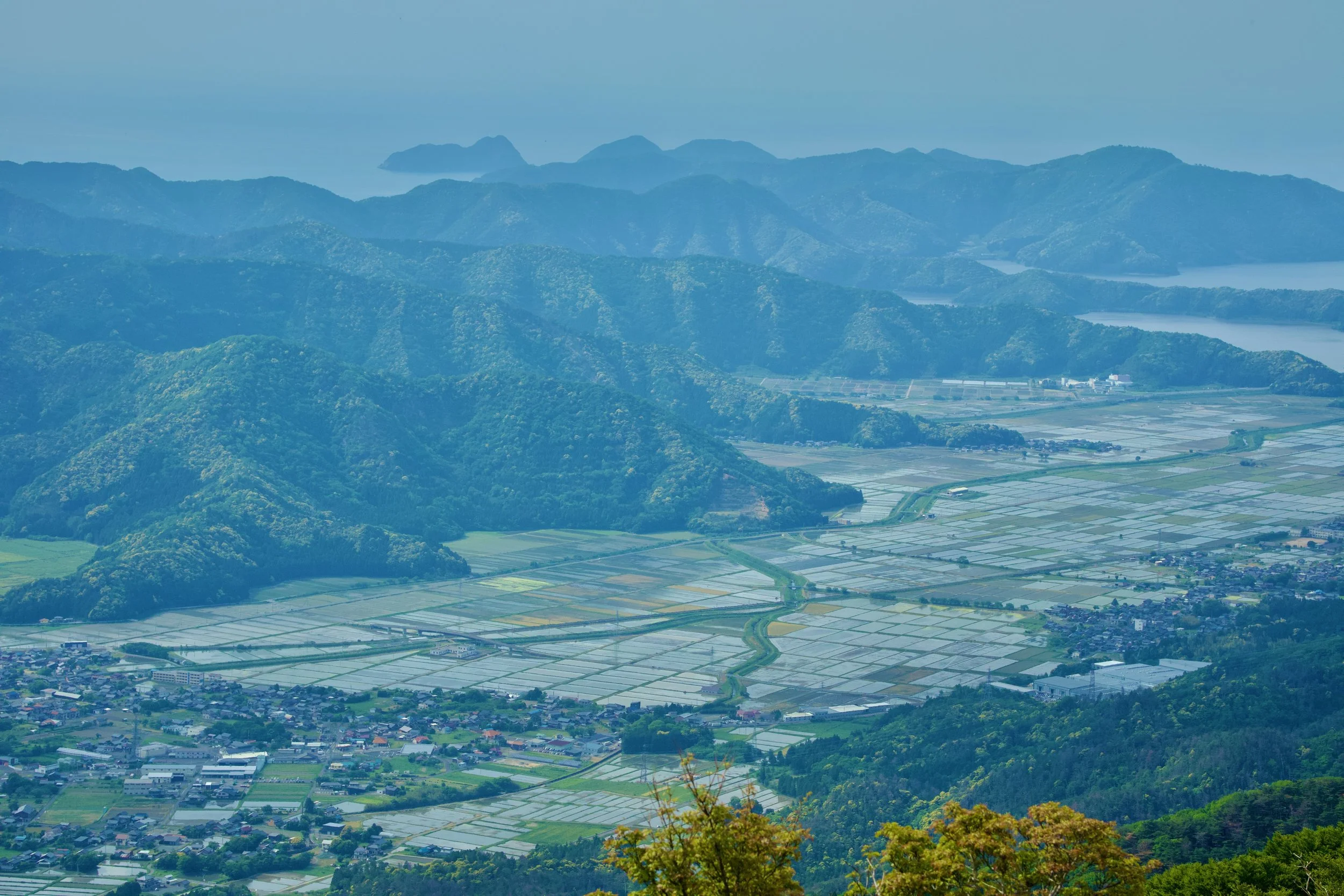
The summit area is an open landscape covered with low bamboo grass. On clear days, hikers can enjoy magnificent views of the blue waters of Wakasa Bay, the surrounding mountain ranges, and, in favorable conditions, even the distant peaks of the Hakusan Range. Spring and autumn are particularly rewarding, with crisp air and excellent visibility for photography and sightseeing.
3. Beech Forests and Seasonal Wildflowers
The mountain's middle slopes are home to beautiful natural beech and oak forests. In late spring, vibrant fresh greenery covers the landscape, while autumn brings brilliant displays of golden foliage. Early spring hikers may encounter wildflowers such as katakuri (dogtooth violets) and iwakagami, while early summer brings elegant lilies and other delicate mountain flowers that brighten the trail.
Final Thoughts
Unlike Japan's more famous mountain destinations, Mount Sanjūsangen remains relatively undiscovered and retains a peaceful ambience. Even during the autumn foliage season, it is not unusual to hike for long stretches without encountering other people. For those seeking solitude, quiet reflection, and a deeper connection with nature, it offers an ideal mountain experience.