Rediscovering Wood Carving in Kumagawa Juku, Fukui
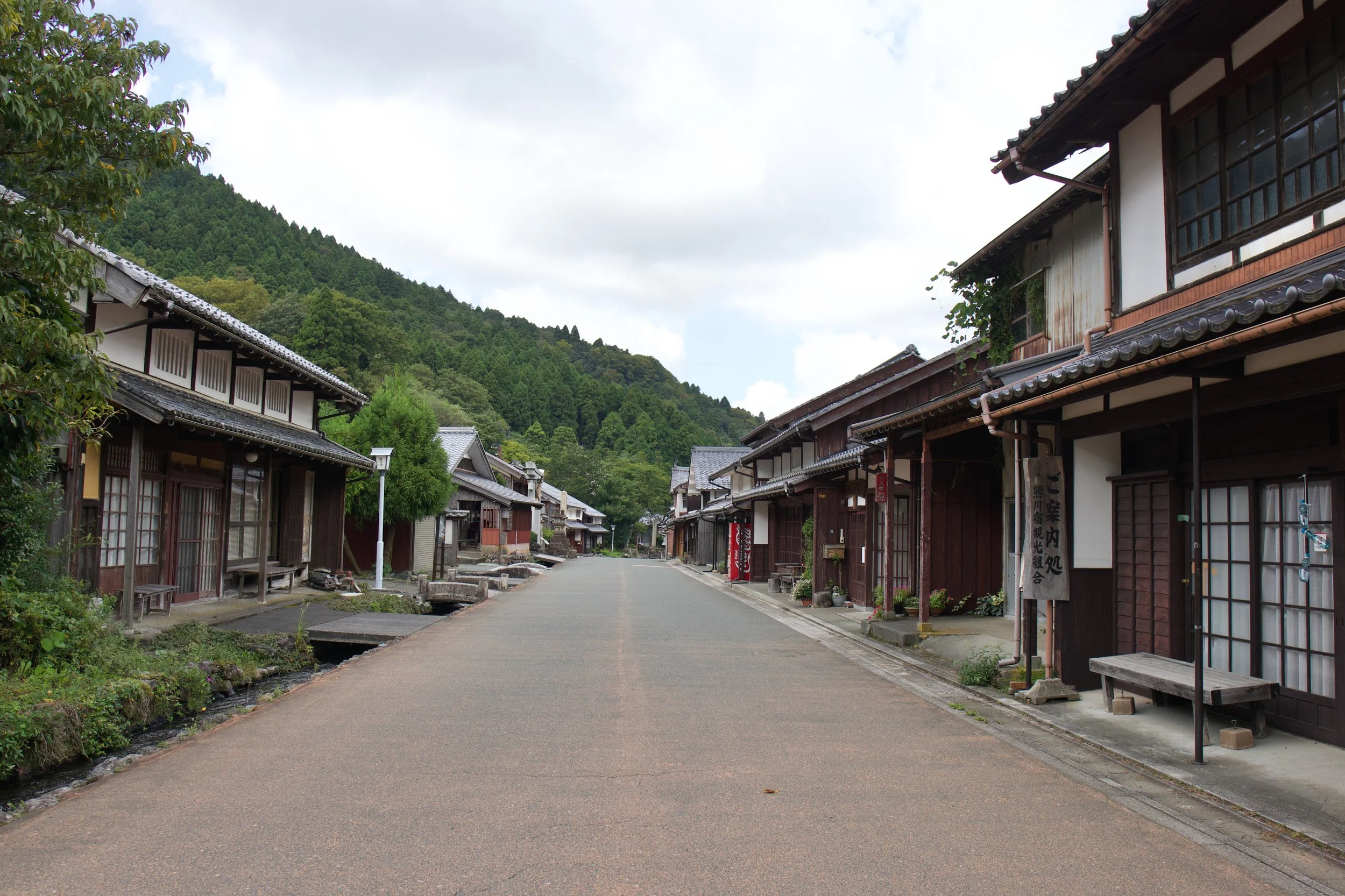
Kumagawa-Juku, Wakasa, Fukui
Walking through the historic streets of Kumagawa-juku feels almost like stepping into another era. The old buildings, quiet streets, and traditional atmosphere offer a glimpse of its past as an important post town along the Saba Kaido, the historic route that once connected the Sea of Japan with Kyoto.

One of the woodcarving studios where the classes take place
However, Kumagawa-juku’s appeal goes beyond the historic atmosphere preserved in its streets. A traditional craft that has been passed down in one of Japan’s renowned wood-carving communities has found a new home here. Today, visitors can experience the unique appeal of this traditional craft for themselves through hands-on wood-carving experiences led by skilled woodworkers.
During this two-hour wood-carving experience, you can learn the fundamentals of wood carving from the very beginning. Starting with carving simple shapes, you will learn how to use a variety of woodworking tools and how to read the grain of the wood, developing the basic skills needed to shape a piece while working closely with the material. You can also learn how to maintain and sharpen the tools, offering a deeper insight into the skills and knowledge that support this traditional craft.
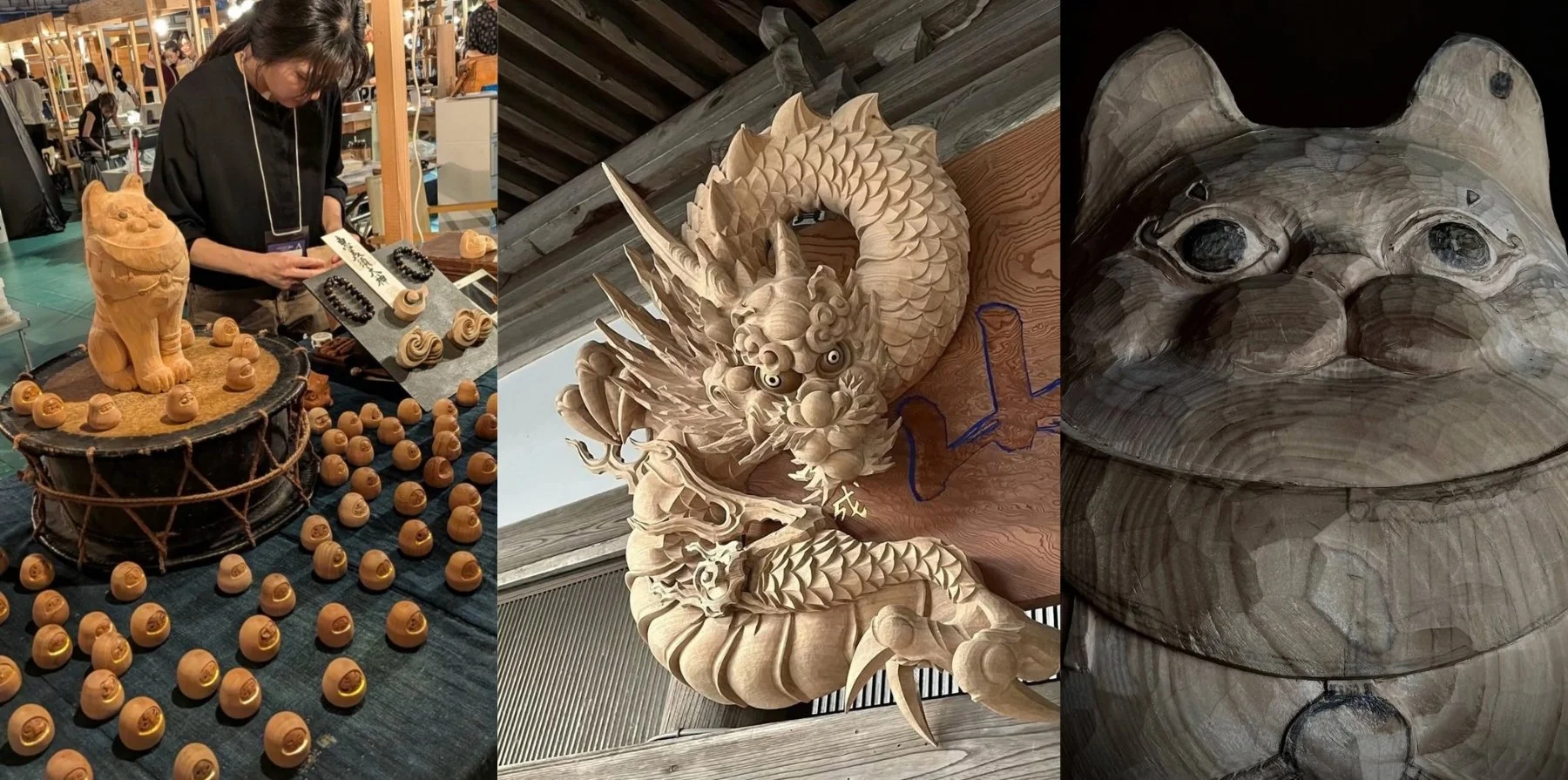
A selection of incredible works by Niino-san, the master woodcarver
At the heart of this experience is woodcarver Yuichi Niino. His journey into wood carving began when, as a child, he became fascinated by the beauty of the ranma carvings he saw in his family home. After studying architecture at Tsuruga Technical High School, he moved to Inami in Toyama Prefecture, a town renowned throughout Japan for its wood carving, where he spent five years training under a master craftsman.
Today, Niino has his own workshop in Kumagawa-juku, where he creates a wide range of wooden works, from Buddhist statues and intricate carvings for temples and shrines to house nameplates and smaller pieces. The skills he developed through years of training, his deep knowledge of wood grain, and his meticulous approach to each piece are all reflected in his work.
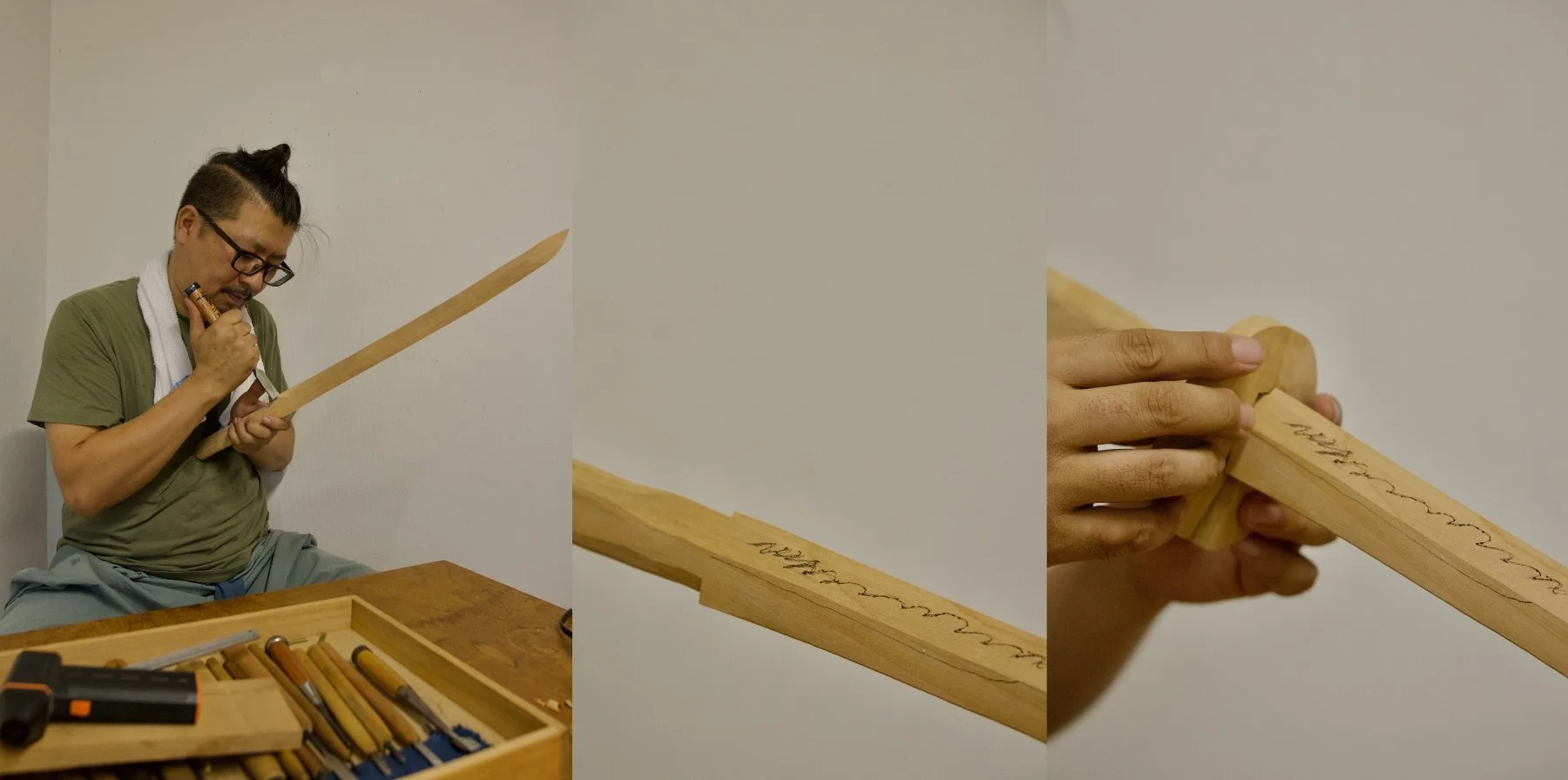
Master woodcarver Niino-san puts the finishing touches on a student’s wooden katana
During this two-hour woodcarving experience, participants are introduced to the fundamentals of the craft, from carving simple shapes and learning to use a variety of woodworking tools to understanding wood grain. They can also discover how to properly maintain and sharpen their tools, gaining a deeper appreciation of the skills and knowledge behind this traditional craft.
Classes are held twice a month, either at the artisan’s main woodworking studio or at a nearby rented studio. No prior experience is necessary, as beginners are guided through the fundamentals from the very beginning. Although I had some previous woodworking experience, I joined the class as a complete beginner. Those with more experience, however, are also welcome to bring their own design ideas and use the workshop as a space to develop their own creations.
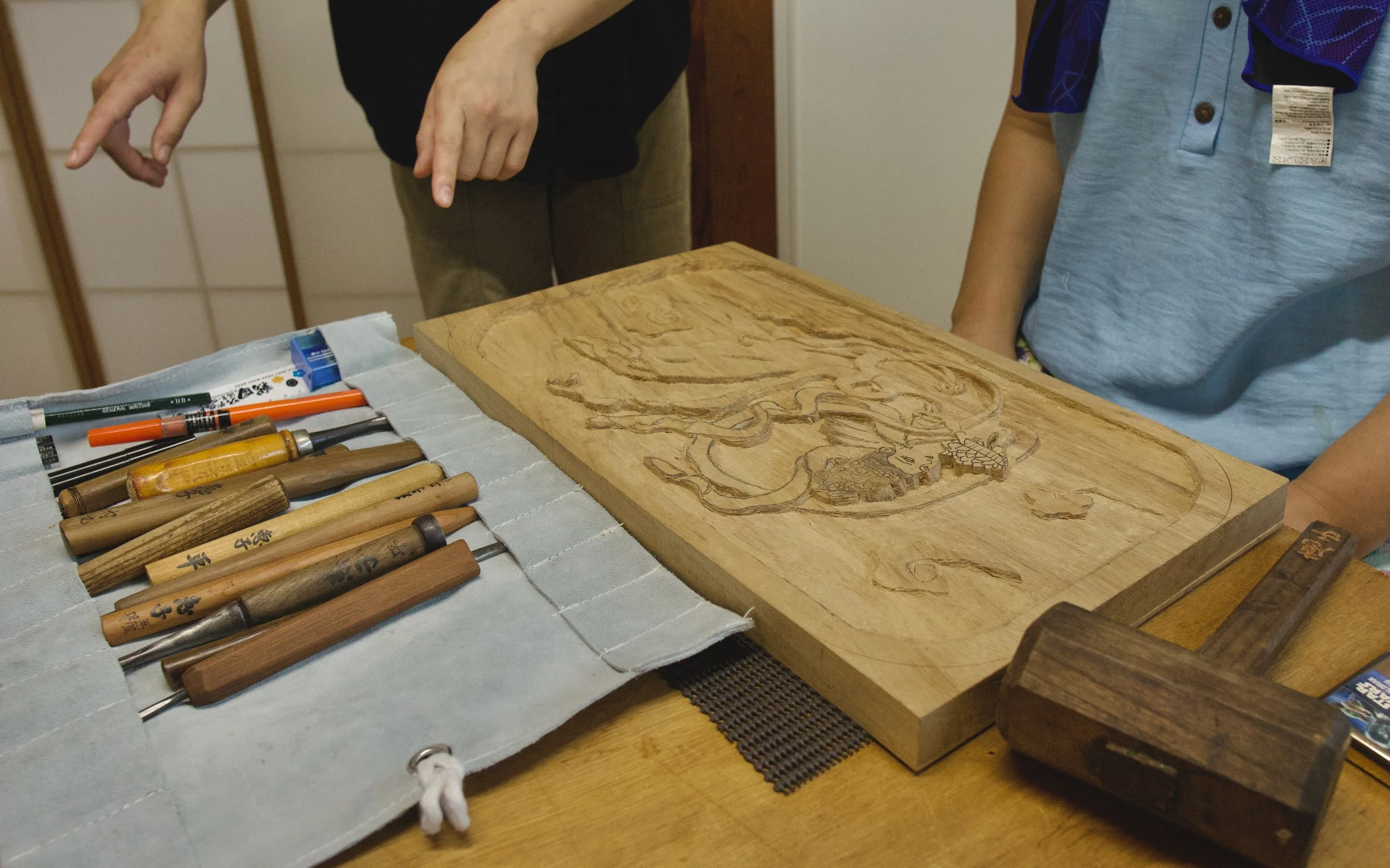
A student brings their own creation to class: an intricate relief of a Japanese goddess, showcasing the skills and creative possibilities that can be developed through the classes
Although I had some previous experience with woodworking, I joined the class as a beginner, learning alongside the other participants. At the same time, those with prior experience are also welcome and can bring their own designs to the workshop and work on creating original pieces of their own.
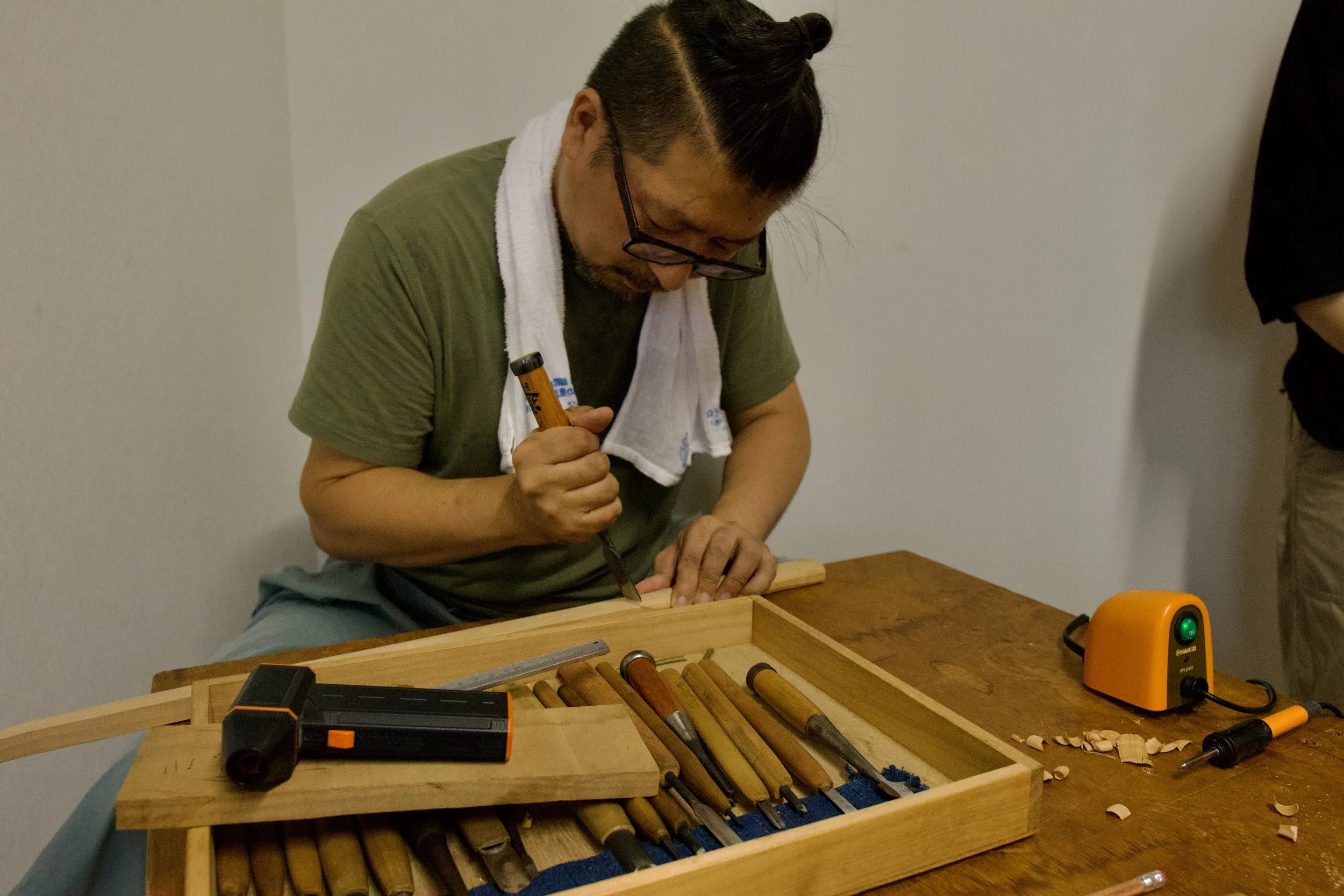
The First Class - Humble Beginnings
The first class begins with something deceptively simple: carving a sphere. While it may seem like an unusual place to start, creating a smooth, rounded shape teaches many of the fundamental skills needed for woodcarving. Participants learn how to read the grain of the wood, control the angle and pressure of the carving tools, and gradually remove material to create an even shape.
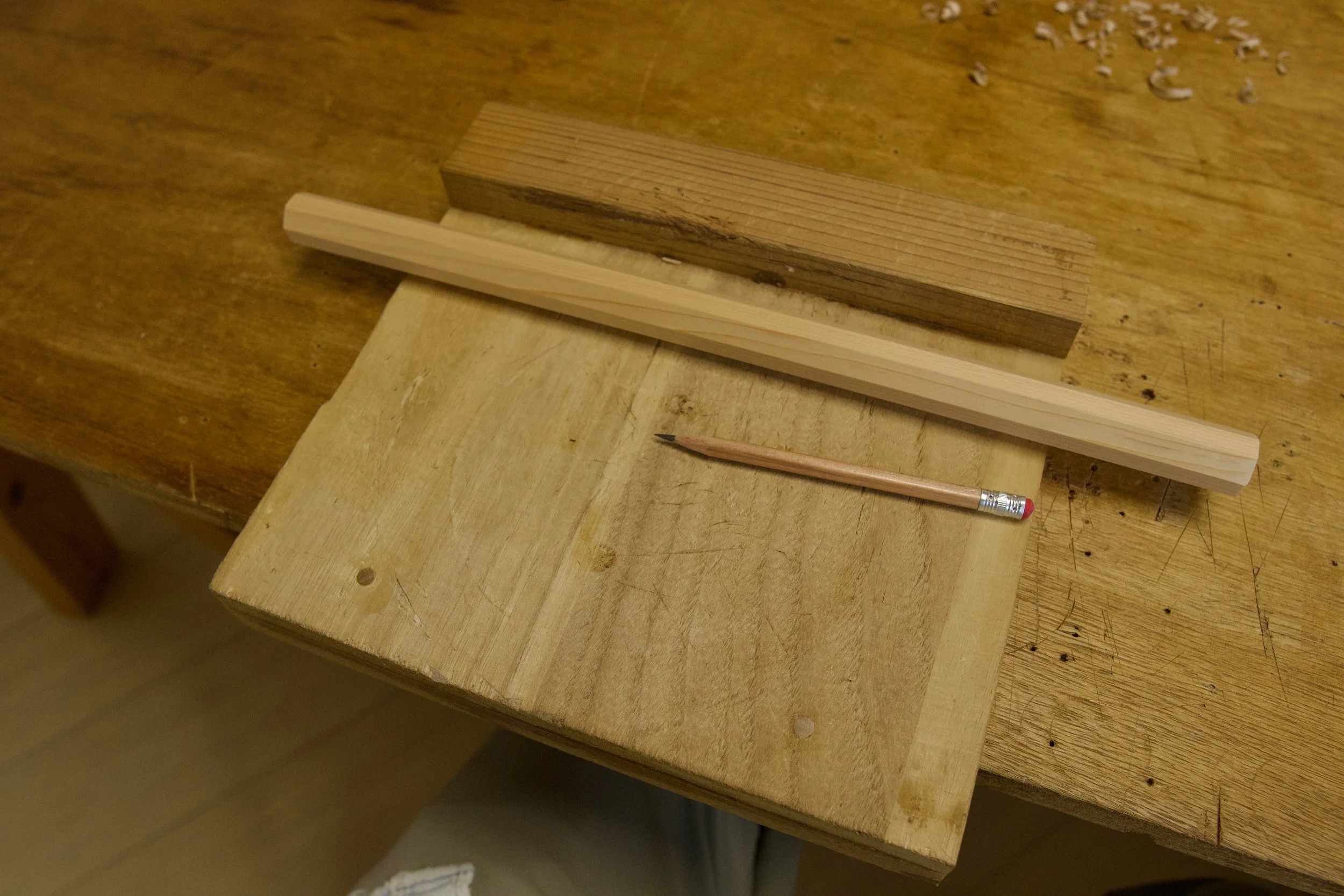
With a hexagonal shaped stick of wood, we learn how to carve a simple sphere
Rather than simply following a template, the process encourages you to understand how the wood responds to each cut. By the end of the lesson, a simple block of wood has been transformed into a sphere, providing a satisfying introduction to the basic techniques that can be applied to more complex forms.
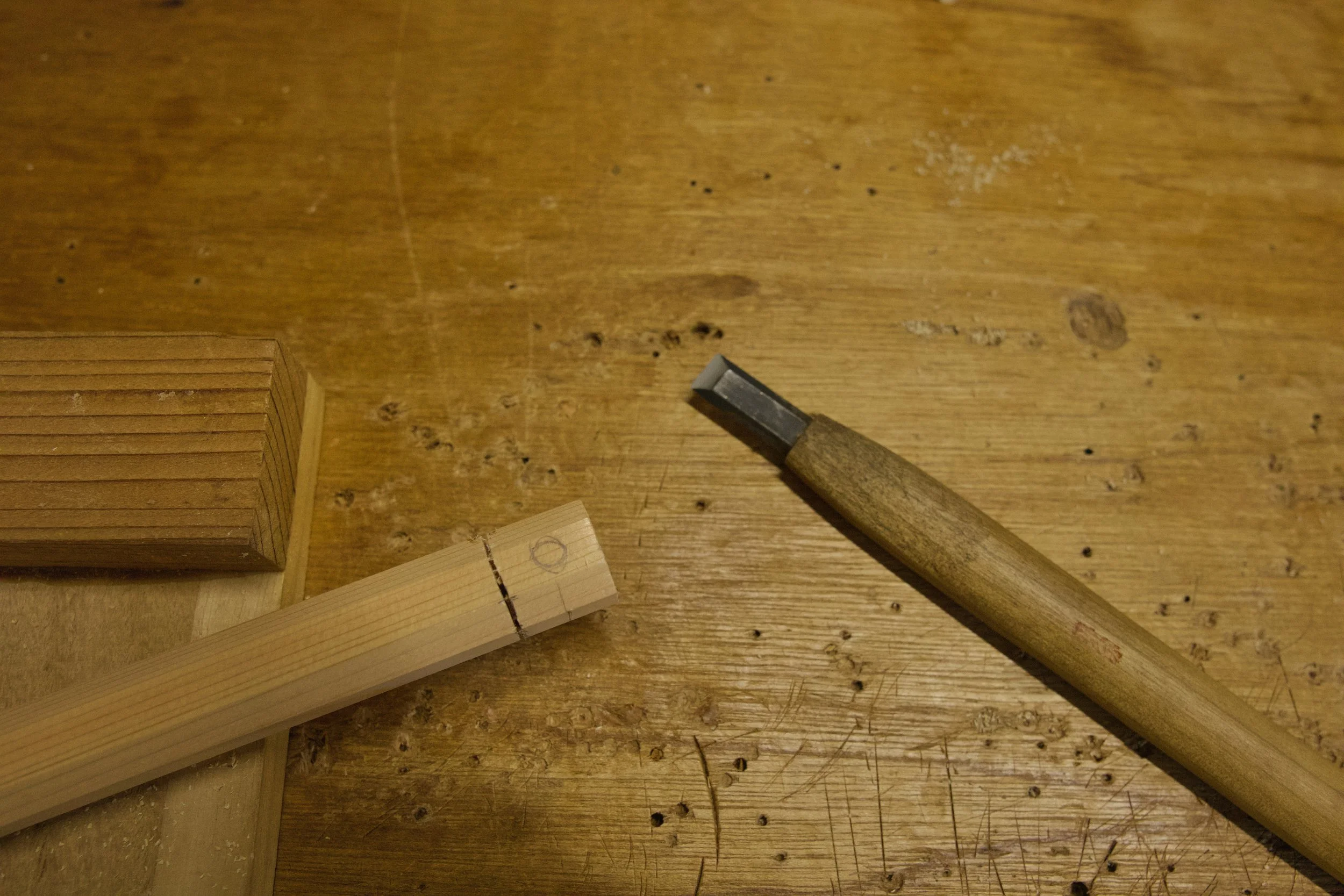
Once the basic shape and size of the sphere have been marked on the wood in pencil, the first cuts can be made, with the centre of the sphere carefully indicated as a guide. Although the instructor provides guidance throughout the process, you are encouraged to draw the lines and mark the wood yourself.
This hands-on approach gives you a sense of independence from the very beginning, while also helping you develop a better understanding of how the shape will gradually emerge from the block of wood.
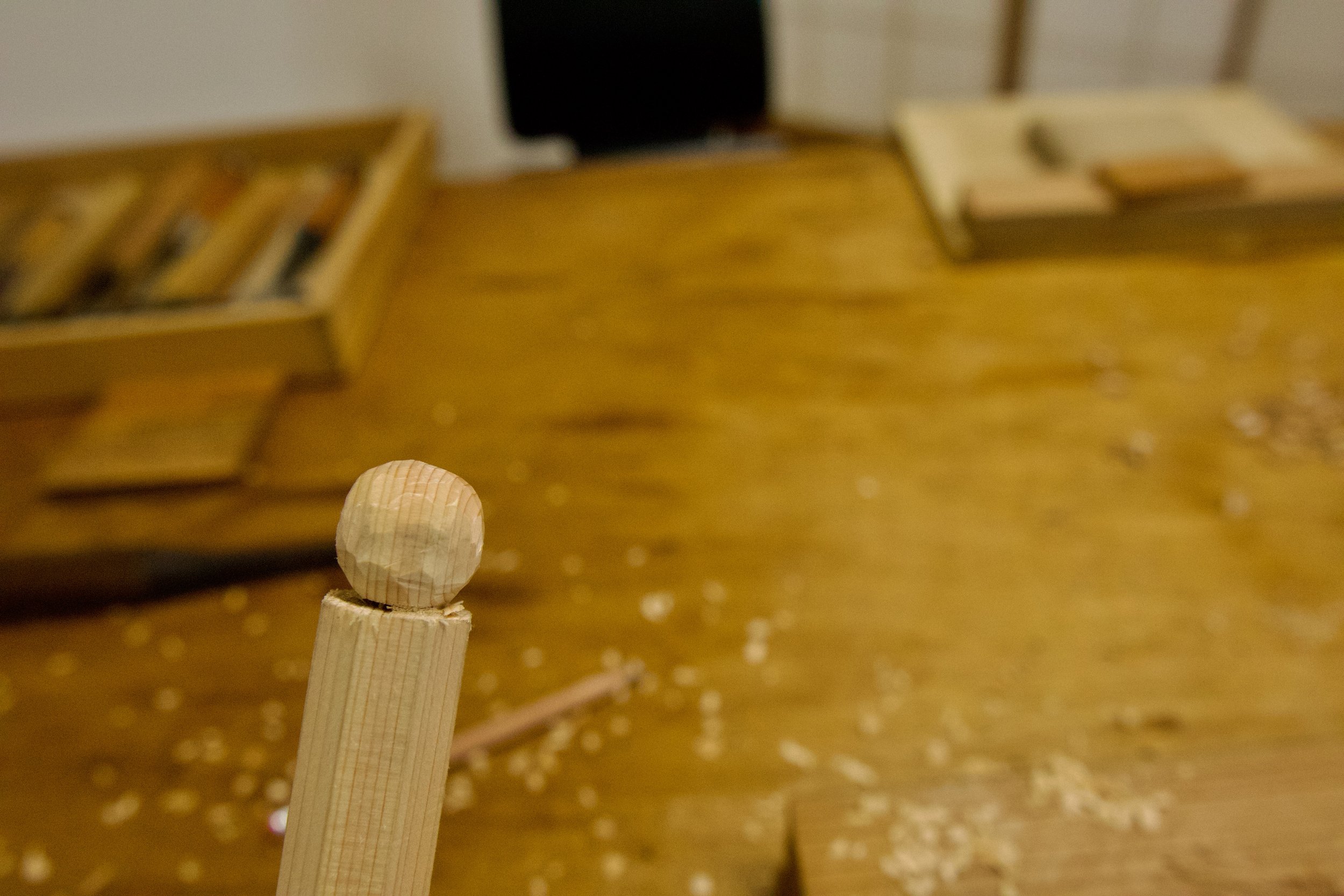
After chiseling away for about 30 minutes, the basic shape, although imperfect, begins to emerge. The key is to work slowly, making small cuts rather than trying to remove too much wood at once. Following the grain and regularly turning the piece helps keep the sphere balanced, while lighter cuts allow you to gradually refine the shape as you get closer to the final form.
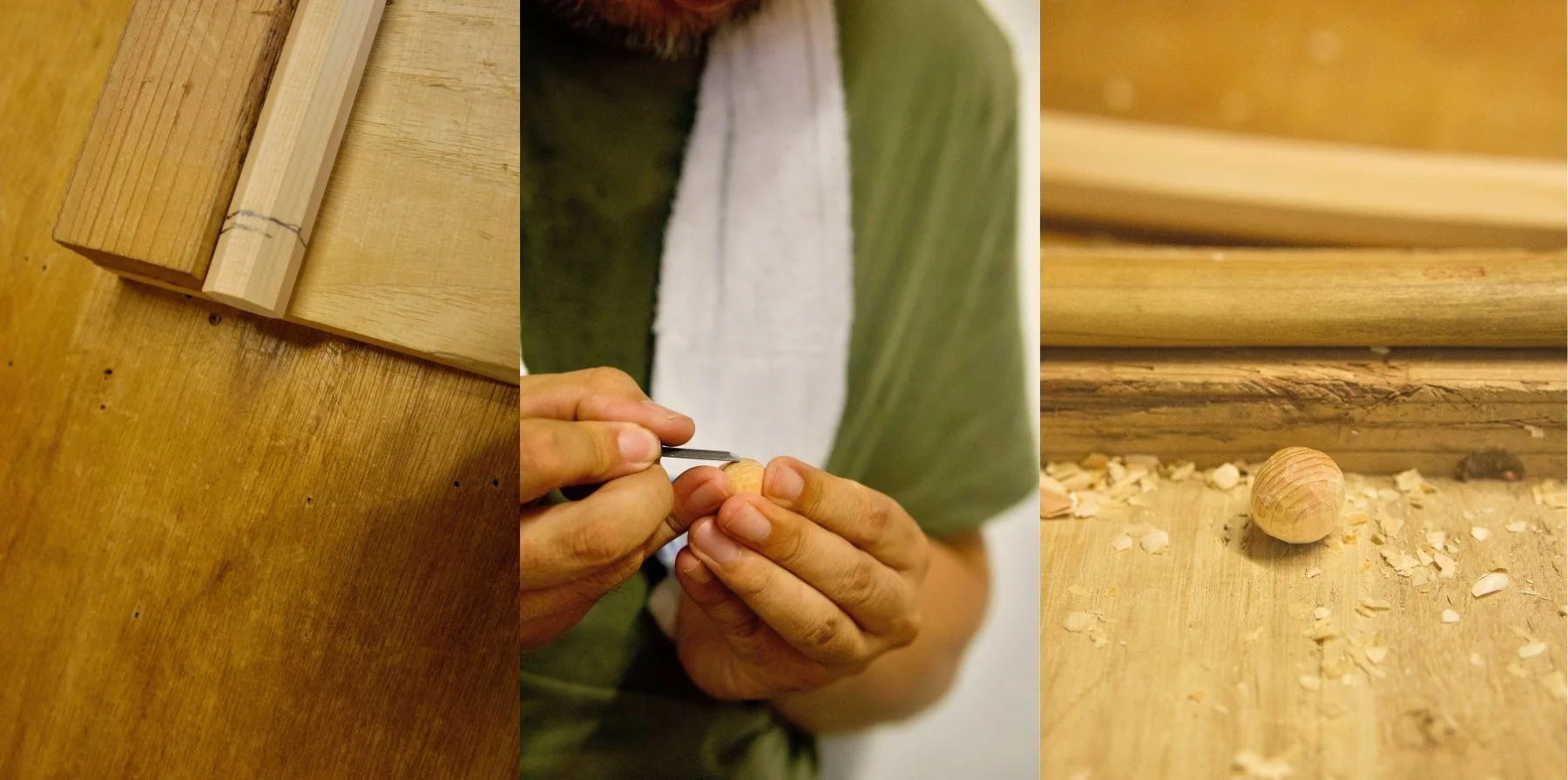
From start to finish: A sphere is formed
The Second Class
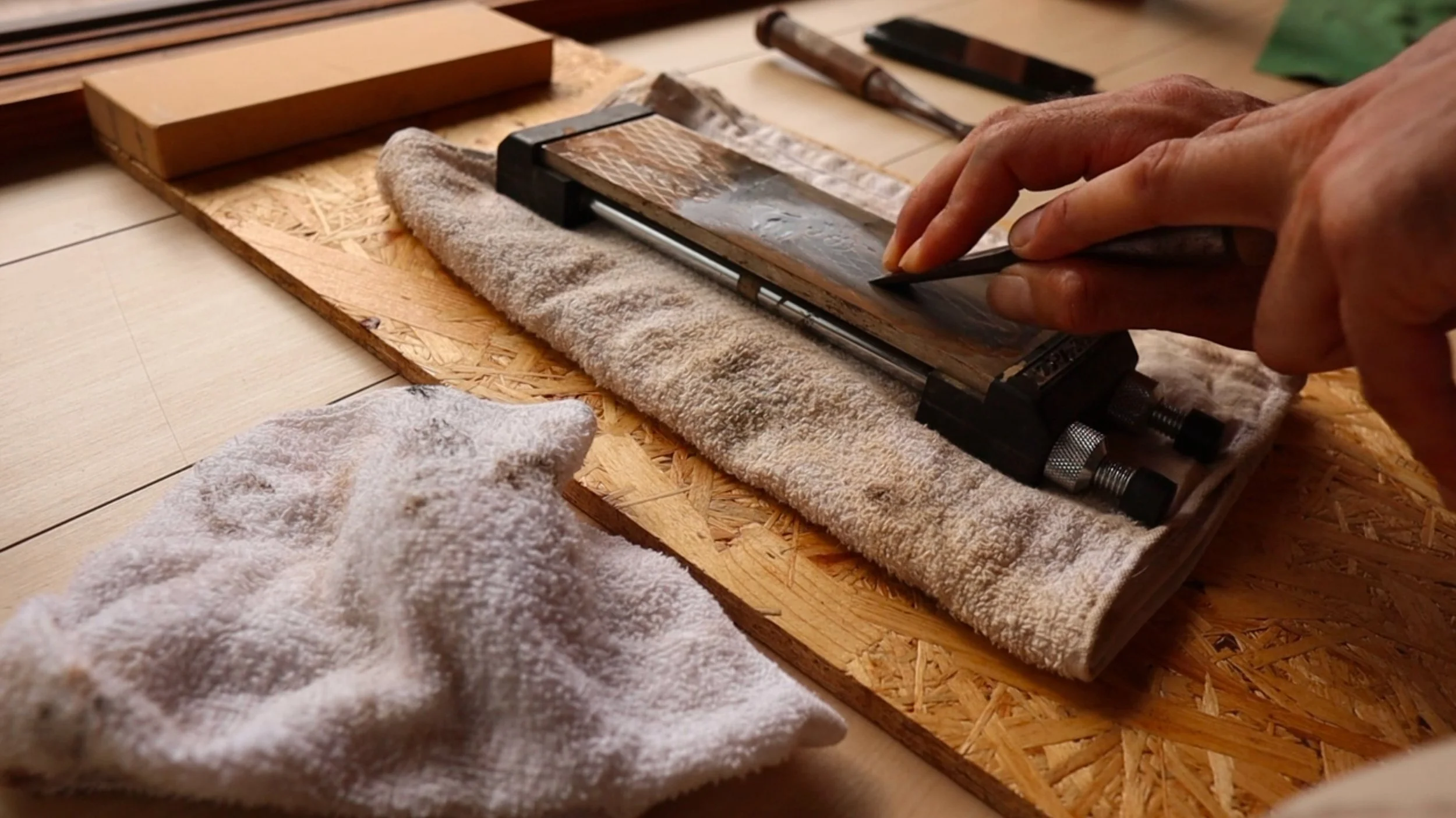
The second class focused on another essential part of woodworking: keeping your tools sharp. I was shown how to sharpen chisels using a whetstone, learning how to hold the blade at the correct angle and move it steadily across the stone to create a clean, sharp edge. Although sharpening may seem like a small part of the craft, it is an important skill for anyone working with wood.
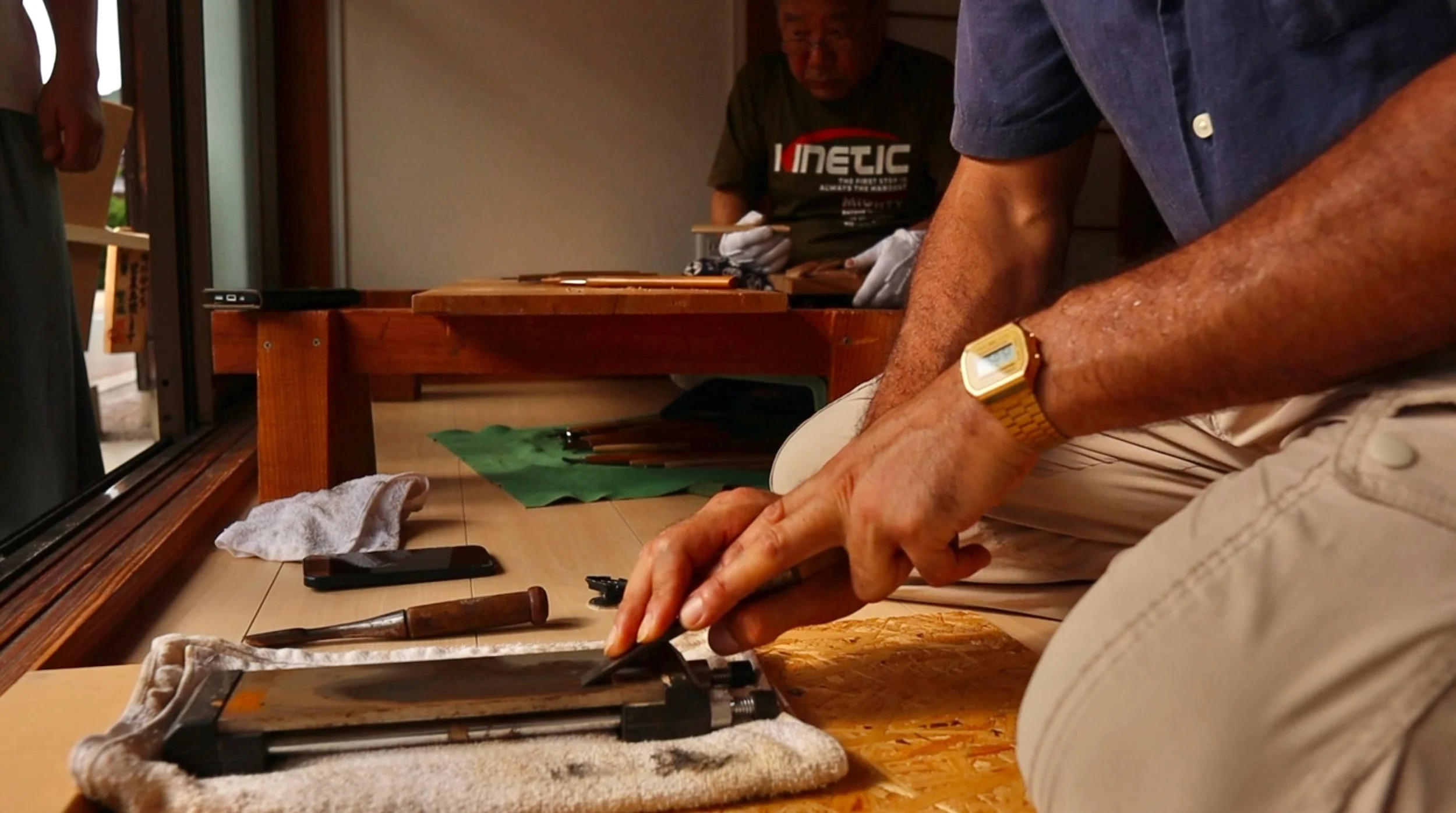
A well-sharpened chisel allows for greater control and precision, while also making the carving process smoother and more enjoyable. Learning this traditional technique gave me a greater appreciation for the care and attention that goes into maintaining the tools of a woodworker.
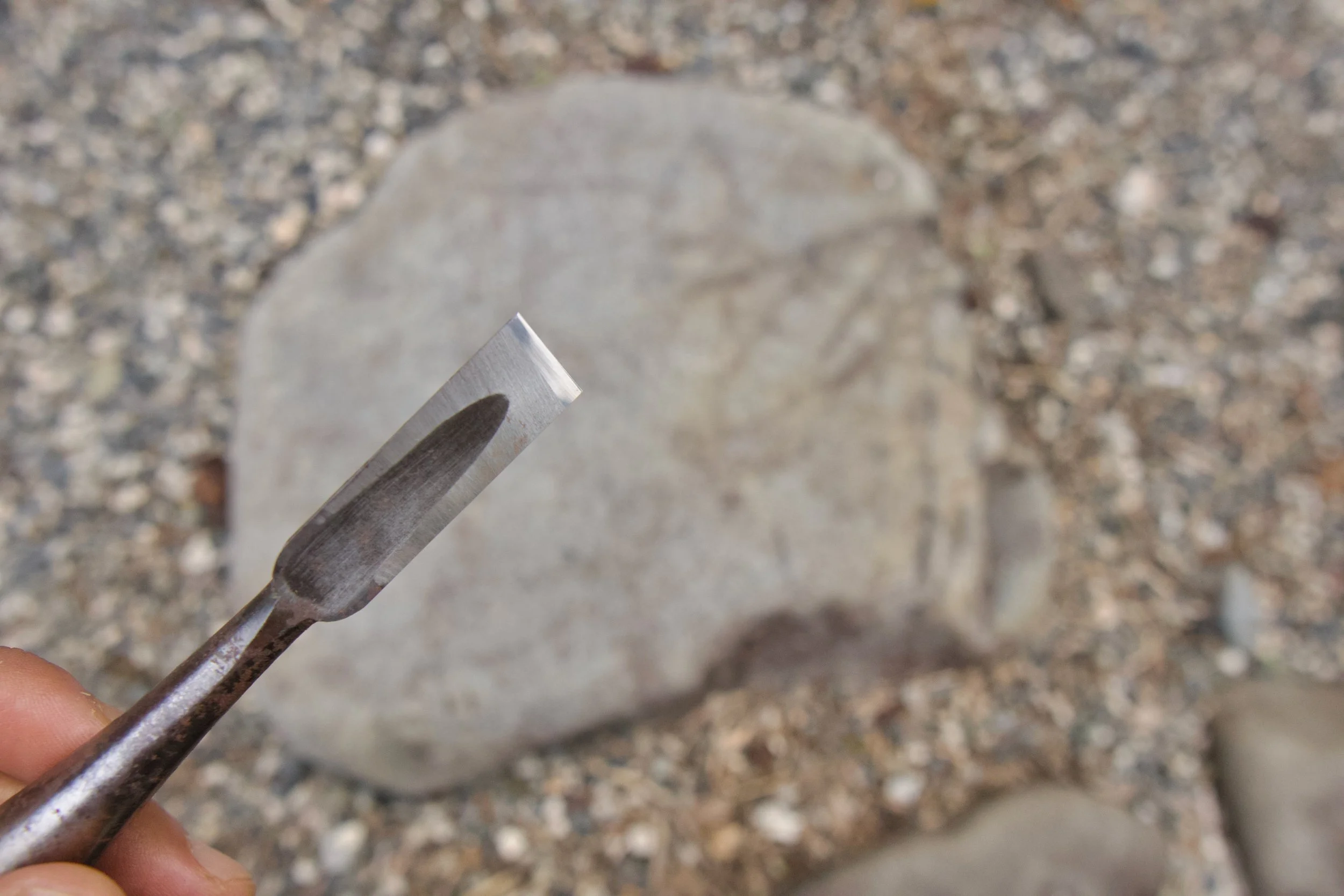
From a blunt blade to a sharpened tool
The class isn’t just about learning to carve your own creations. Part of the enjoyment comes from seeing what other participants are working on and discovering how each person approaches the same craft in a different way.
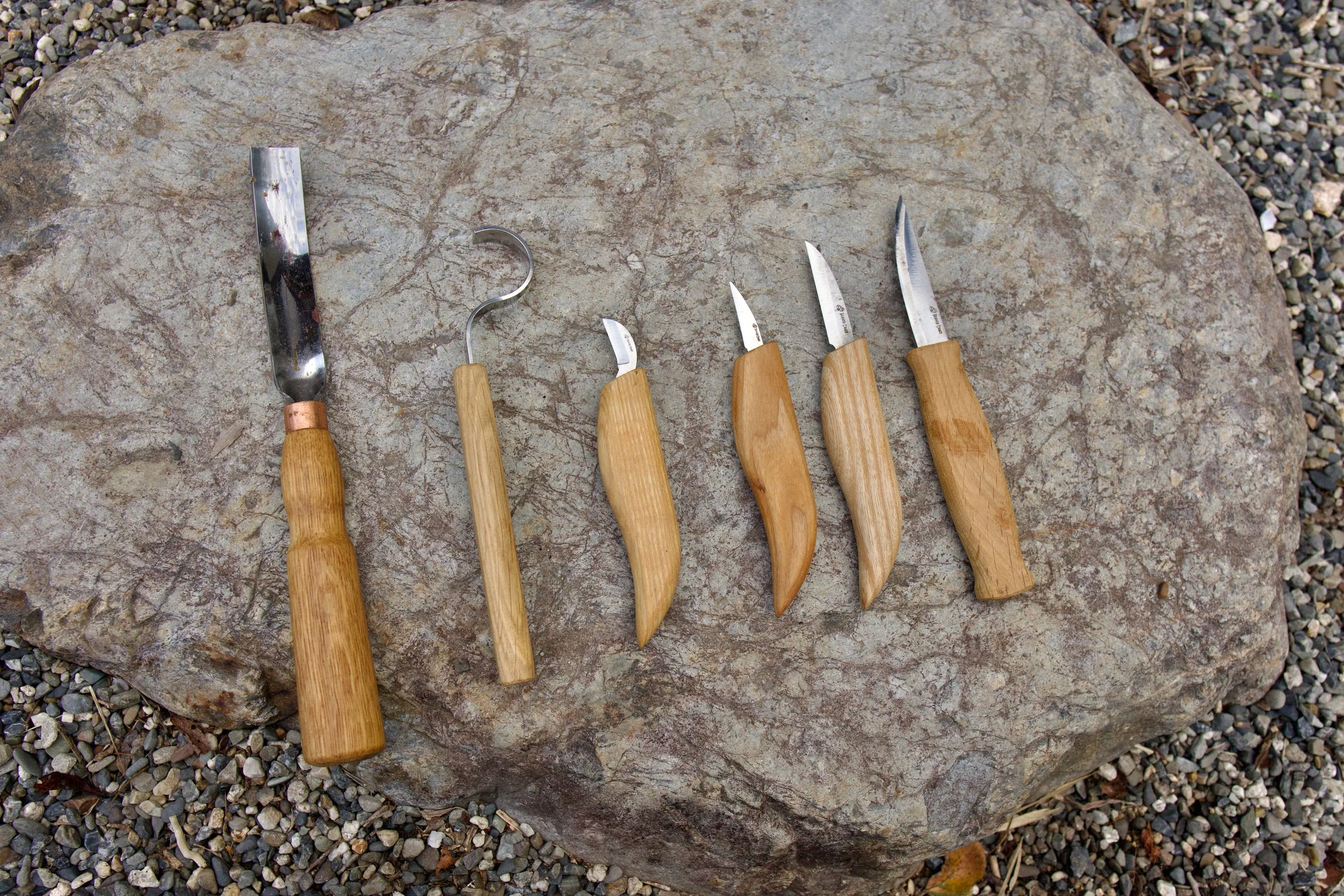
The workshop also provides an opportunity to learn directly from the master carver and his apprentice, whose experience and individual approaches offer plenty of inspiration.
The woodcarving class is also an opportunity to share knowledge and techniques. During the second class, I brought along my own Western carving set and had the chance to learn about the differences between Western and Japanese approaches to woodcarving. Comparing the two gave me a greater appreciation for the techniques and traditions behind each style.
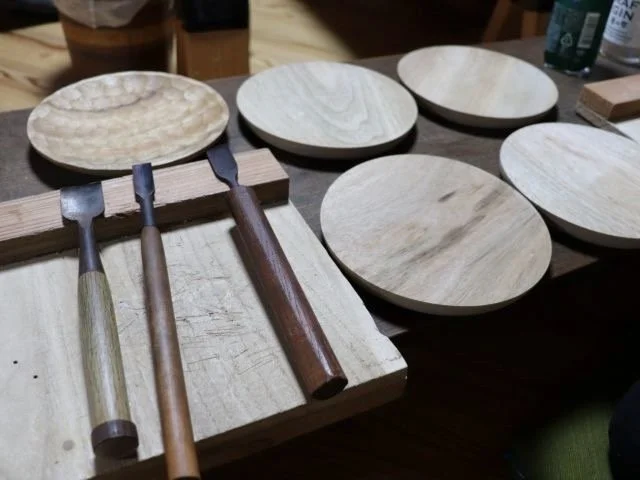
For those looking for a shorter introduction to woodcarving, Niino-san also offers a hands-on experience where you can create your own wooden bread plate. Over approximately two hours, participants use carving knives to shape an 18-centimetre round or square plate, creating their own patterns by working with the natural grain of the wood.

A Special Experience of Wood Carving and Kumagawa-juku
Whether you are looking to discover woodcarving as a casual hobby or hoping to develop your skills more seriously, this hands-on experience offers a rewarding introduction to the craft. With guidance from master woodcarver Niino-san, you can learn the fundamentals, gain practical knowledge about tools and techniques, and experience the satisfaction of creating something with your own hands.
Wood Carving Classes & Hands-On Experience Information
How to Book
Please contact the workshop through the website below to inquire about availability and reservations.
Niino Chokoku official website
Experience Fee: ¥2,500 (tax included)
Duration: Approximately 2 hours
Materials: Tool rental included
Group Size: Available for individuals and groups of one or more
Location: 16-36 Kumagawa, Wakasa Town, Mikata-Kaminaka District, Fukui Prefecture
Wooden Bread Plate Carving Experience
Experience Details
Using carving knives, you will carve a wooden plate approximately 18 cm in diameter, available in either a round or square shape, creating your own unique pattern that highlights the natural grain of the wood. Surrounded by nature in a quiet and peaceful setting, this is an opportunity to immerse yourself in the creative process.
As you carve your chosen pattern, you will discover how different tools create different effects in the wood grain, revealing a variety of beautiful patterns as you work. Enjoy the relaxing process of creating something entirely your own.
Time: 1:30–3:30 p.m. (approximately 2 hours)
Experience Fee: ¥6,000 per person (tax included)
Materials: Tool rental included
Location: 16-36 Kumagawa, Wakasa Town, Mikata-Kaminaka District, Fukui Prefecture
Group Size: Available for individuals and groups of one or more
福井県地域おこし協力隊
敦賀・若狭エリア魅力発信ライター ブライアン・キース・イーストレイク
インスタグラムでも日々発信をしています。
こちらもぜひご覧ください!