Discover the Peace Mask: Art, Washi and Reflection in Takahama
Create a life-sized mask of your own face in an evocative artistic experience that invites reflection on peace, identity, and the connections between cultures.
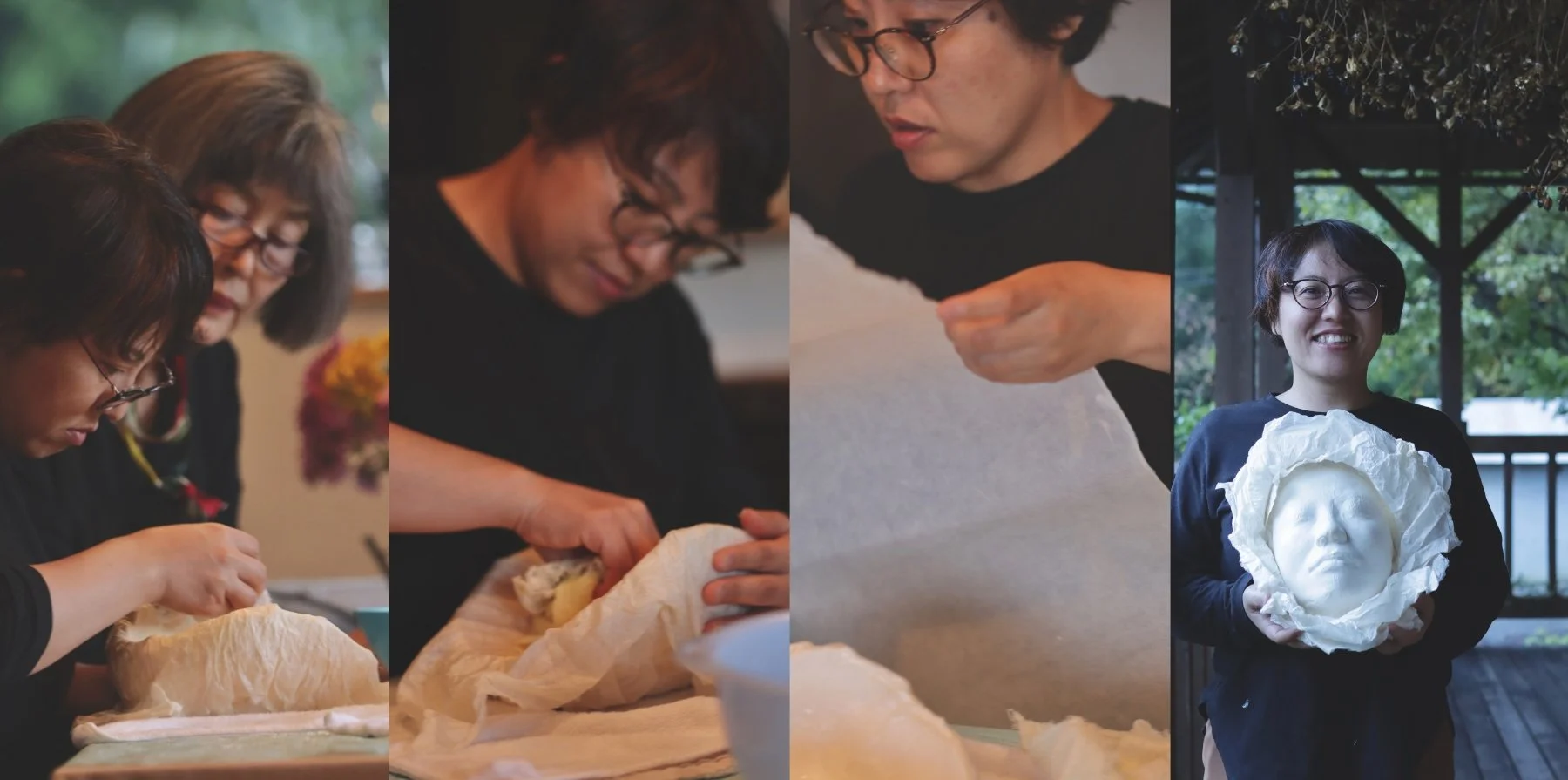
In the foothills of Mt. Aoba in Takahama, Fukui, Korean-born artist Myong Hee Kim has created a unique experience that brings together traditional Japanese washi, contemporary art and a message of peace.
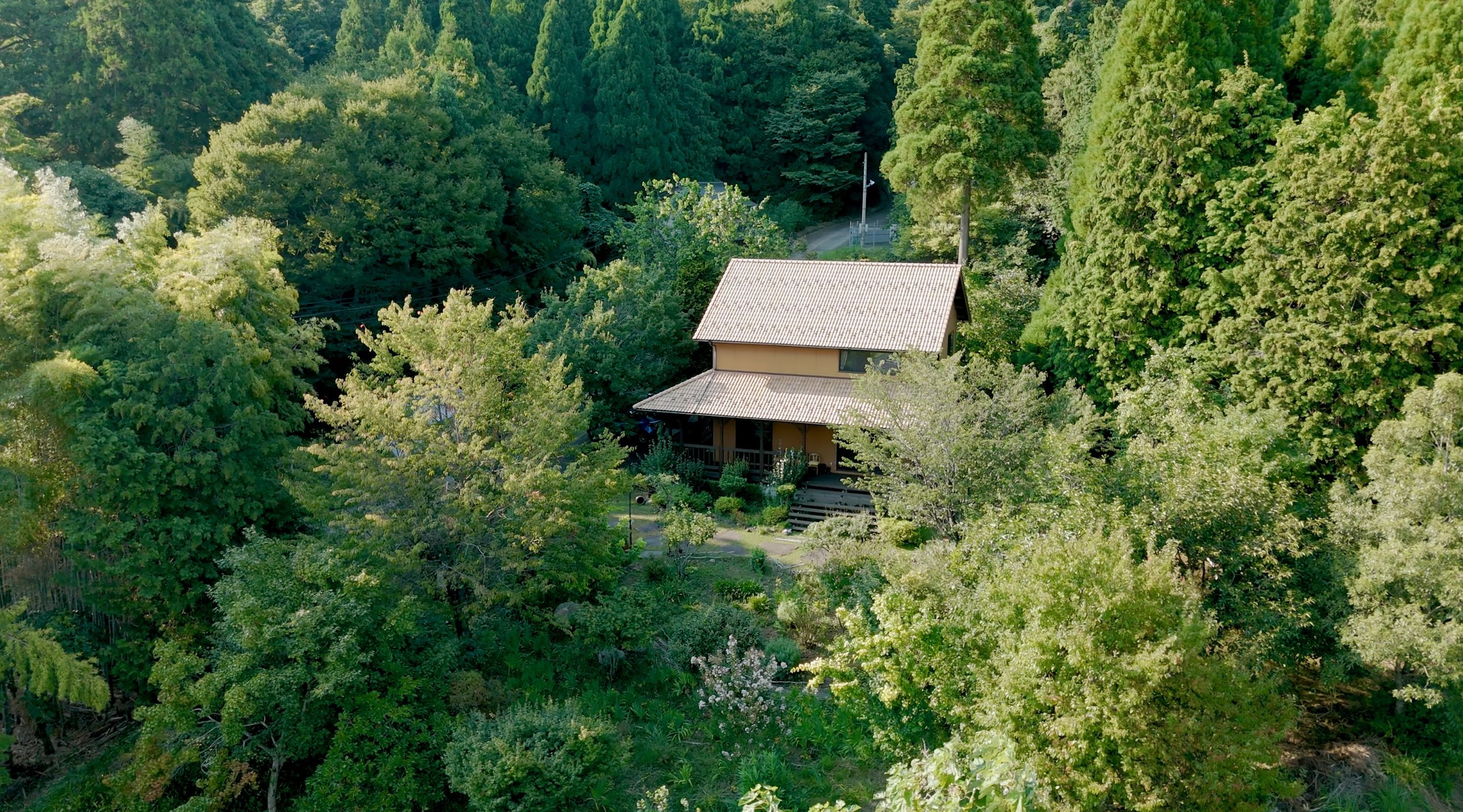
Guest House Imadera, where visitors are introduced to the Peace Mask experience
Through this experience, visitors are invited to have a paper mask carefully formed from the contours of their own face, becoming part of an artistic project that has connected people across cultures for more than two decades.
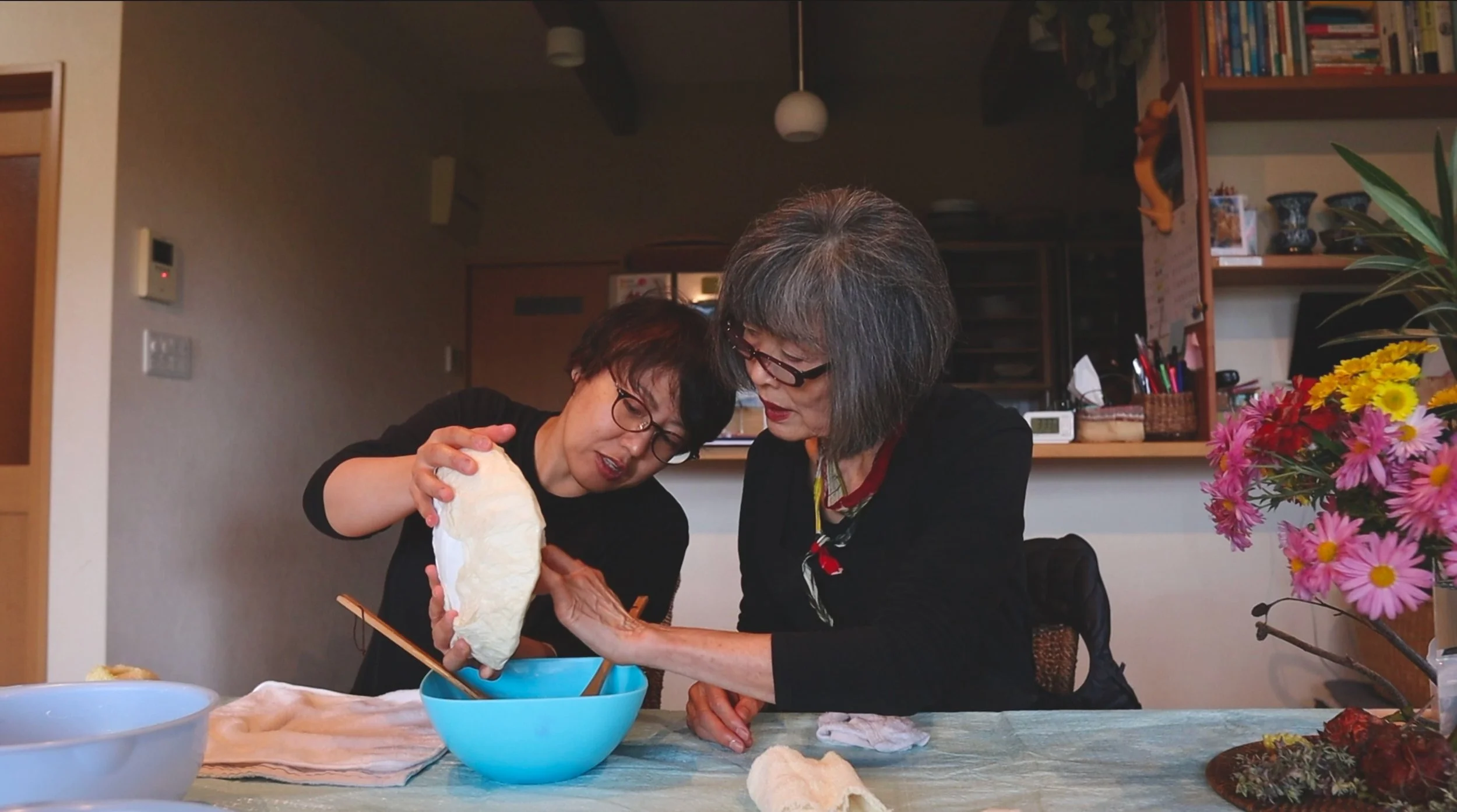
Part of what makes the Peace Mask experience distinctive is its setting. Myong Hee Kim’s home is nestled at the foot of Fukui's iconic Mt. Aoba, surrounded by the quiet countryside of Takahama and far from the busy streets and crowded tourist destinations of Japan's major cities.
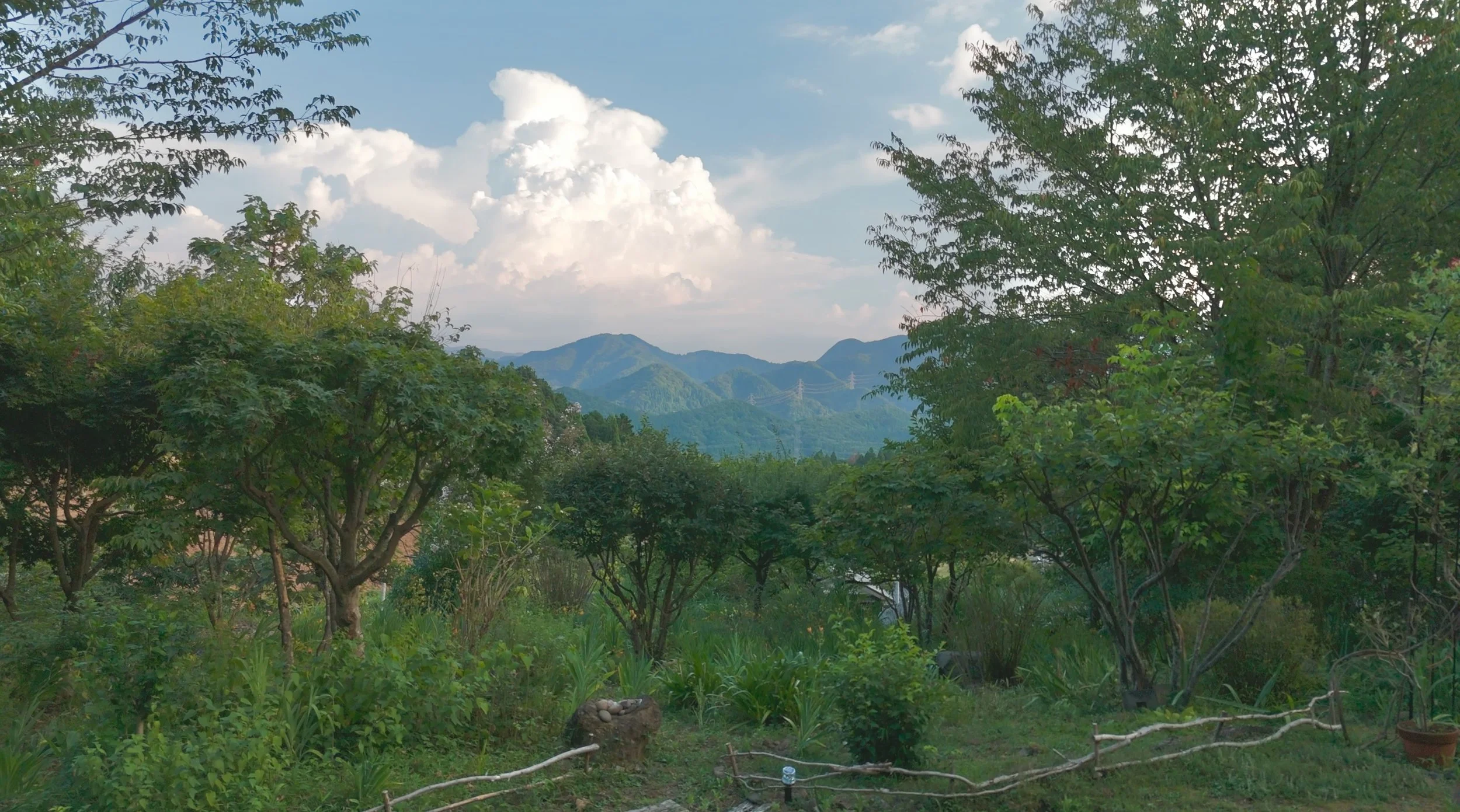
Here, the landscape provides a natural backdrop for an experience that encourages visitors to slow down, step away from the distractions of everyday life and see a familiar face—your own—from an entirely different perspective.
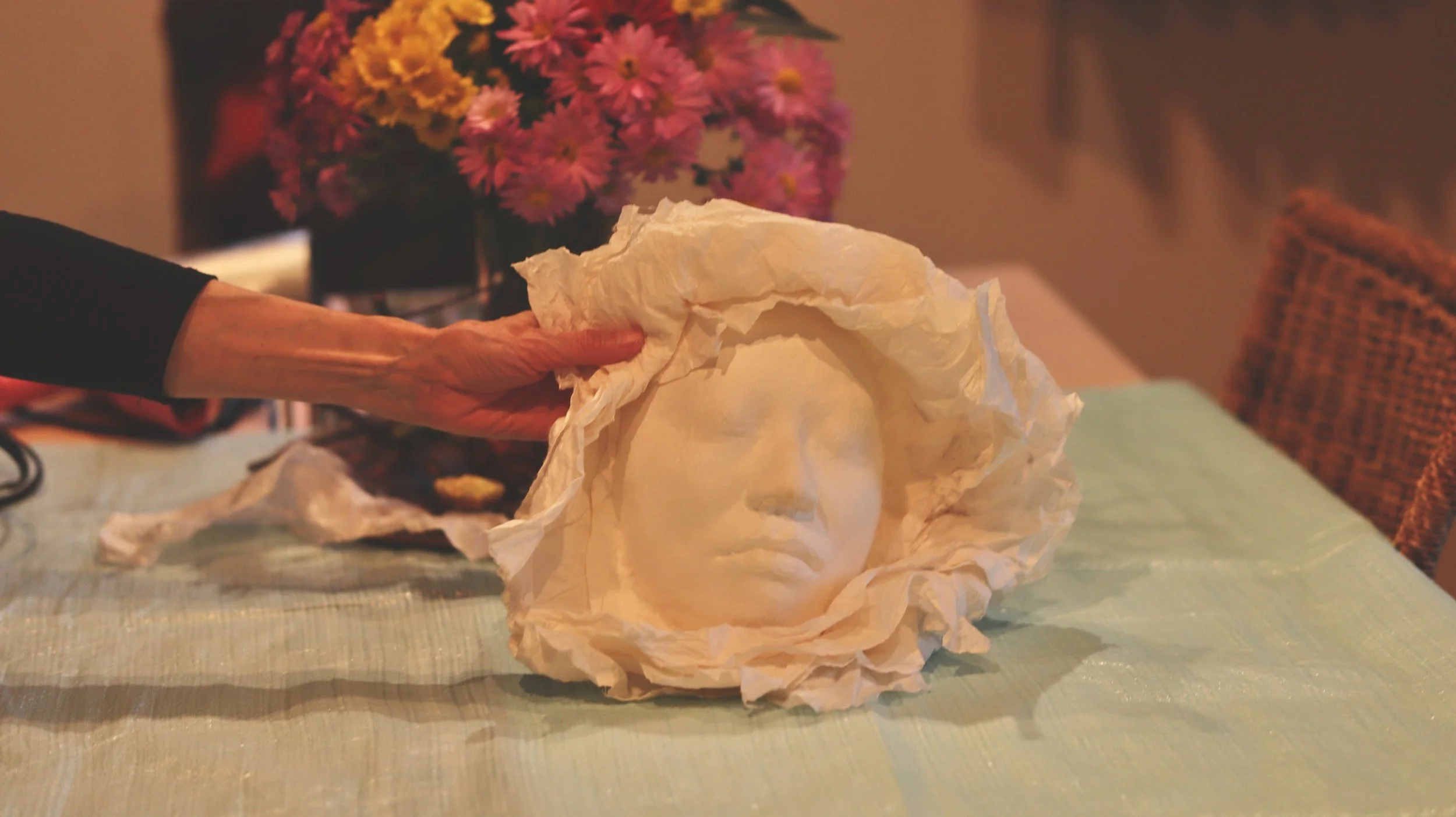
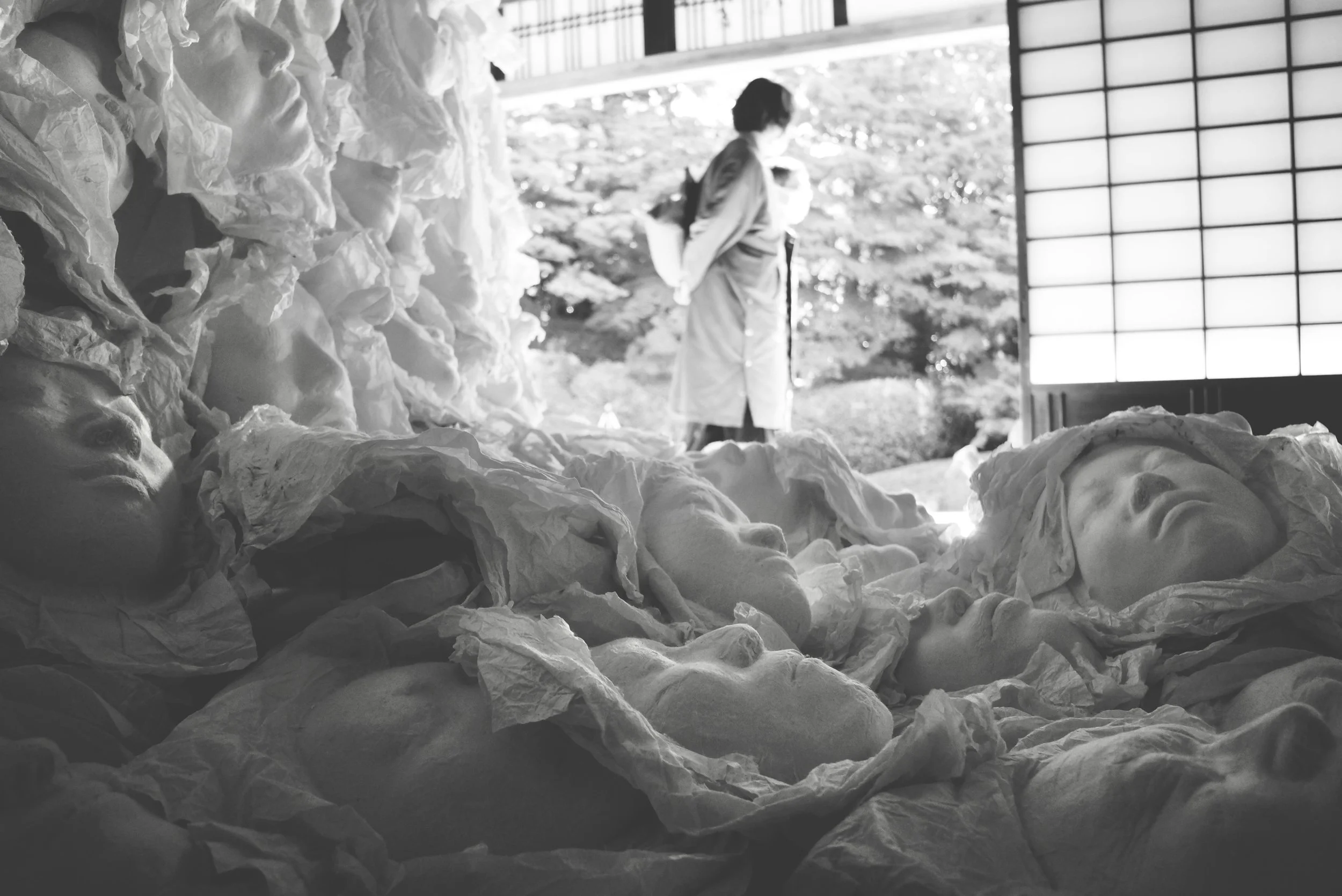
An example of the paper mask guests can create during the experience
An Experience That Begins With Your Own Face
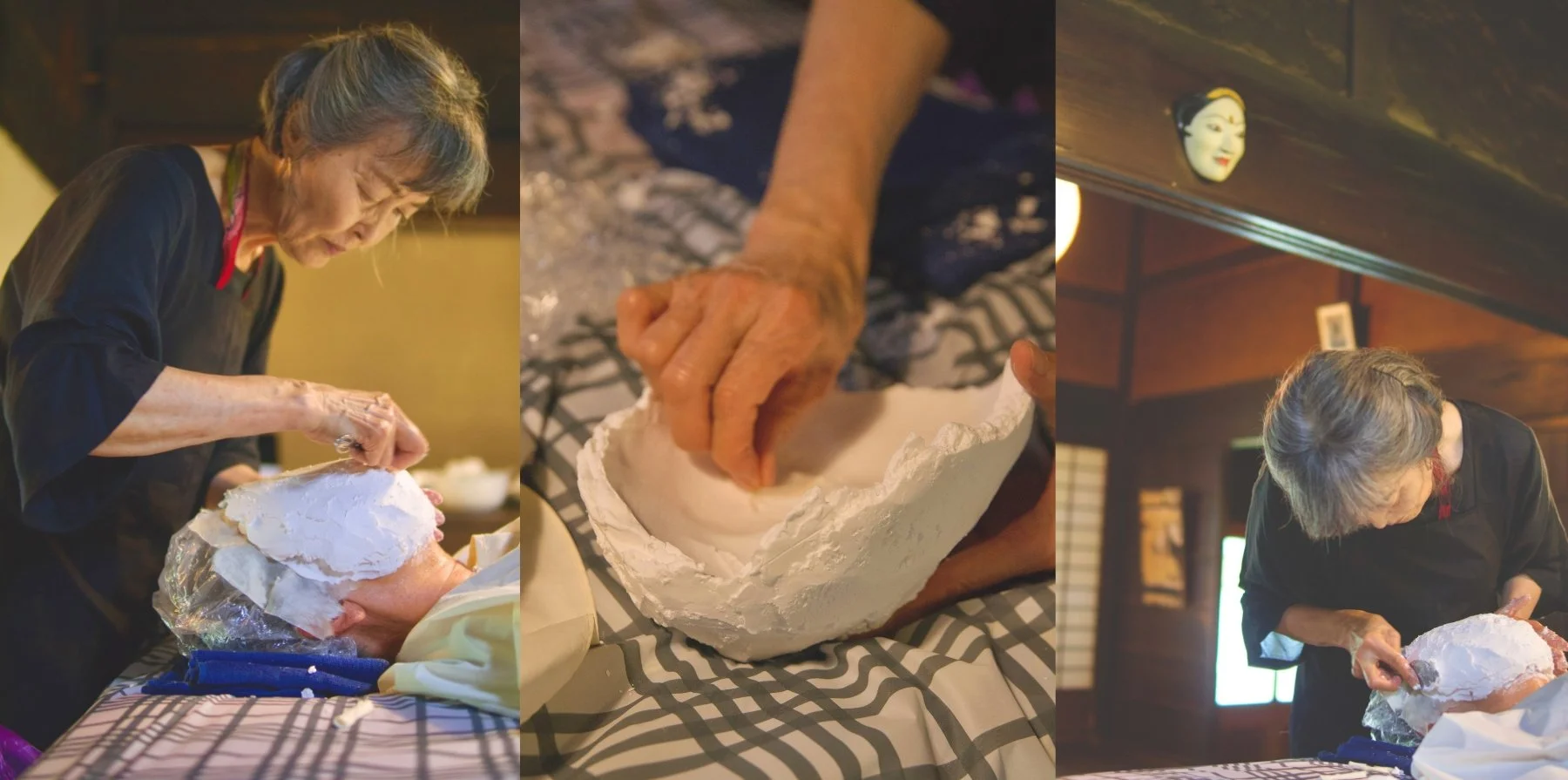
As Myong Hee Kim works around your face using handmade Echizen washi, you are asked to remain still with your eyes closed. With little to do except relax and wait, your awareness of the outside world gradually fades. What begins as an unusual artistic experience becomes an opportunity to pause, look inward and encounter your own face in a way that mirrors and photographs cannot provide.
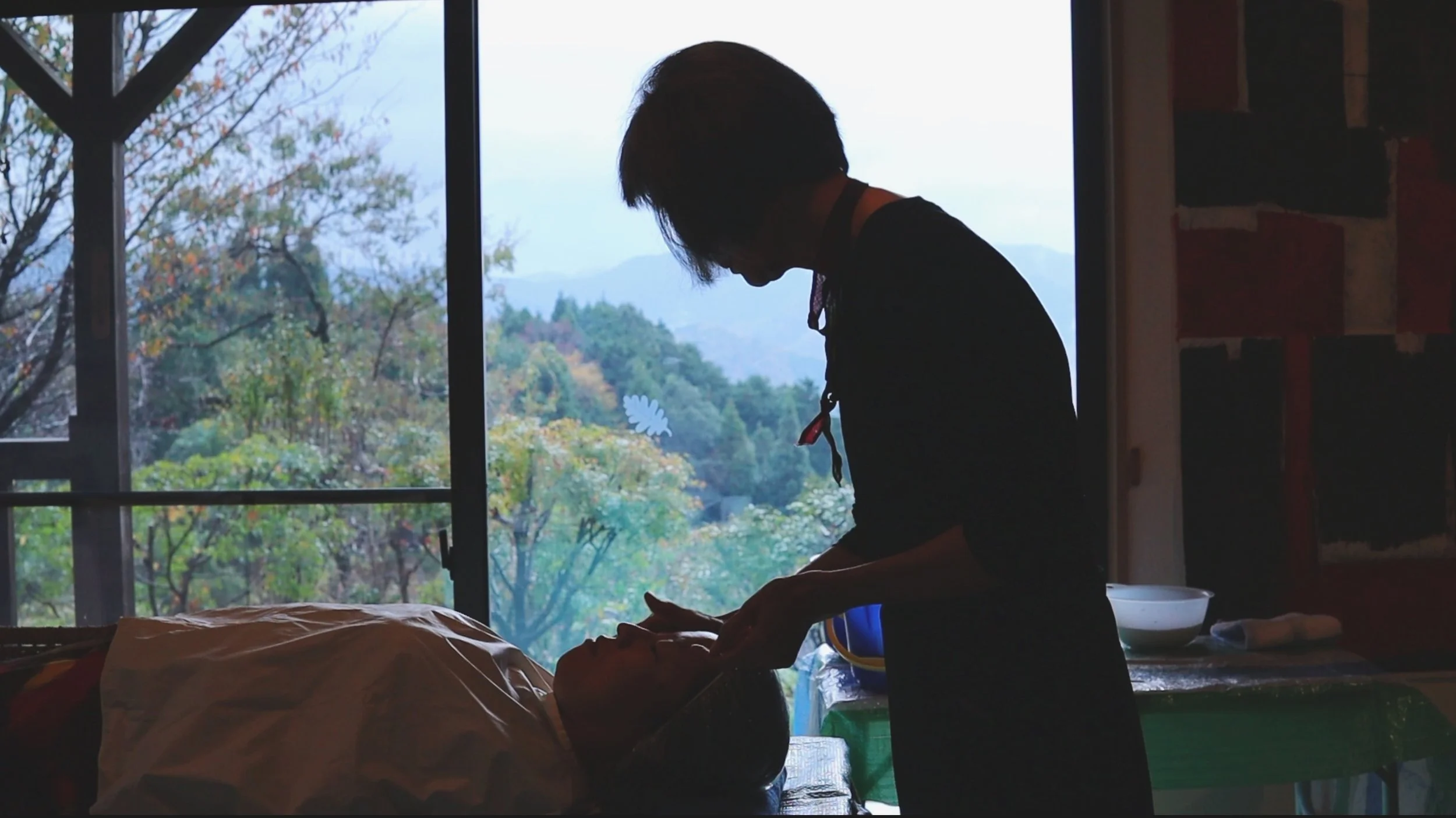
We are accustomed to seeing our own faces in mirrors, photographs and smartphone screens. Having your face reproduced as a physical work of art, however, is something entirely different.
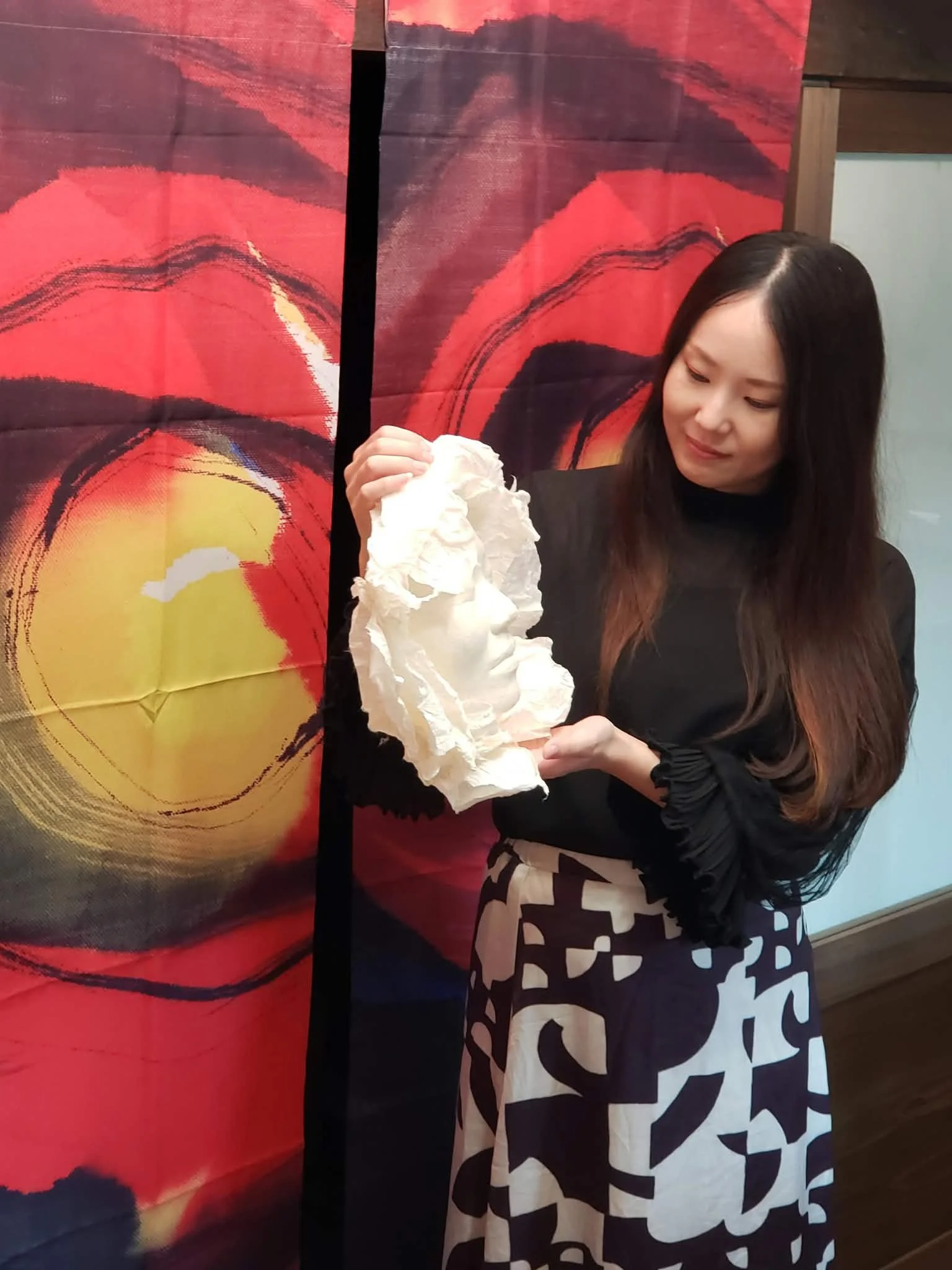
When the mask is removed, seeing your own features reproduced in washi can be surprisingly moving. Familiar details appear in an unfamiliar form, offering a different way of seeing something you normally take for granted.
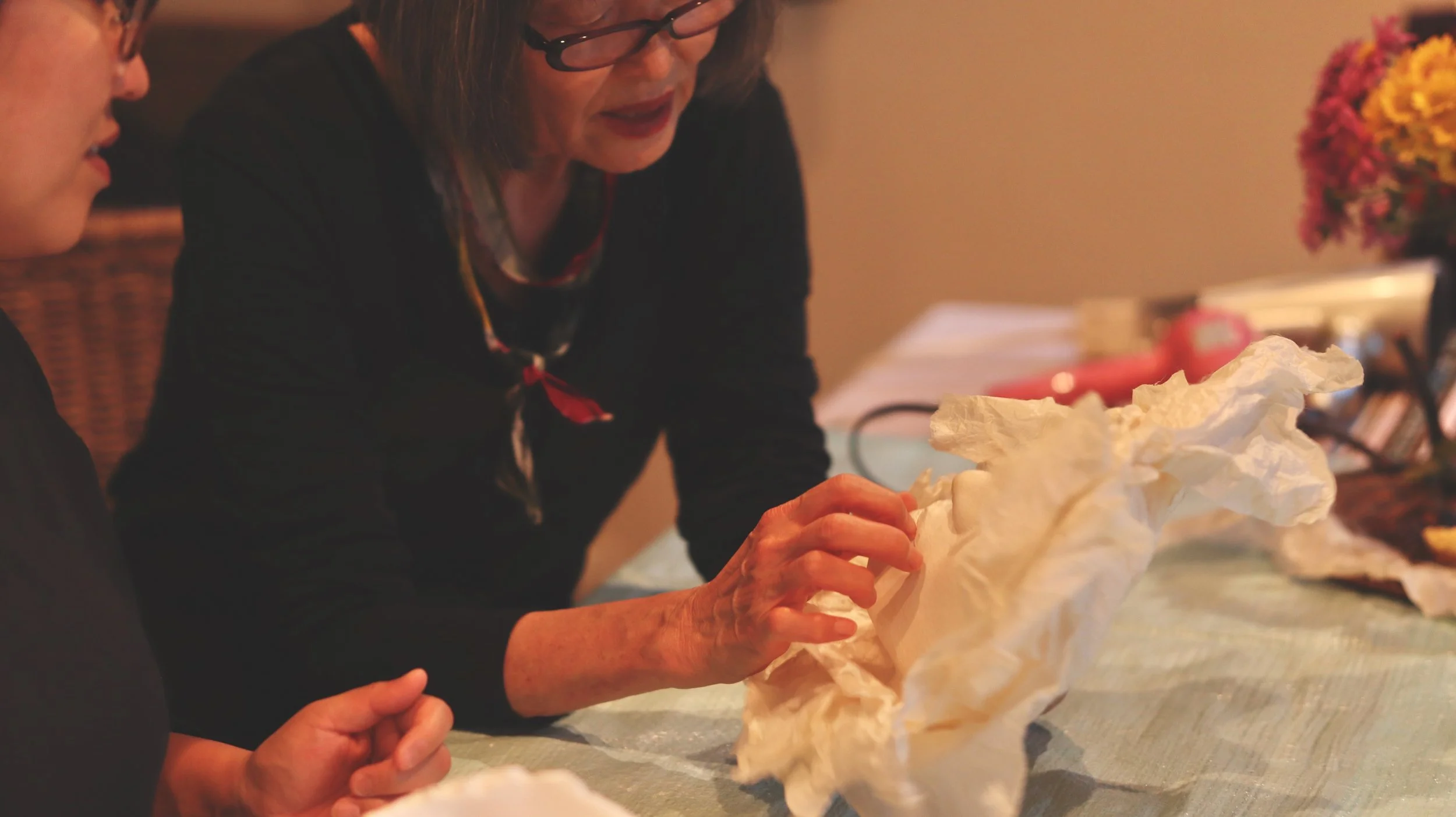
In this way, the personal experience of making a mask connects to the wider philosophy of the Peace Mask Project: beginning with one face, and gradually revealing the common humanity shared by many.
An Experience That Begins With Your Own Face
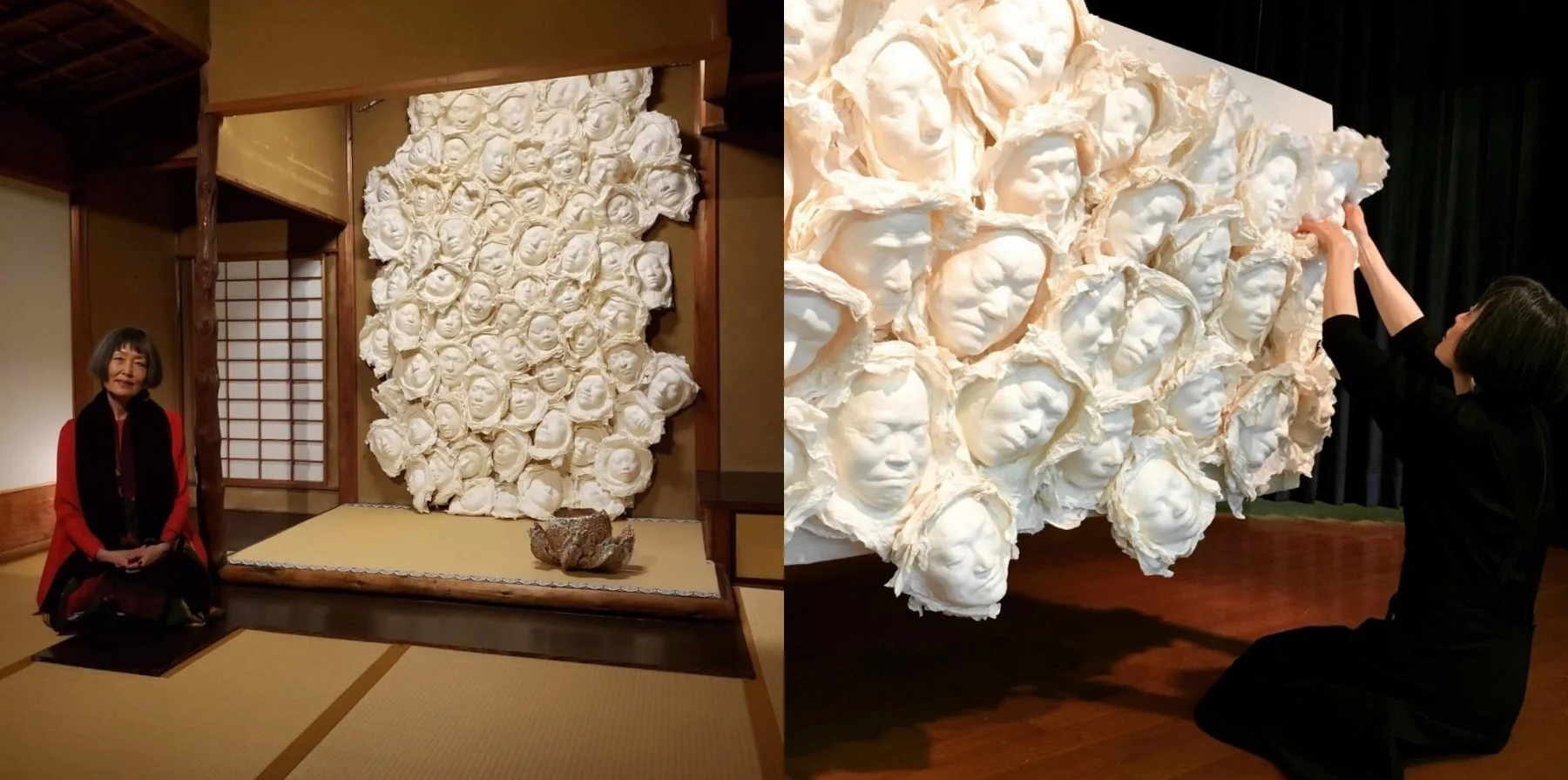
At the heart of this experience is Myong Hee Kim, a Korean-born artist who has lived and worked in Japan for over three decades. Born in Seoul, she later came to Japan and eventually established herself in the town of Takahama,Fukui. Her experience of living between cultures has influenced her artistic work and contributed to her interest in creating opportunities for people from different backgrounds to encounter one another.
The Peace Mask Project began in 2000 with the Japan-Korea Life Mask Project, which ran until 2002 and produced 1,580 masks. Over the following two decades, the project expanded through workshops and exhibitions in South Korea, the United States, India, Spain, Finland, Cambodia and elsewhere. It also developed a growing focus on themes of peace, history and reconciliation. Through the Peace Mask East Asia Project in 2014–2015, Myong Hee Kim worked with people in Japan, China and Korea, while in 2018 she partnered with Women Peace Makers, an NGO in Cambodia, to conduct workshops there.
The project's work with hibakusha (atomic bomb survivors) became another important part of this focus. From 2016 to 2017, the Peace Mask Team created 100 masks of first- to fourth-generation hibakusha and their descendants from Hiroshima and Nagasaki. The 100 Hibakusha Peace Masks were subsequently exhibited at the United Nations Conference Centre in Bangkok in 2018. To commemorate the 80th anniversary of the end of World War II, Kim was later invited to hold workshops and exhibitions at Wilmington College in Ohio, USA. In 2025, the university's Peace Resource Center officially acquired the 100 Hibakusha Peace Masks.
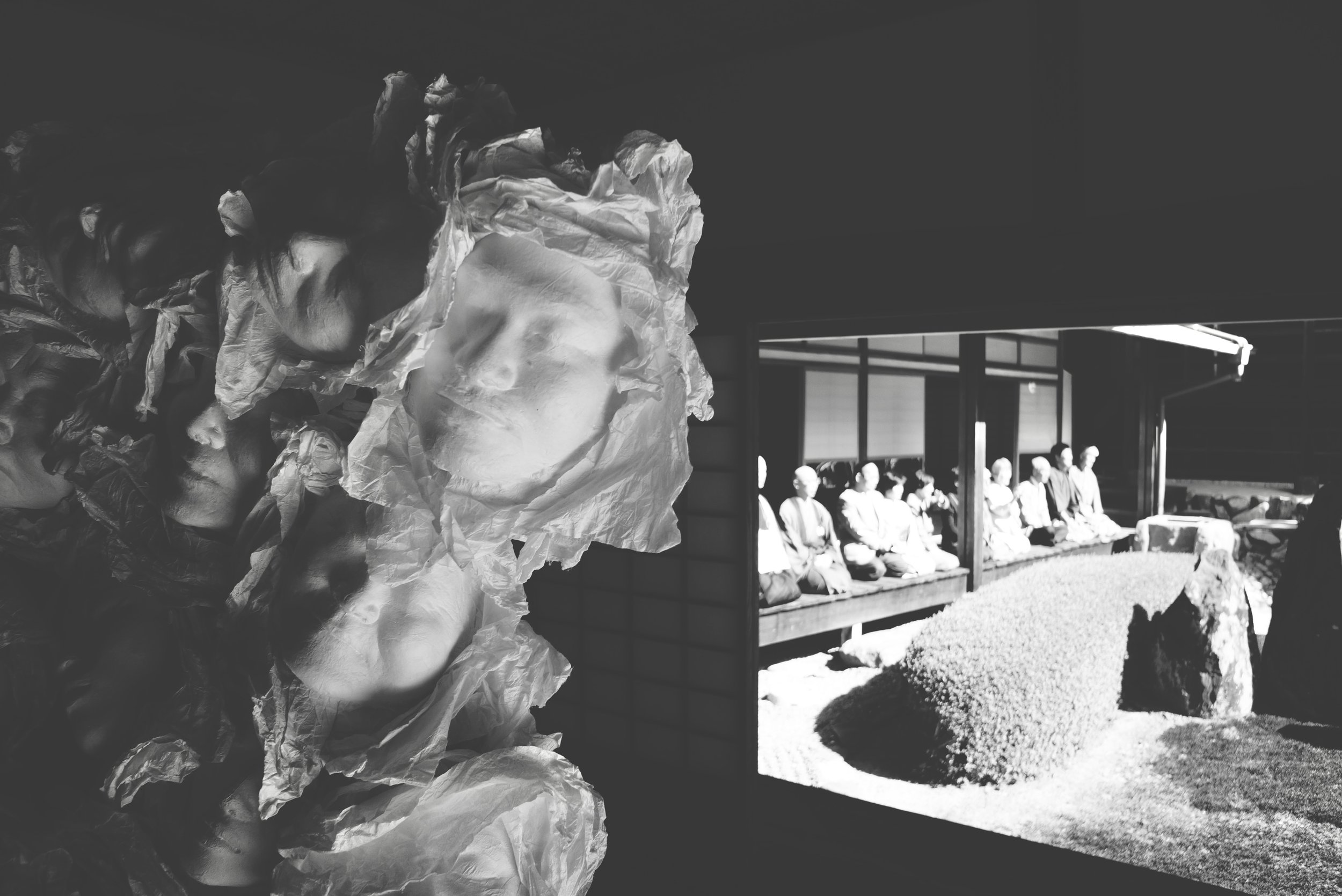
Peace Mask Exhibitions in Kyoto
For Myong Hee Kim, the human face has become both a canvas and a way of exploring what people share. Through the Peace Mask Project (PMP), she combines contemporary art, traditional Japanese washi and a message of peace. Rather than beginning with nationality, language or cultural identity, the project starts with something universal: the human face.
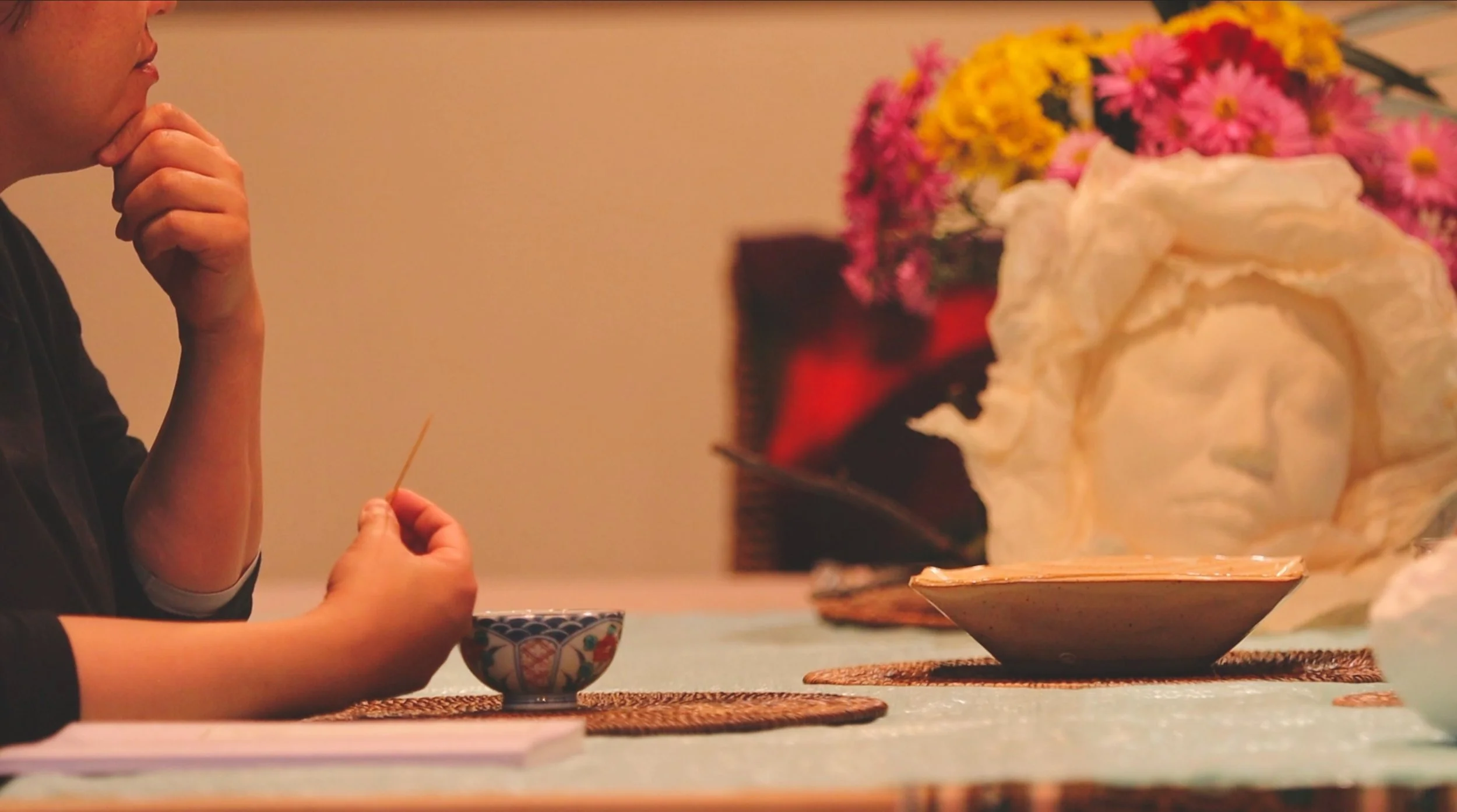
The masks are made using handmade Echizen washi, adding another distinctly Japanese dimension to the experience. Fukui has a long history of washi production, and the use of this traditional material connects Kim's contemporary artwork with one of the region's enduring crafts.
A Stay with the Artist
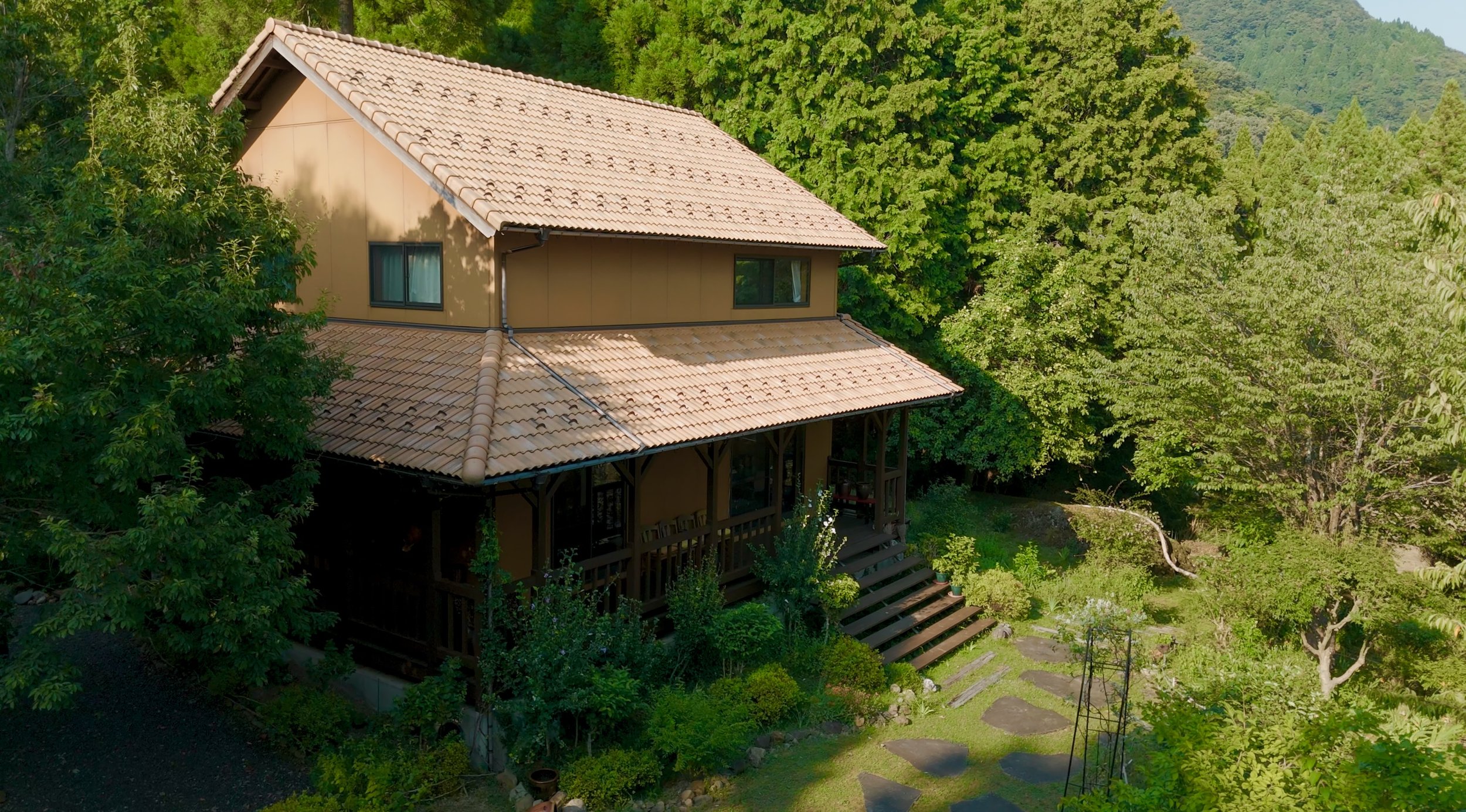
For those who want to spend more time in the area, Myong Hee Kim also welcomes guests to Guest House Imadera, her home in the small rural village of Imadera at the foot of Mt. Aoba.
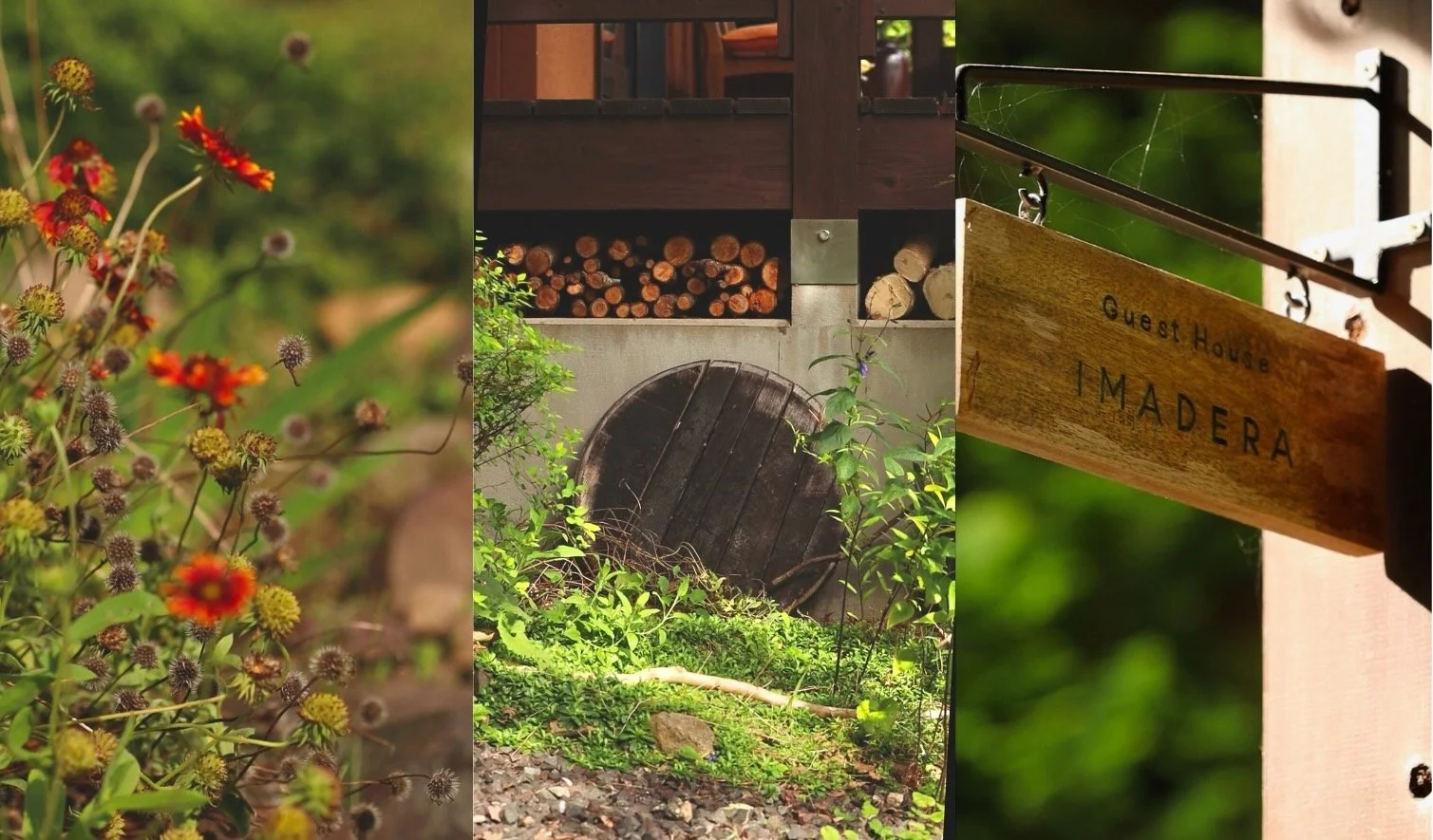
Views of the garden at Guest House Imadera
Located beside the atmospheric Kumano Shrine and at the entrance to the Mt. Aoba hiking trail, the house is surrounded by a spacious, flower-filled garden with views of the mountains beyond. The garden has also been featured in Takahama's annual Open Garden event, welcoming visitors to enjoy its seasonal beauty over the years.
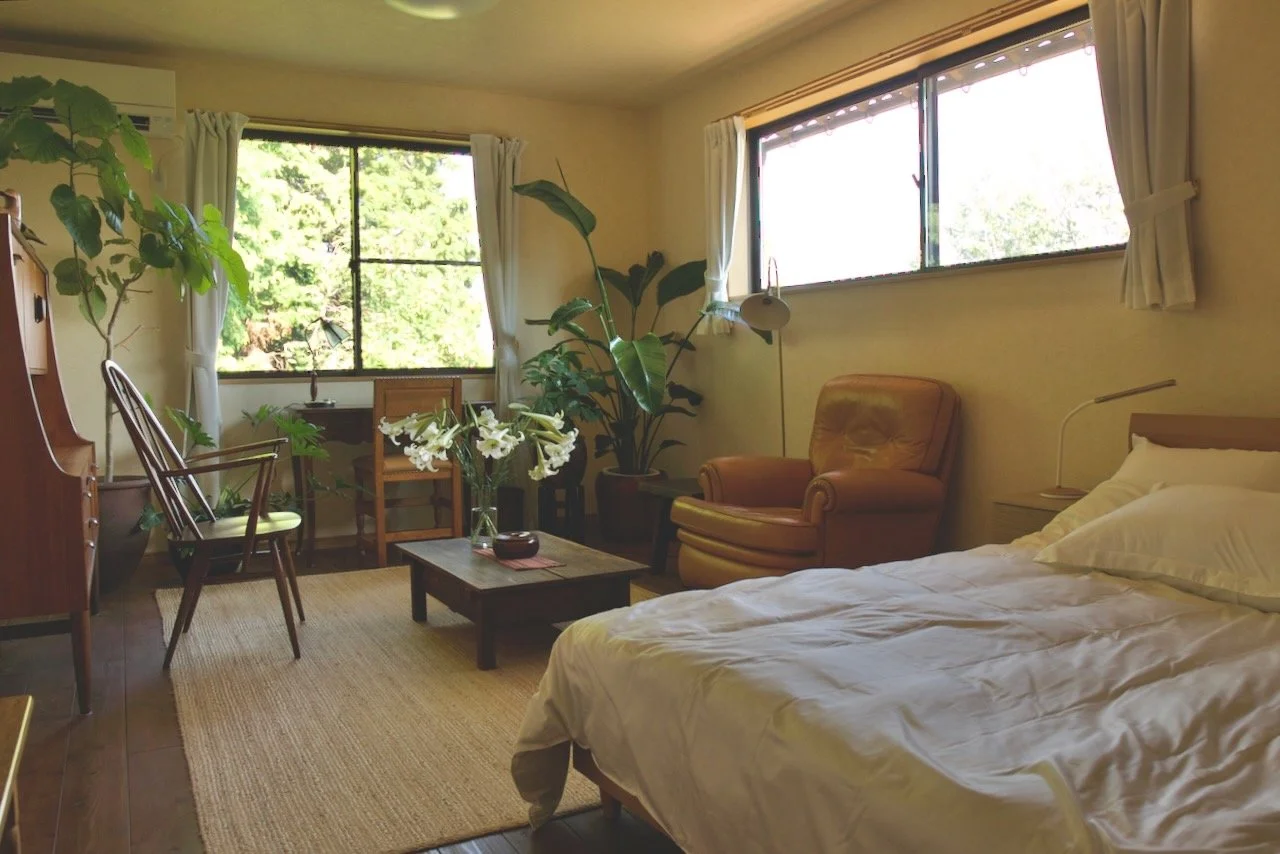
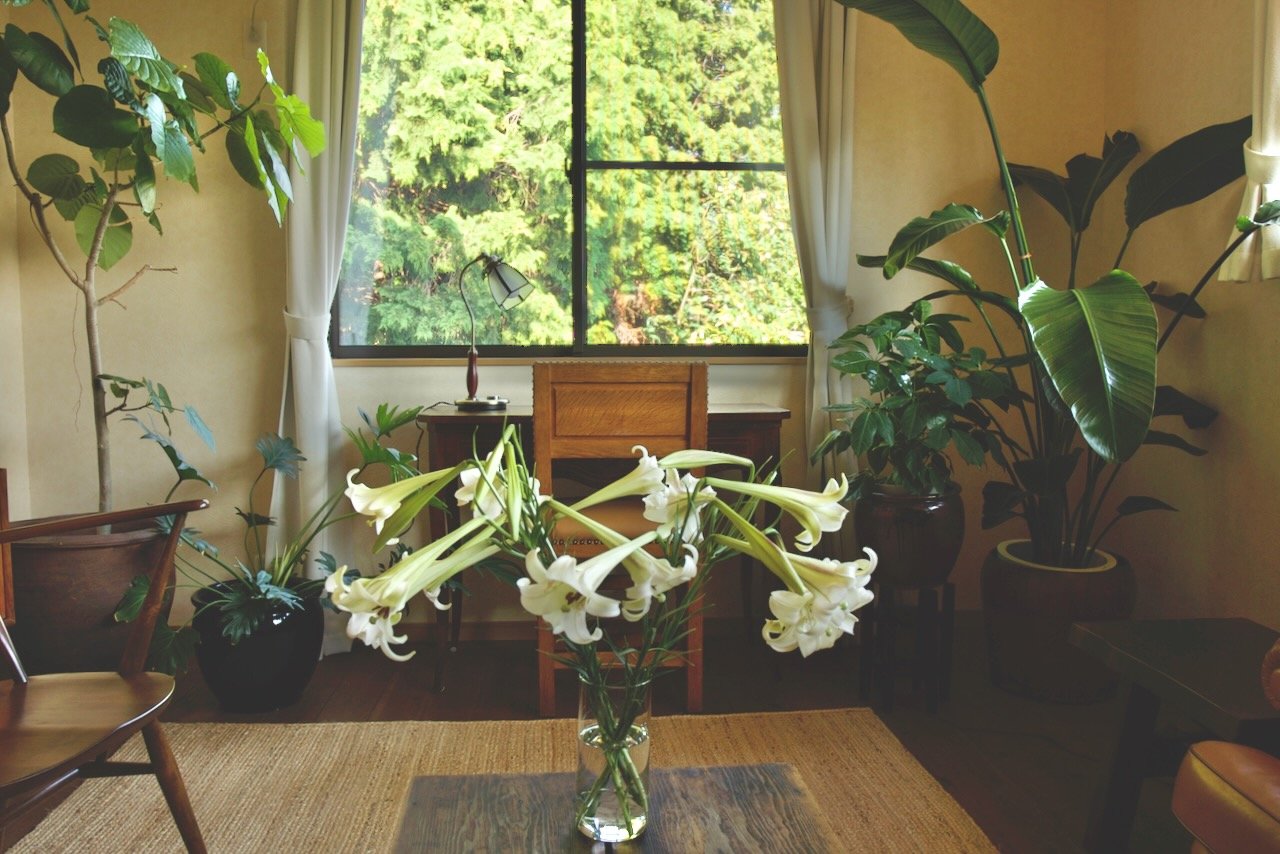
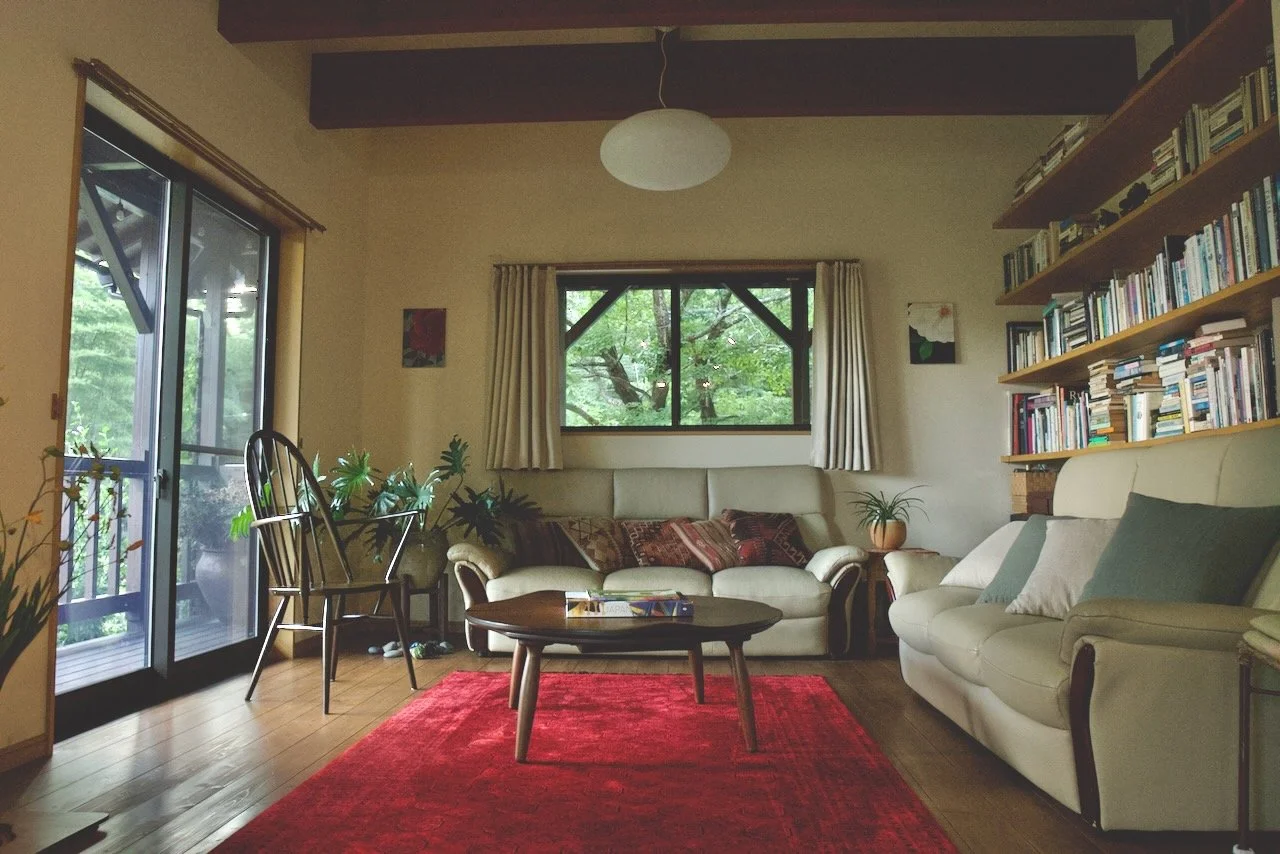
The guest room is located upstairs in Myong Hee Kim’s home, with large windows overlooking the garden. It includes two semi-double beds, a sitting area, a desk and a private half bathroom. Guests can also use the living room, dining room, kitchen, spacious veranda and downstairs.
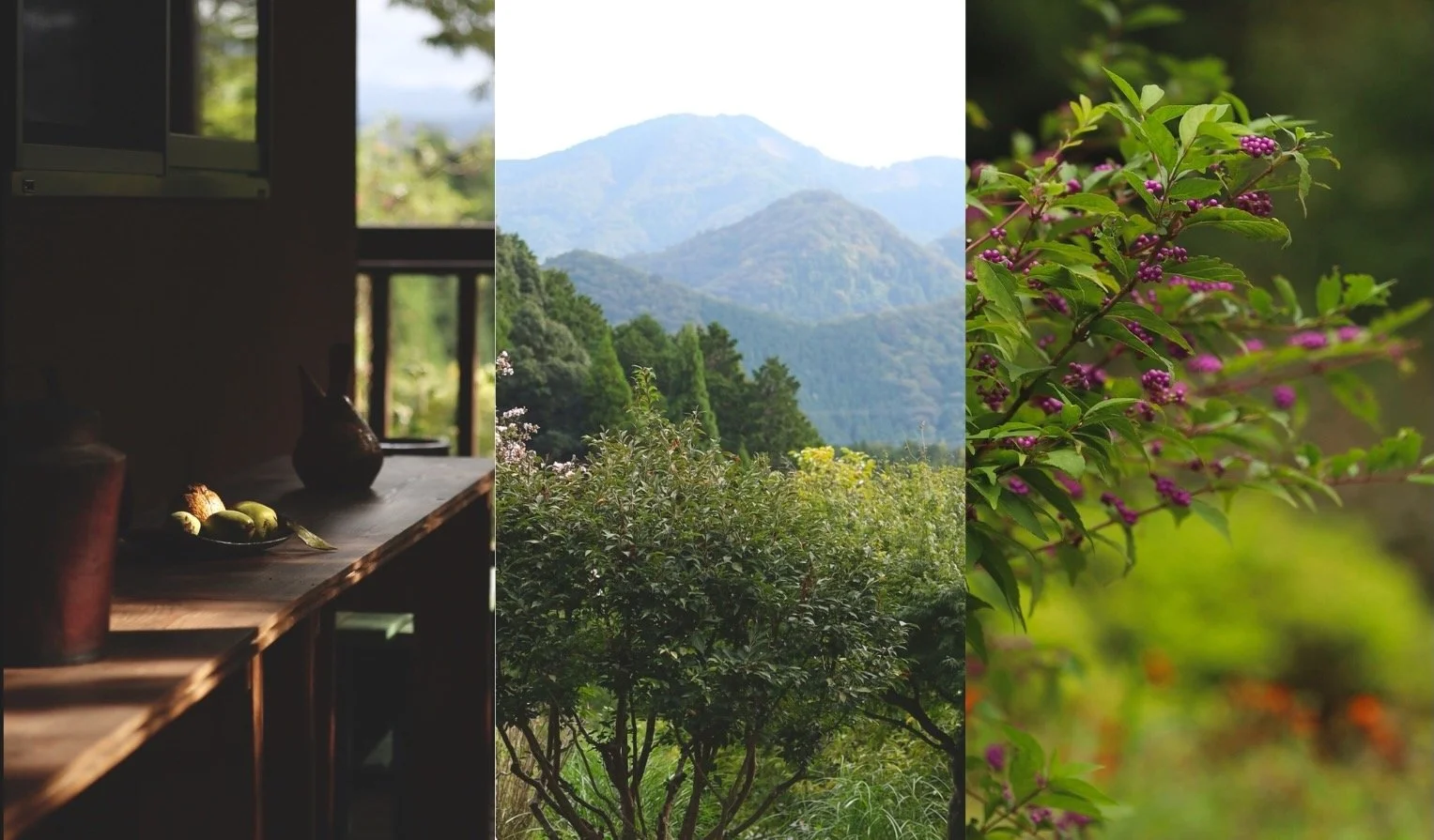
Because Kim lives at the property, staying at Guest House Imadera offers more than simply a place to sleep. Guests have an opportunity to experience the home and creative environment of the artist herself. Myong Hee Kim prepares breakfast each morning and is happy to offer advice and recommendations for exploring the surrounding area.
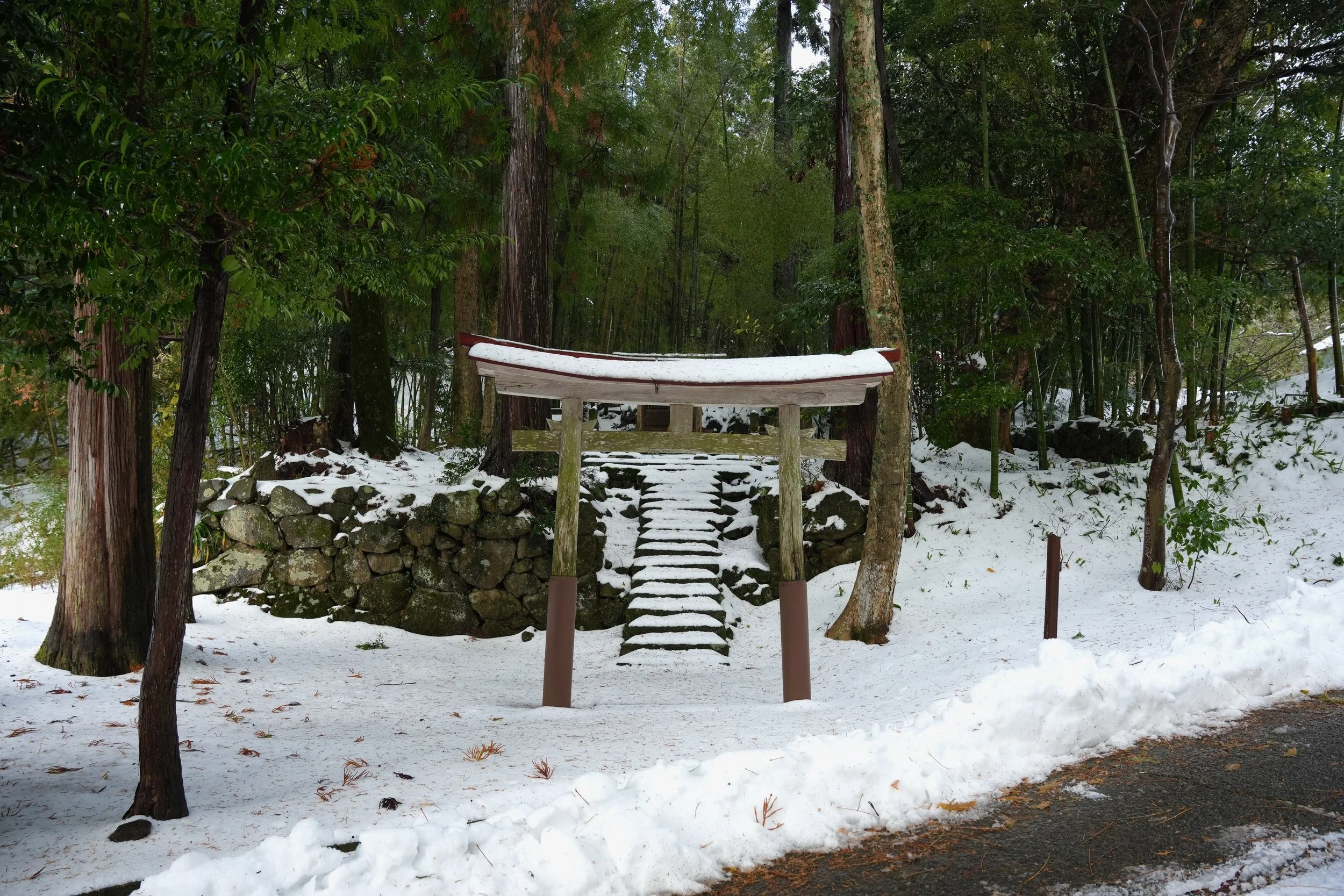
The Atmospheric Kumano Shrine
Explore the Mountains and Coast
Guest House Imadera is also well situated for exploring Takahama's natural surroundings.
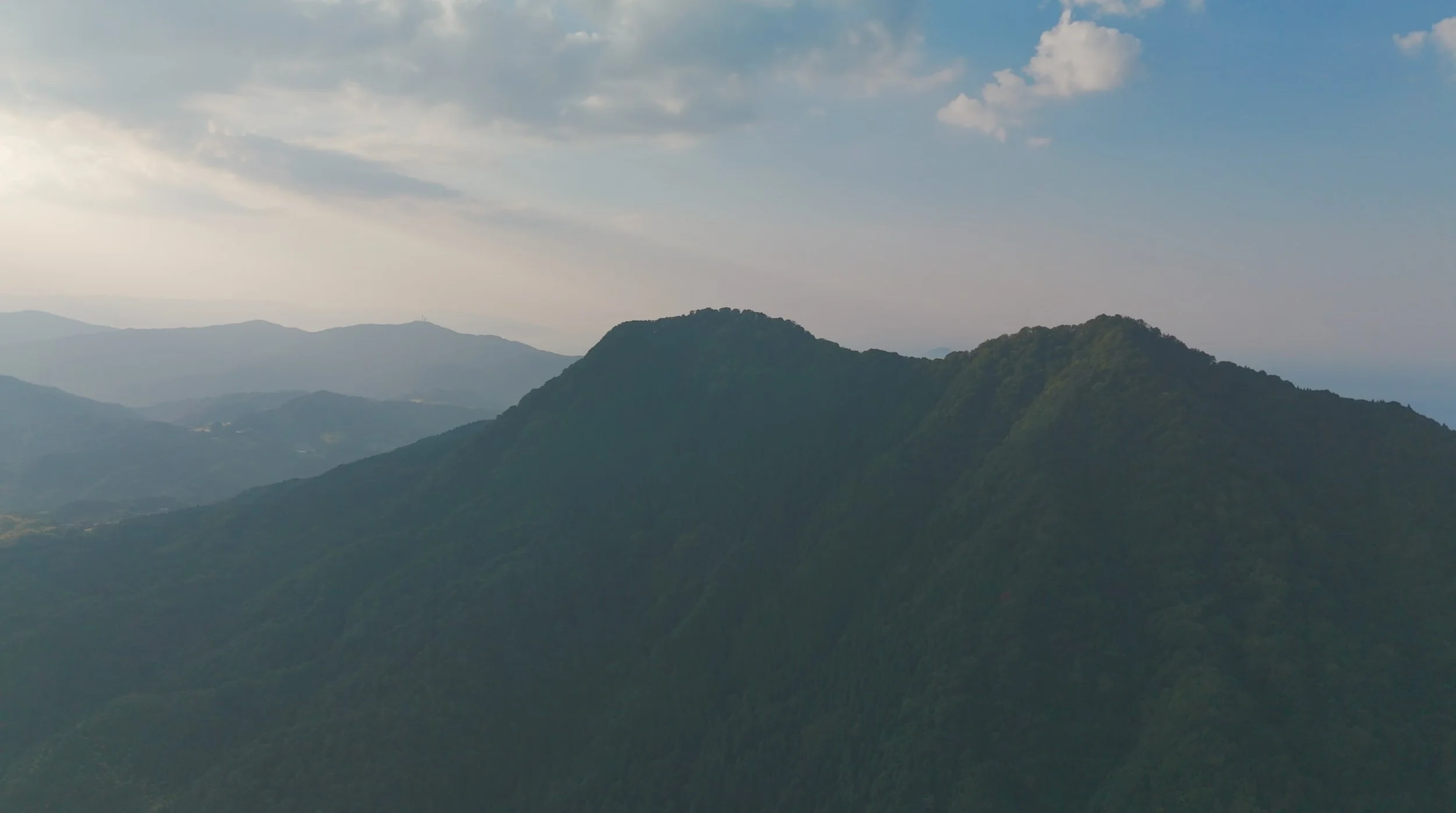
The Majestic Mt. Aoba
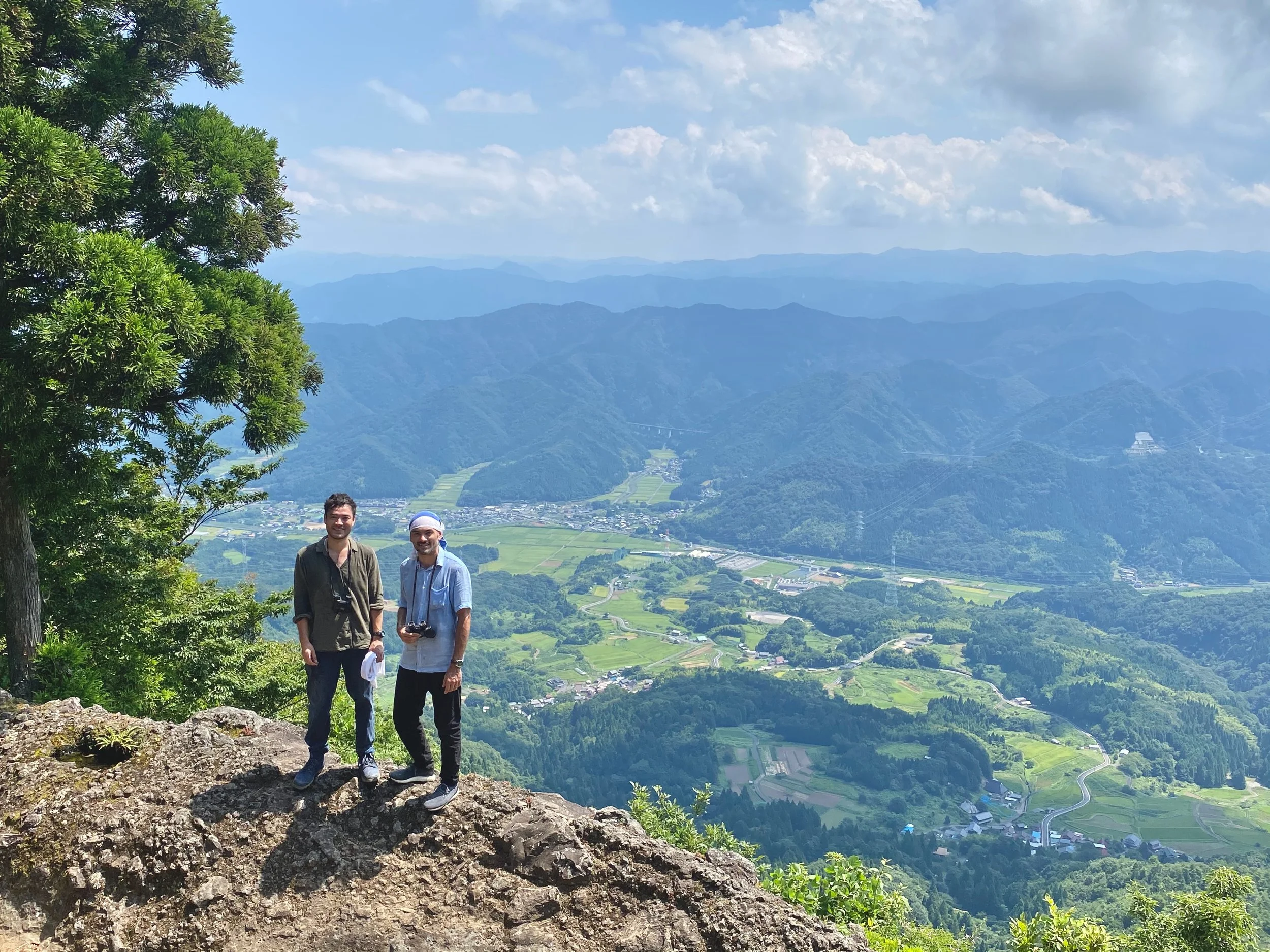
The hiking trail to Mt. Aoba begins near the house, with the summit taking approximately one to two hours depending on your pace. Matsuo-dera Temple, the 29th temple on the Nishitakano Kannon pilgrimage route, is also around a 20-minute walk away.
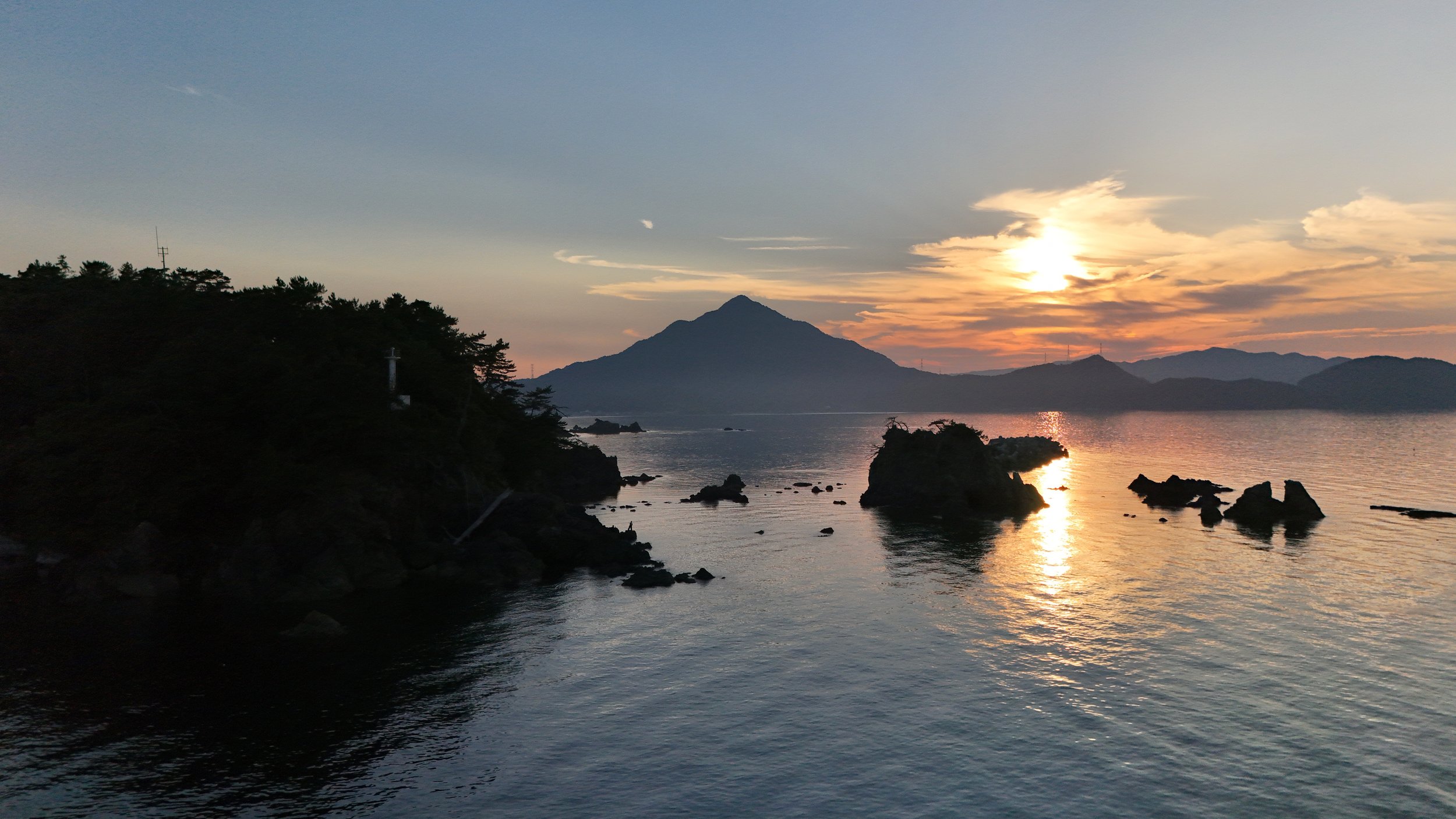
Further toward the coast, Takahama's clear waters offer opportunities for swimming, SUP, snorkeling, diving, kayaking and fishing. Cafés, shops and the center of Takahama are within easy reach by car, while Imadera itself retains the character of a small mountain village.
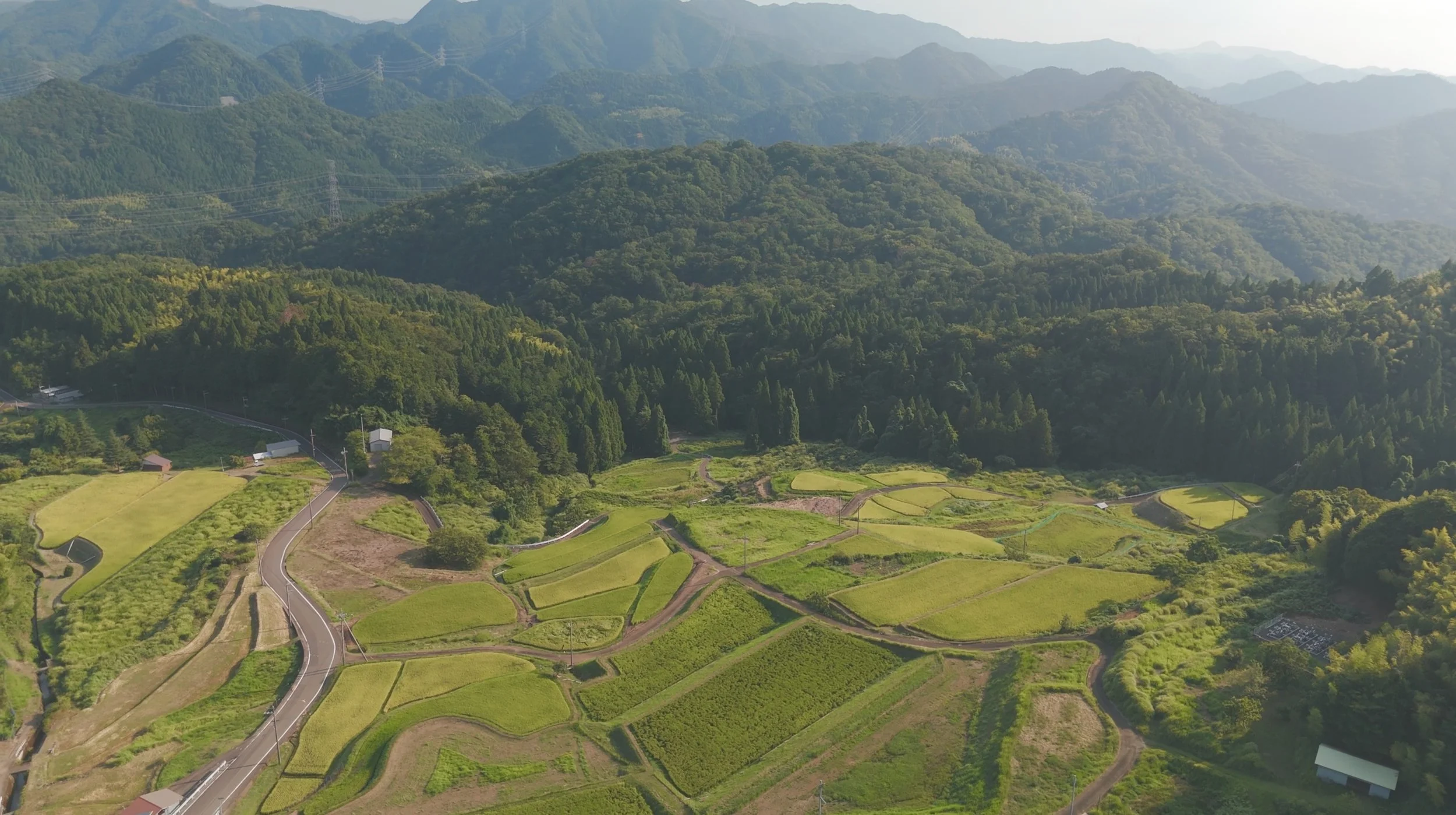
The Village of Takano
Peace Mask Experience Information
How to Book
To apply for the experience, please contact us at the email address below:
Offical Website
Experience Fee
Peace Mask Experience (completely private, one-on-one session with the artist): ¥30,000
Duration
Approximately 3 hours
Location
Guest House Imadera (Airbnb)
What the Experience Includes
The Peace Mask session is a relaxed, approximately three-hour meditative experience. The artist carefully creates a plaster cast of your face, which is then used to create your Peace Mask using the finest handmade Echizen washi, one of Fukui and Echizen's celebrated traditional crafts.
You will take home your own original Peace Mask, the plaster mold, and the skills needed to continue making masks yourself.
This is more than simply a craft experience. It is a personal retreat—a quiet opportunity to turn inward and reflect on yourself. It is also a rare opportunity to spend meaningful time with an artist who has dedicated her life to embodying the belief that “peace begins with each individual.”
Accommodation
For current accommodation rates and reservations, please check the link below
One night at Guest House Imadera, including breakfast and the peace mask experience: ¥50,000
Fukui Prefecture Regional Revitalization Team
Tsuruga & Wakasa Area Promotional Writer
Bryan Keith Eastlake
I also share updates and information on Instagram.
Please feel free to follow!
Instagram: @wakasabayexplorer