A Trip to the Jomon Period
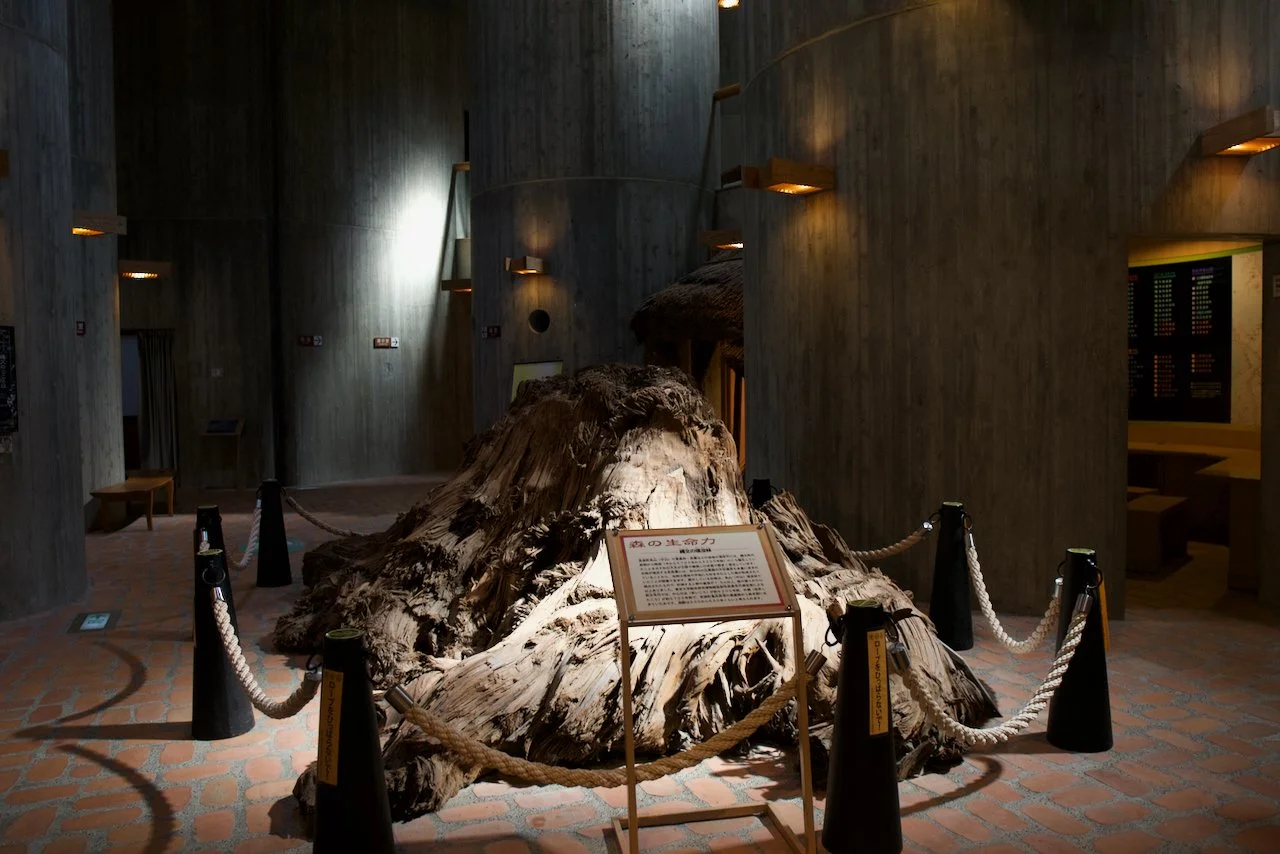
I have always been fascinated by the traces that people leave behind, especially when those traces can tell us something about how people lived thousands of years ago. So when I visited the Wakasa Mikata Jomon Museum (若狭三方縄文博物館) in Wakasa Town, I was curious to see what the area looked like long before the roads, towns and buildings we know today.

Located beside the Mikata Five Lakes, the museum focuses on the Jomon period and, in particular, the important discoveries from the nearby Torihama Shell Midden. Archaeological research at the site has uncovered a remarkable range of objects that give an insight into the daily lives, skills and environment of the people who lived here.
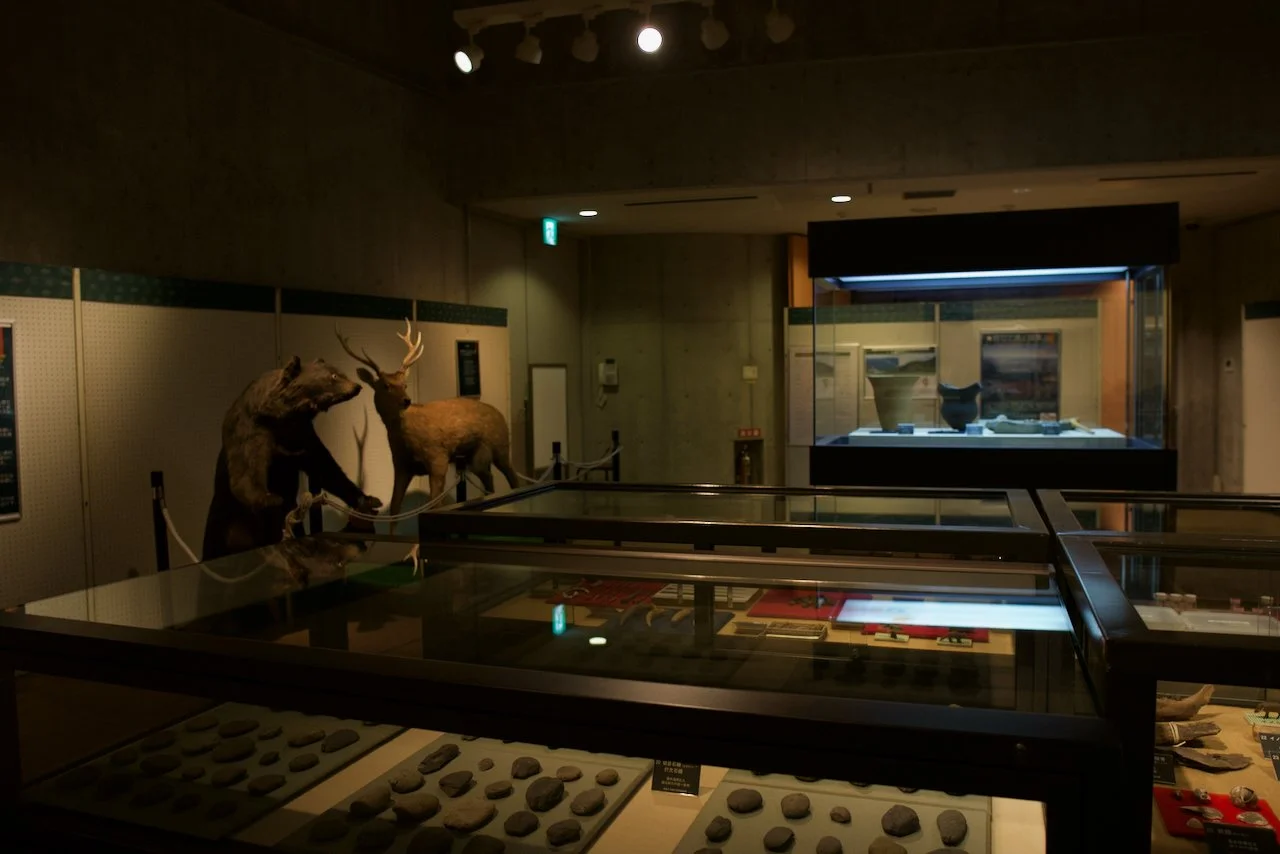
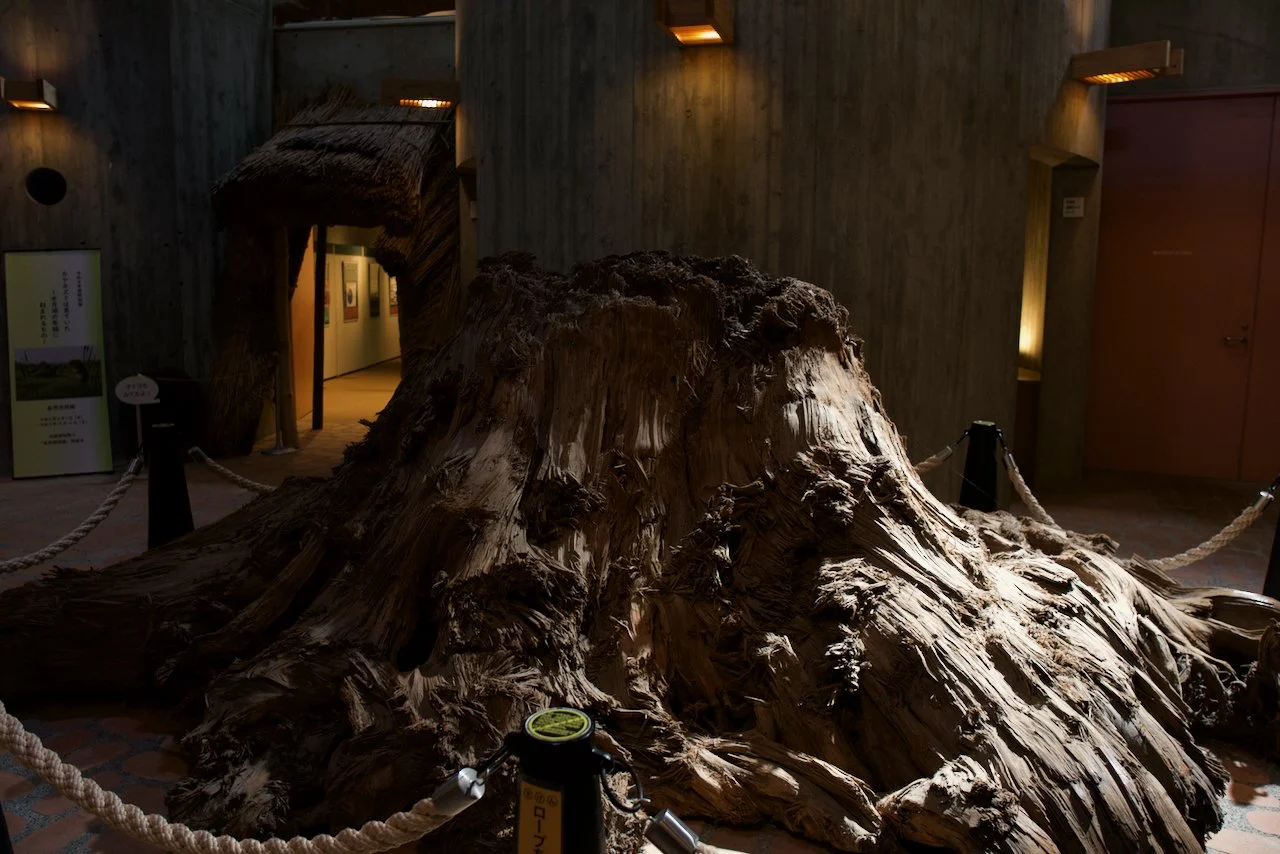
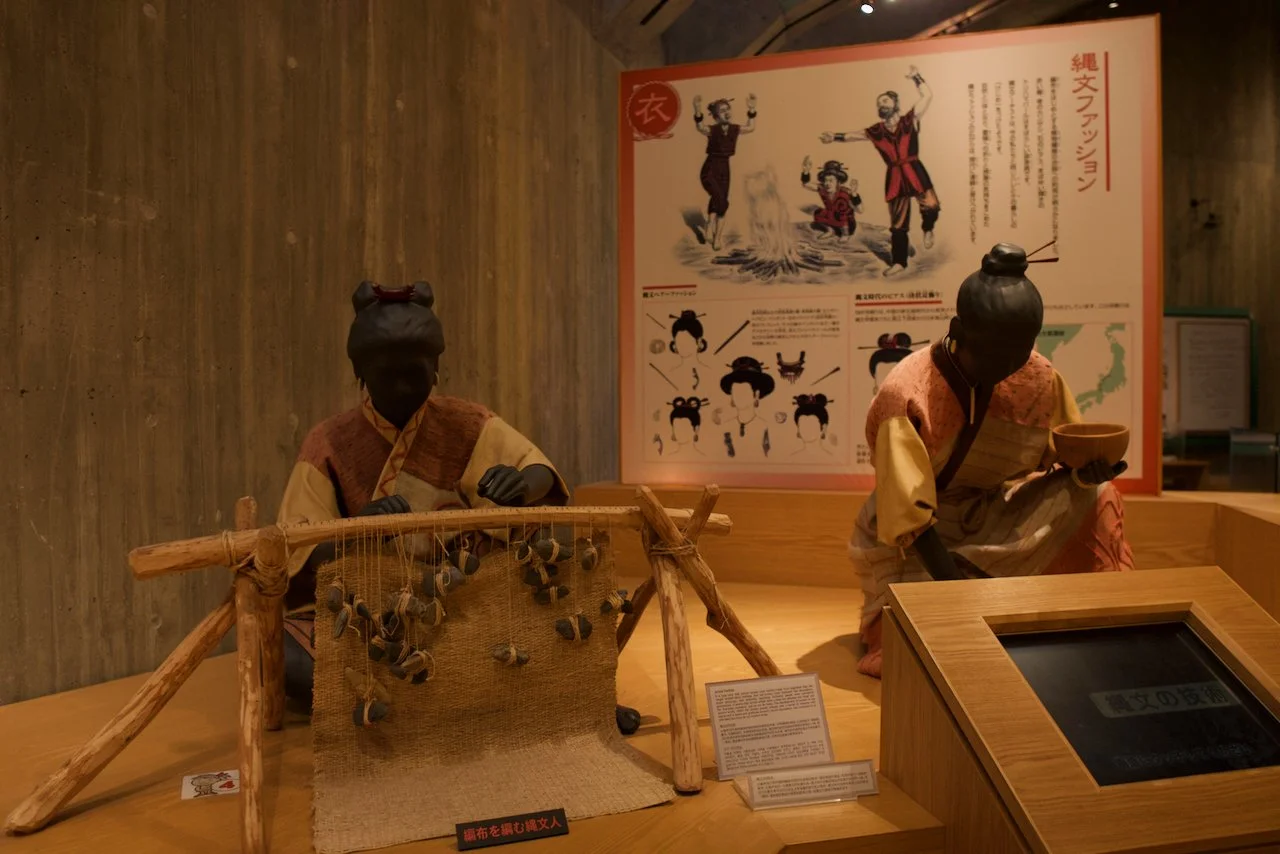
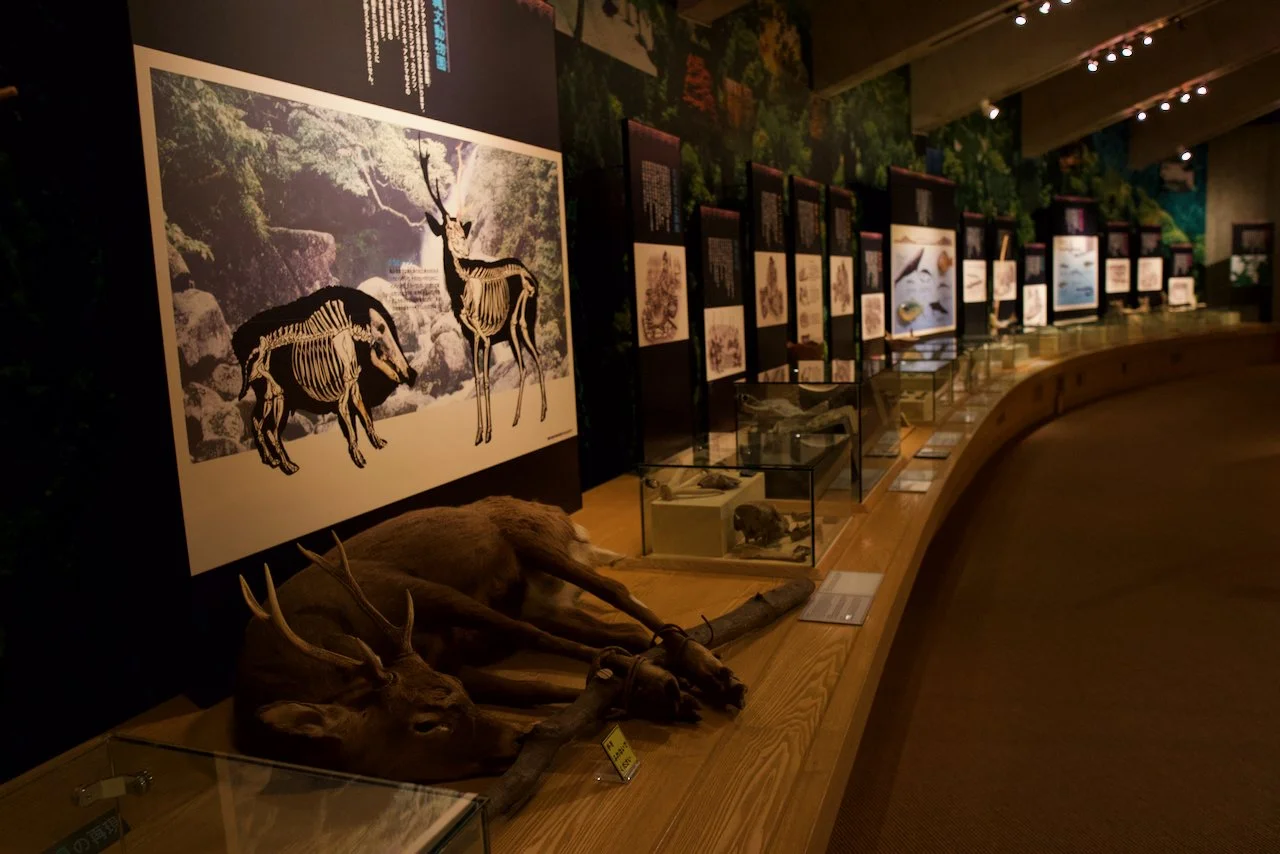
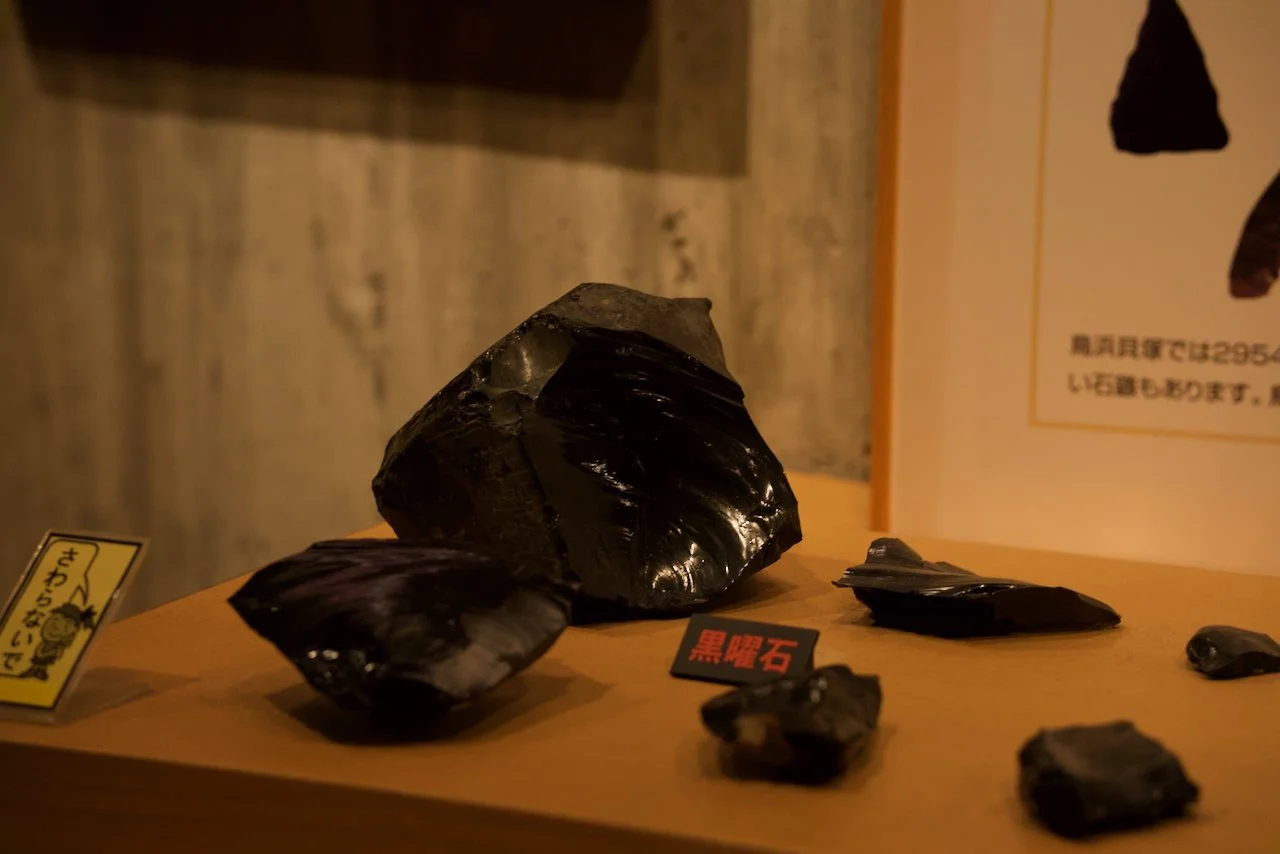
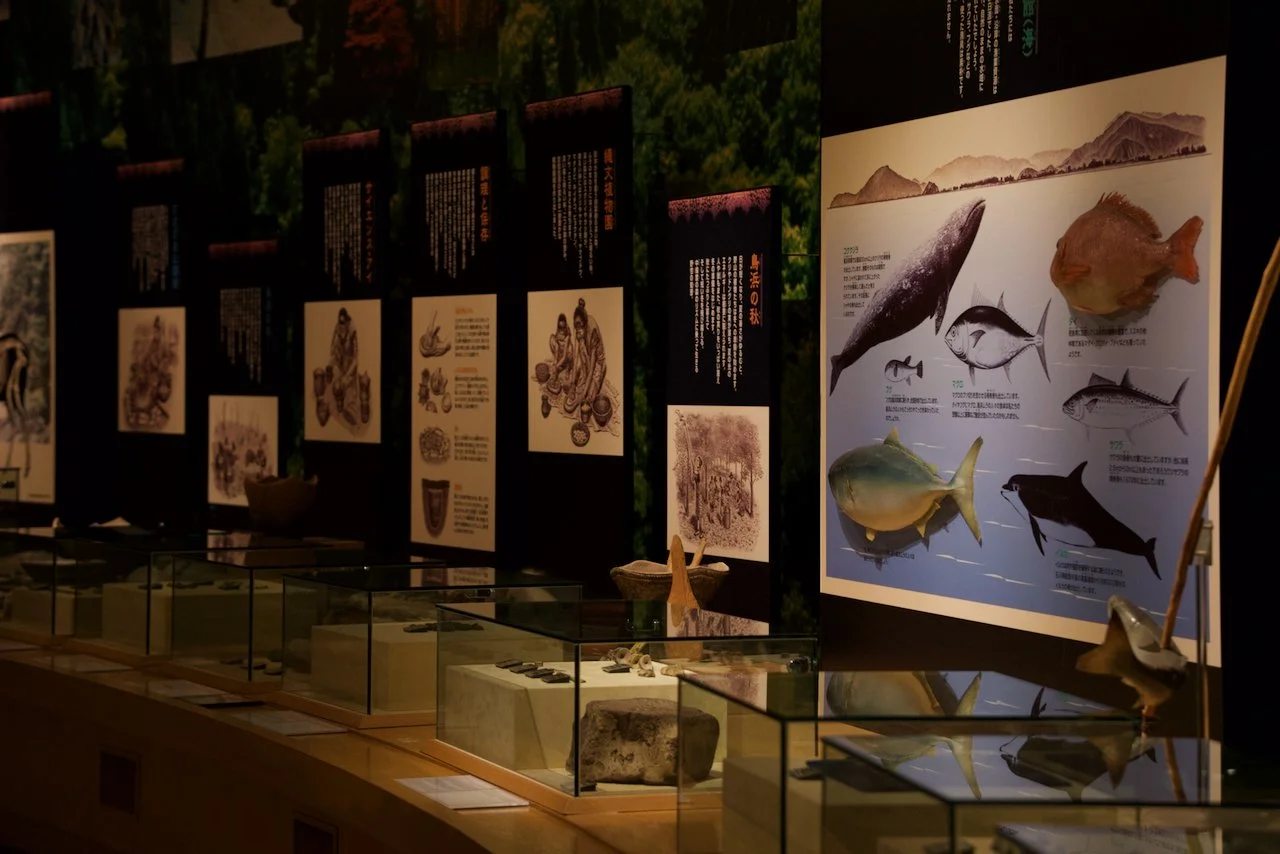
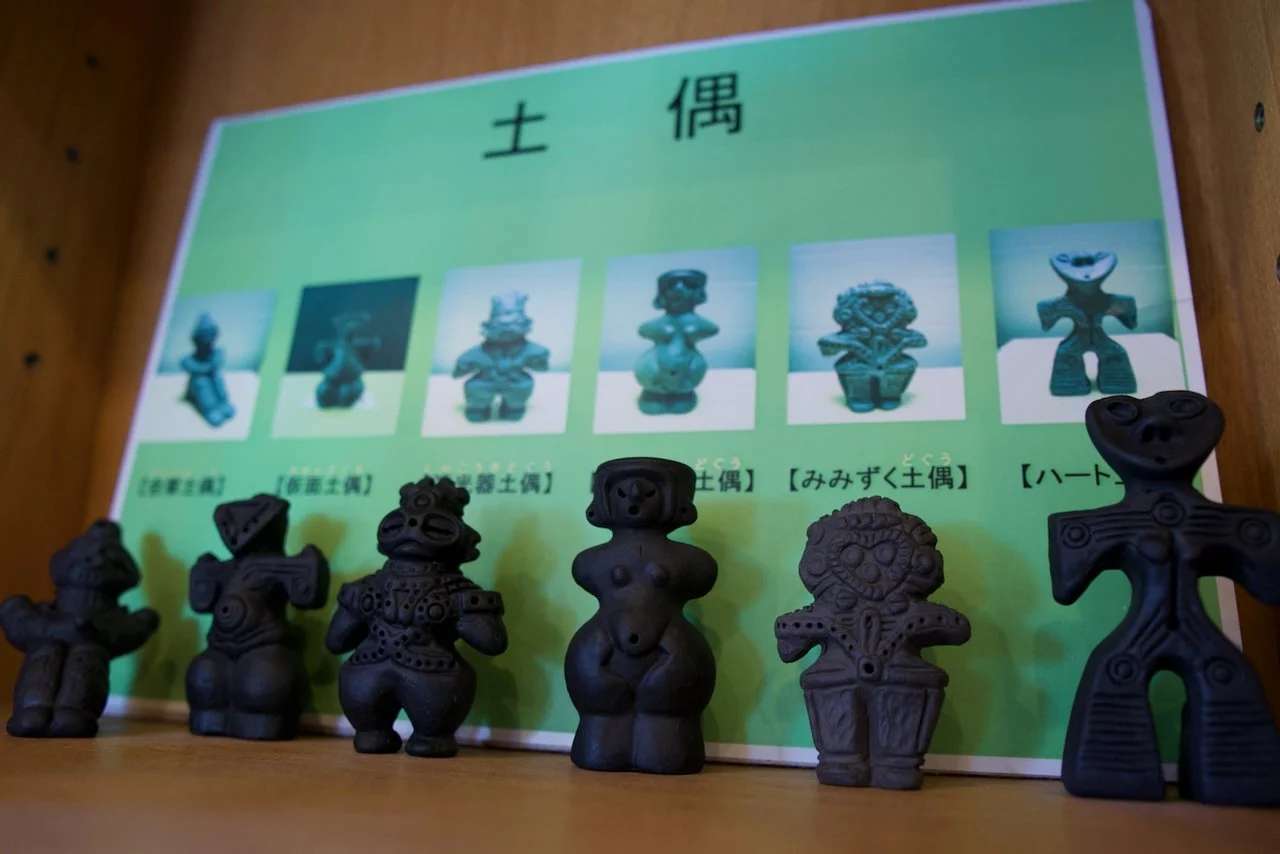
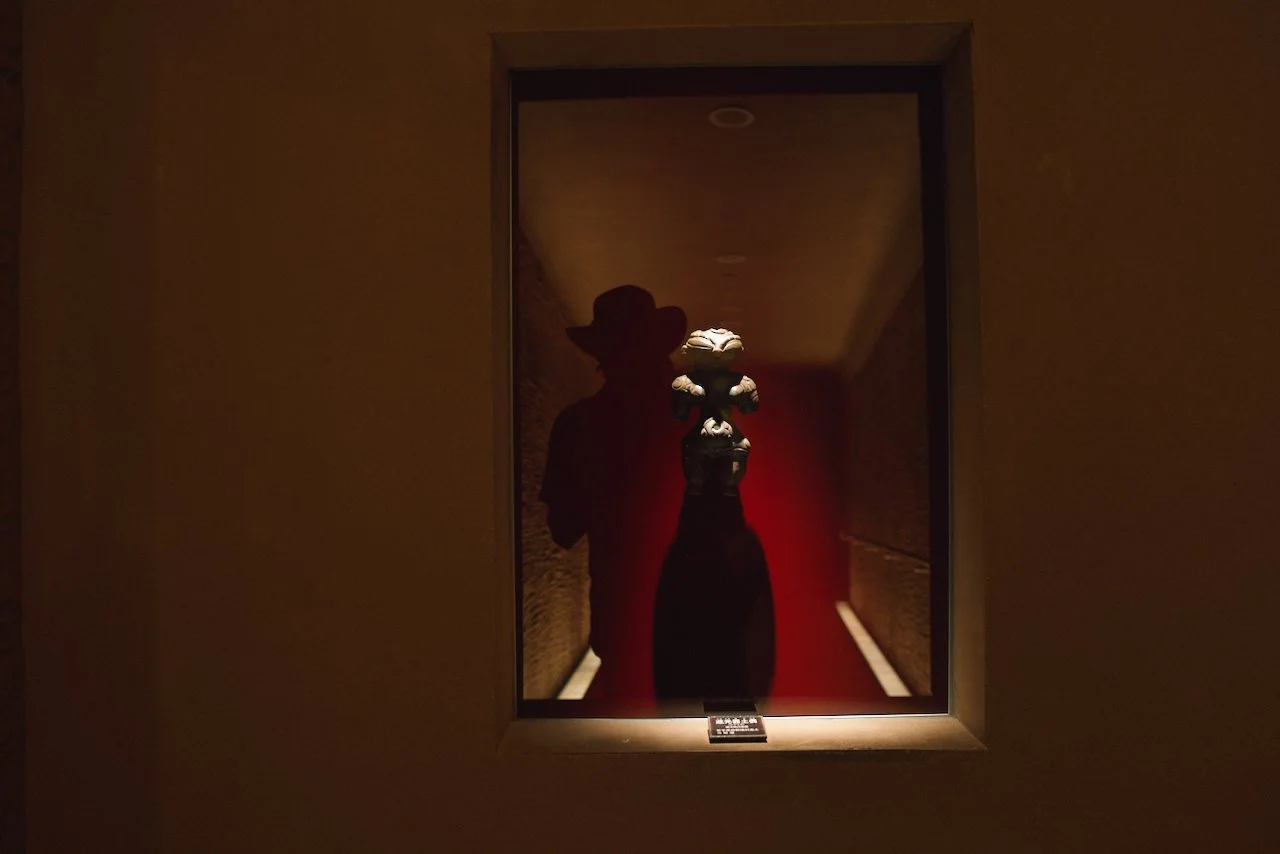
Walking through the museum, I found myself thinking less about the Jomon period as something distant and abstract and more about the people who actually lived here. There are pottery, stone tools, wooden objects, ornaments and other remains, as well as displays explaining how people used the surrounding forests, lakes and sea.
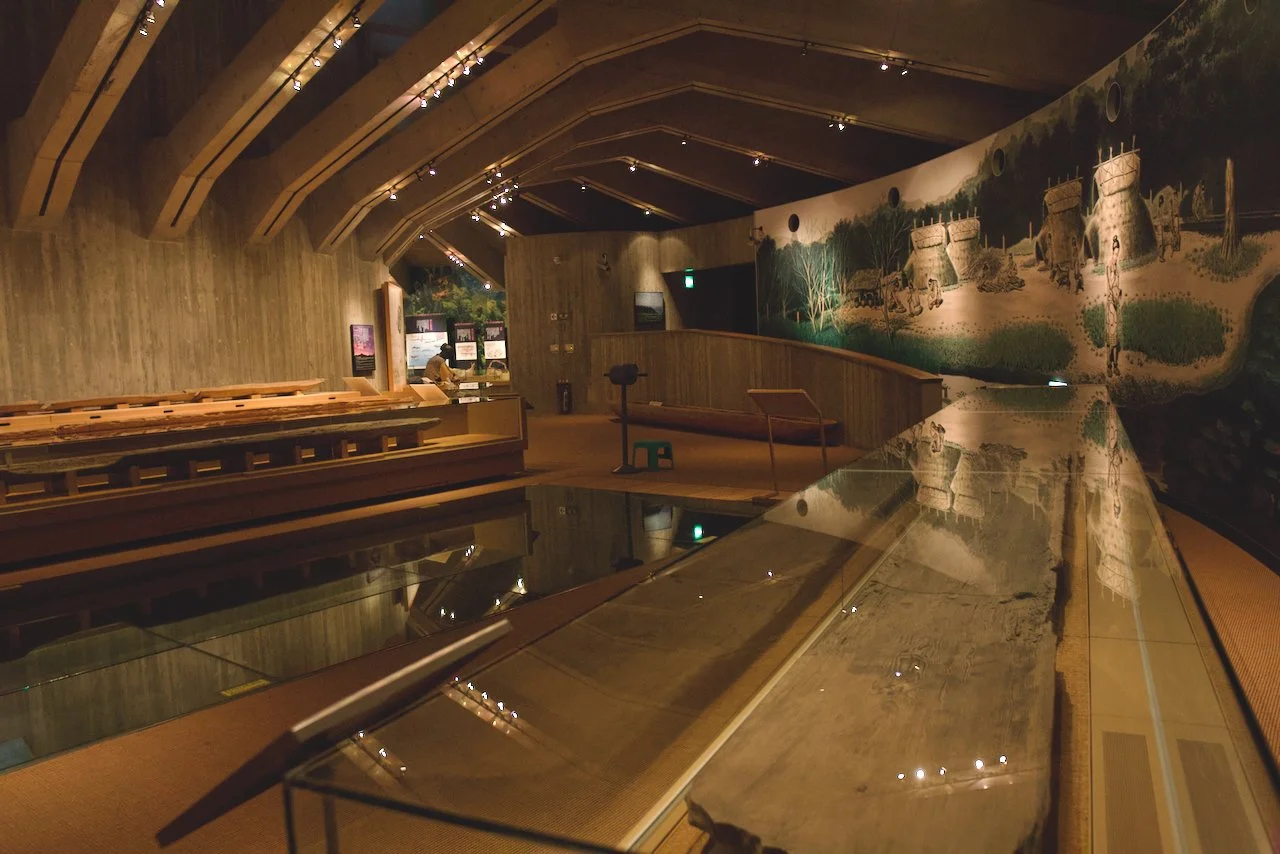
One of the most interesting exhibits for me was the dugout canoe. Seeing something designed and made by people thousands of years ago makes the past feel surprisingly tangible. It also gives a sense of how closely Jomon communities were connected to the water and natural environment around them.
The Wakasa Mikata Jomon Museum is located in Torihama, Wakasa Town, close to the Mikata Five Lakes. It is about five minutes by car from JR Mikata Station, while the station can also be reached by bicycle or on foot. By car, it is approximately five minutes from the Mikata-Goko Smart IC.
The museum is open from 9:00 to 17:00, with last admission at 16:30. Admission is currently ¥500 for adults and ¥200 for elementary, junior-high and high-school students. A combined ticket with the neighbouring Fukui Prefectural Varve Museum is also available.
If you have more time, it is worth visiting the Fukui Prefectural Varve Museum next door. Together, the two museums provide an interesting combination: one looks at the people who lived in this landscape thousands of years ago, while the other explores the environmental history preserved beneath one of Wakasa's lakes.
For me, the most enjoyable part of visiting the Jomon Museum was simply being reminded that Wakasa has been a place where people have lived, worked and interacted with nature for thousands of years. It makes exploring the lakes and surrounding countryside afterwards feel slightly different. You are not just looking at a beautiful landscape—you are looking at a landscape with a very long human history.