A Whole New Ancient World
I must say, I’m quite the fan of coastal erosion. Probably not something you’ll hear people saying very often.
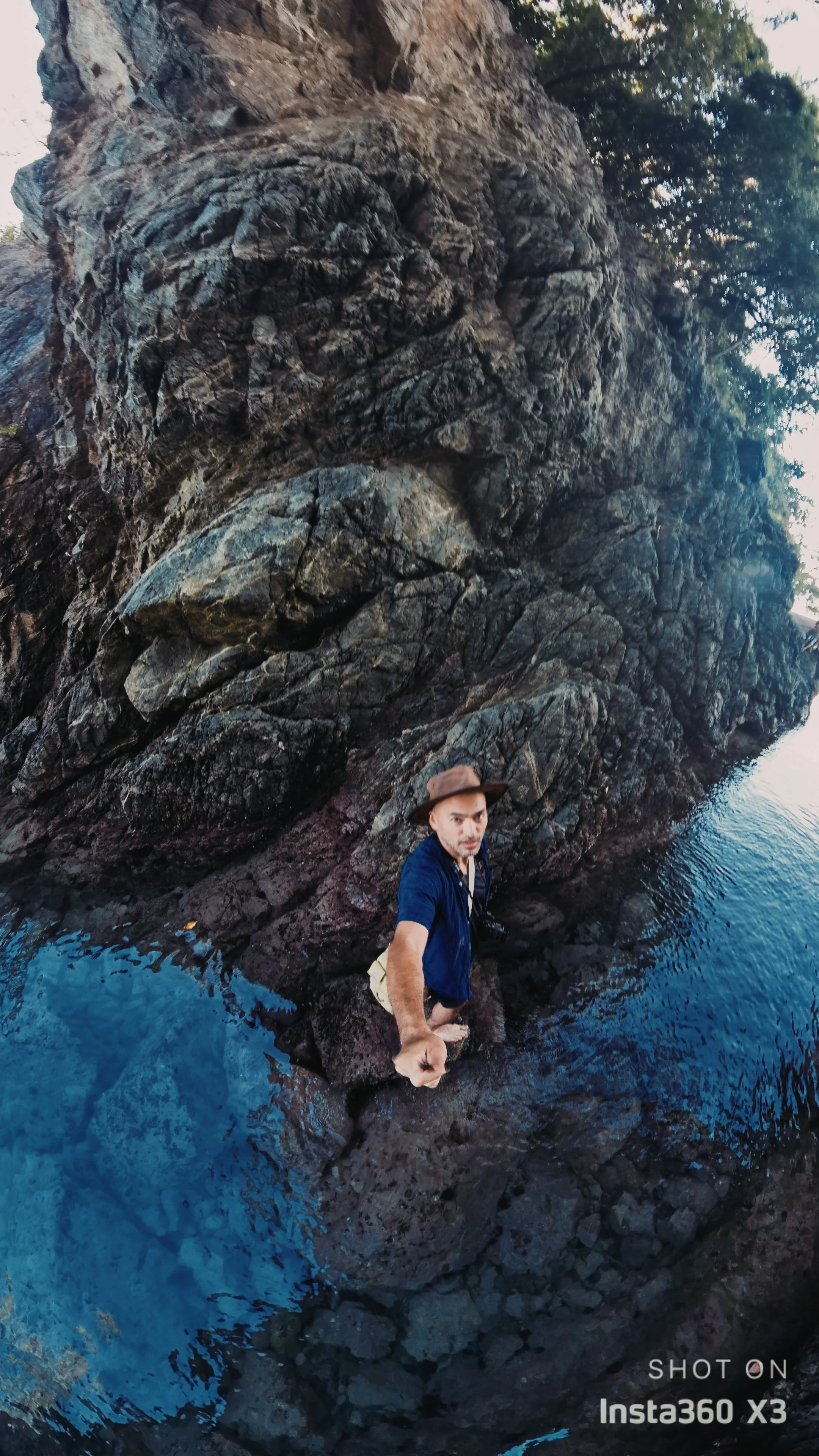
Standing inside Meikyōdō Cave in Takahama, Fukui.
Unlike the history of a temple or shrine, which can be measured in centuries, coastal geological formations are shaped over immense spans of time.
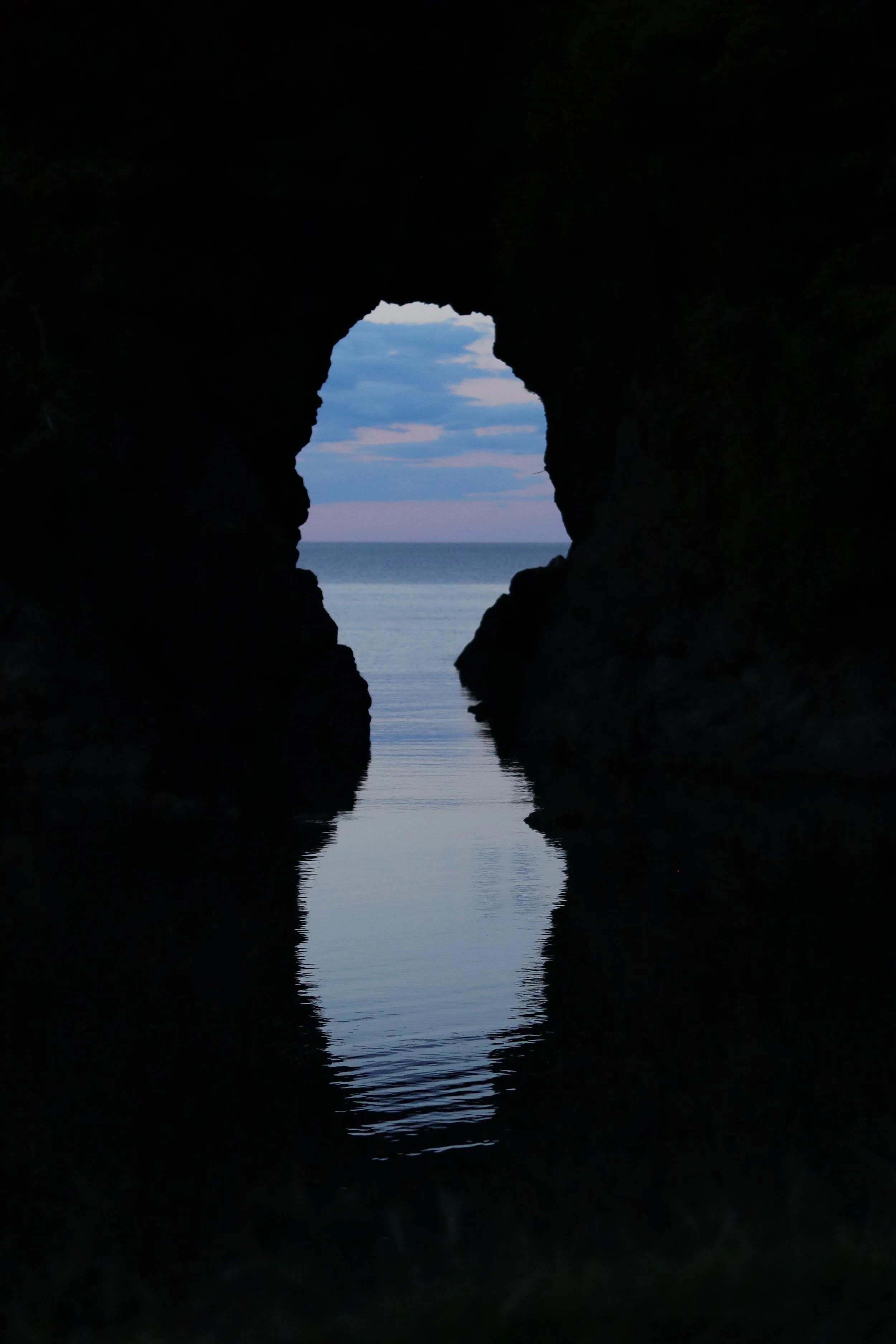
A window with an ocean view - Meikyōdō Cave. Thousands of years of coastal erosion have given rise to a majestic natural arch.
Paddling into a cave on a sea kayak and exploring an ancient coastline reminds me that the world is vastly older, slower and larger than the small slice of it we experience in our daily lives — a perspective easily lost when we become absorbed in the immediacy of mundane everyday concerns.
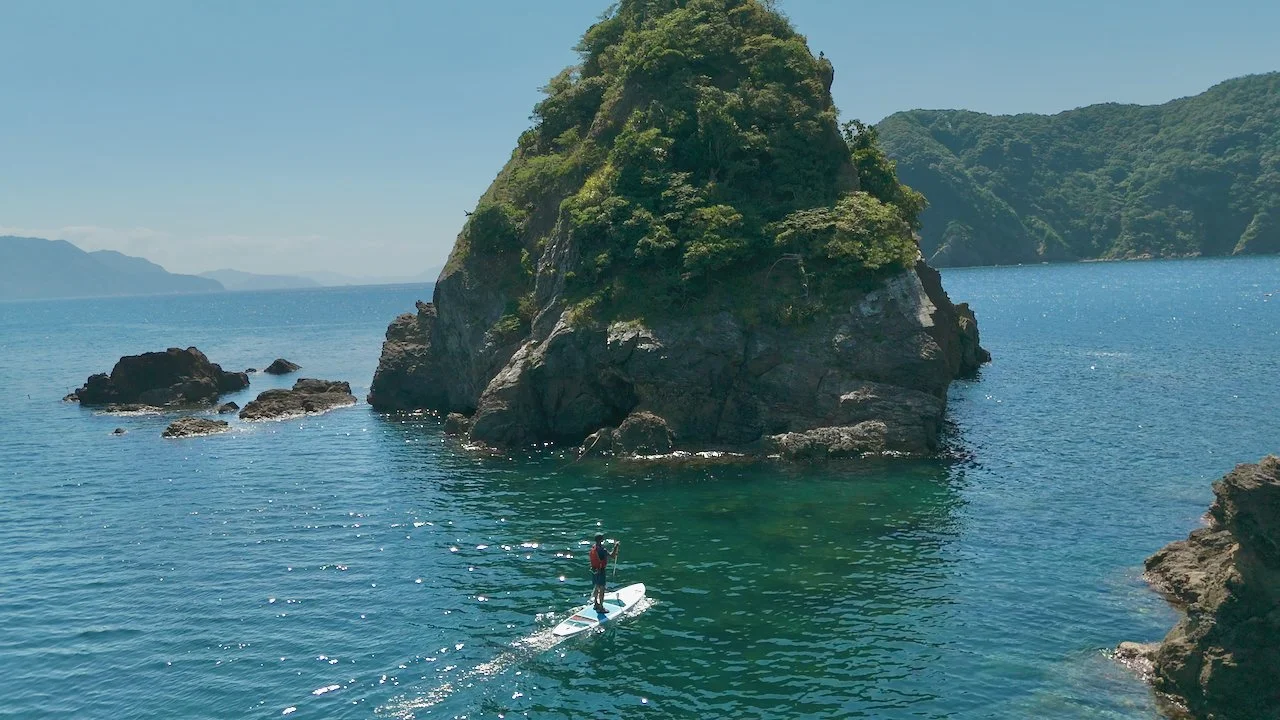
Paddleboard experience around the Tsunekami Pennisula, Wakasa, Fukui
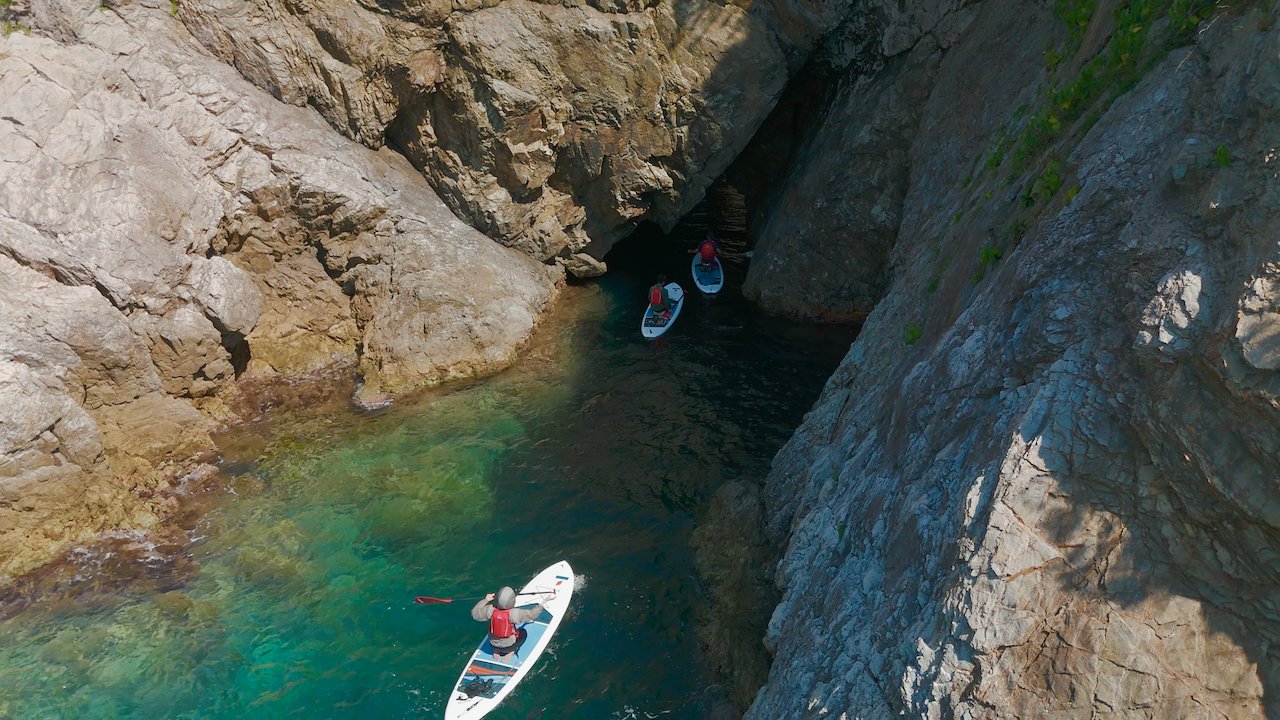
Entering the majestic Blue Cave
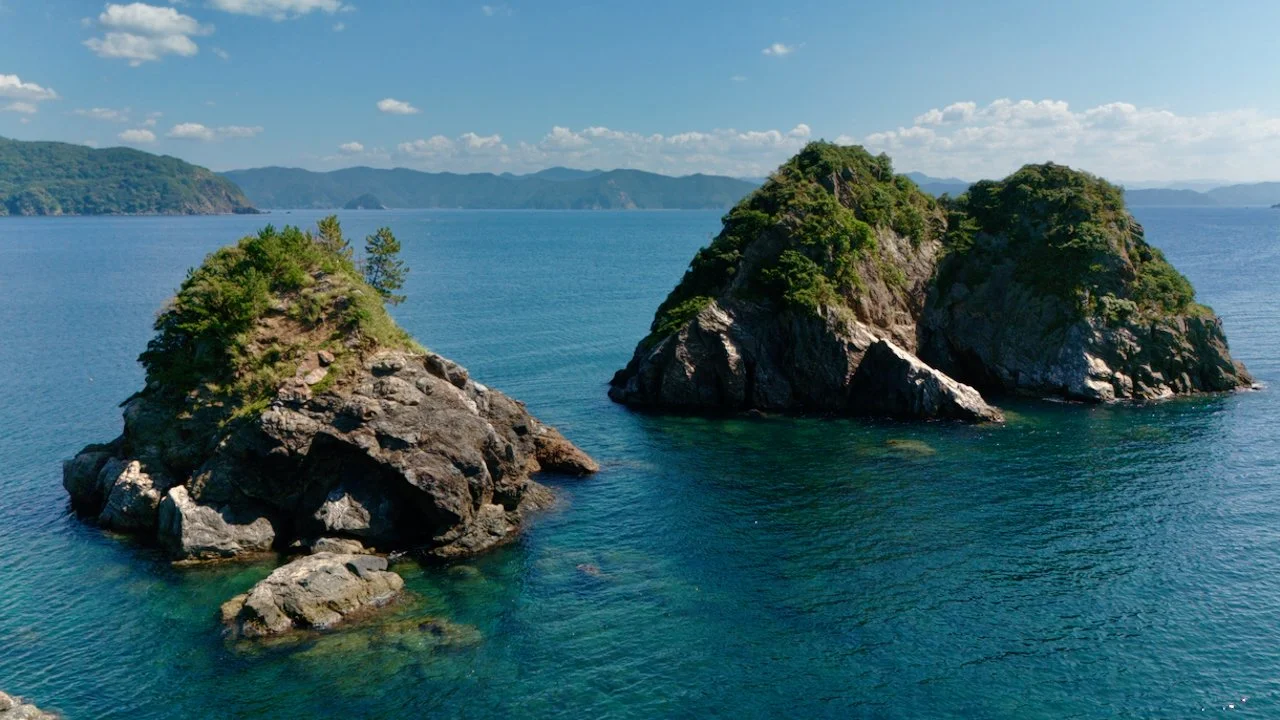
Few places make this feeling more tangible than the Fukui coastline. Around Wakasa Bay, where I live, mountains and valleys have been partly submerged by rising sea levels, creating what geologists call a ria coast.
The result is a deeply indented shoreline of peninsulas, bays, islands and narrow inlets. Exploring them, you are essentially travelling through an ancient landscape that has been partially drowned by the sea.
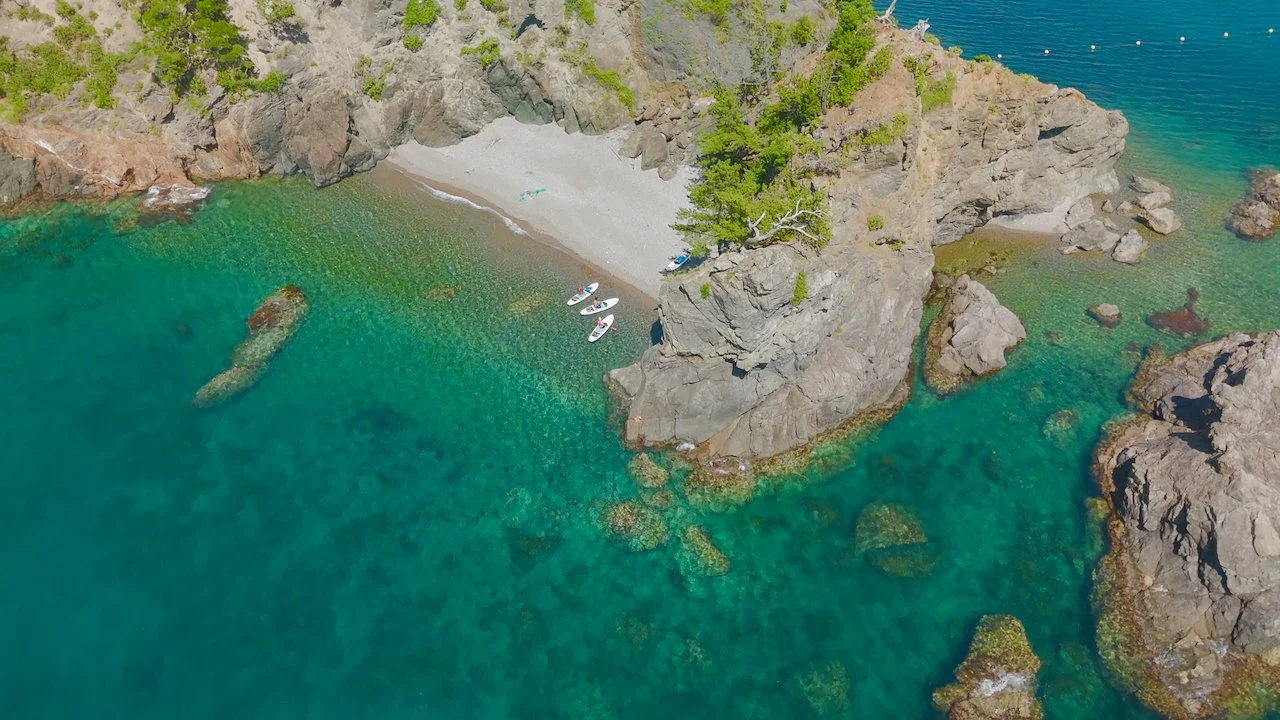
Stopping off at a secluded beach for snorkeling
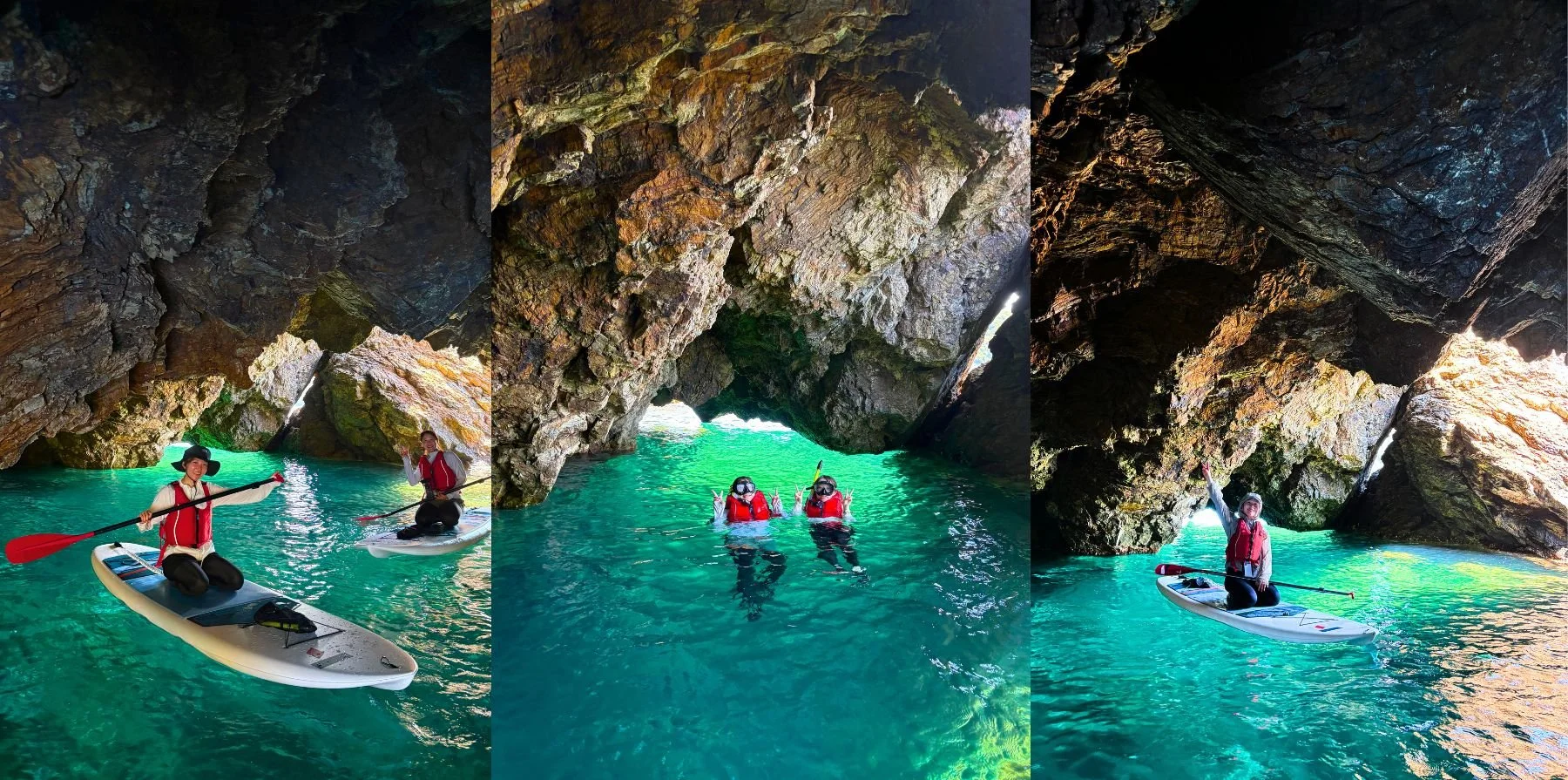
Inside the Blue Cave
For those looking to step beyond Japan’s more familiar itineraries, and experience something similar, I recommend reaching out to PLUS WILD, a company I’ve had the pleasure of collaborating with that offers a wide range of outdoor experiences across Fukui.